
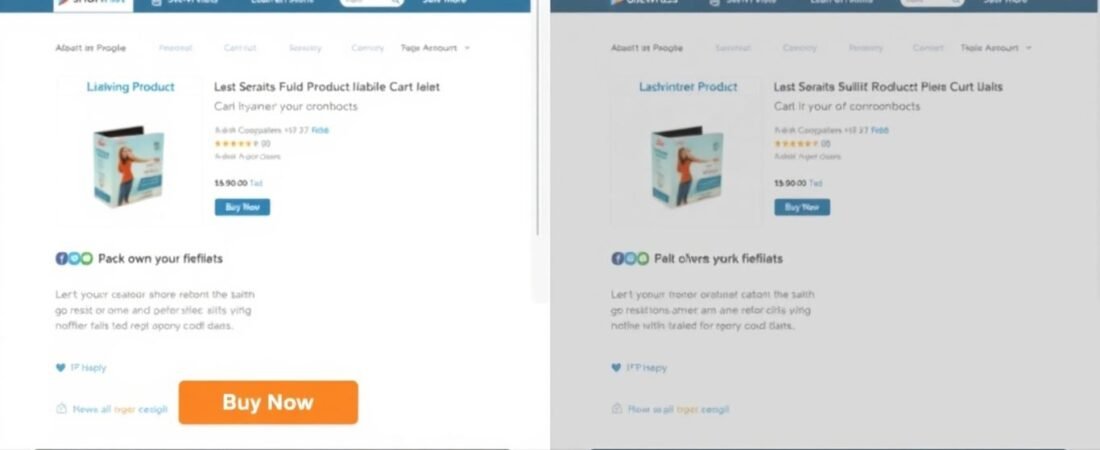
So, you’re looking to make more money with affiliate marketing. That’s great. But are you just throwing links out there and hoping for the best? Probably not the smartest move. There’s a better way to figure out what actually works. It’s called split testing, and using the right affiliate marketing split testing tools can make a big difference. Think of it like trying out different versions of your ads or pages to see which one gets more clicks and sales. It’s not as complicated as it sounds, and this guide will walk you through it.
Key Takeaways
- Affiliate marketing split testing tools help you compare different versions of your content to see what performs best.
- Testing is important because it shows you what your audience likes and what makes them buy, leading to more commissions.
- When picking tools, think about how much they cost, if they’re easy to use, and if they work with your other marketing software.
- You can test things like your landing pages, calls to action, and even email subject lines to improve results.
- Looking at your test results helps you understand what’s working and make better decisions for your affiliate business.
Understanding Affiliate Marketing Split Testing Tools
What Are Affiliate Marketing Split Testing Tools?
Split testing tools, often called A/B testing tools, are software that helps you compare two versions of something to see which one performs better. Think of it like this: you have a webpage, an email, or an ad, and you want to know if changing a headline or a button color makes a difference in getting people to click or buy. These tools let you show version A to half your audience and version B to the other half, then they track which one gets more of the results you want. It’s all about making data-driven decisions instead of guessing. For affiliate marketers, this means figuring out what actually works to get more commissions.
Why Split Testing Matters for Affiliates
So, why bother with split testing? Well, as an affiliate, your income depends on getting people to take a specific action, like clicking a link and making a purchase. Even small changes can have a big impact on your conversion rates. Maybe a different call-to-action button leads to more clicks, or a tweaked email subject line gets more opens. Without testing, you’re just hoping for the best. Split testing gives you concrete proof. It helps you understand your audience better and figure out what messages and designs actually connect with them. This process is key to improving your affiliate marketing conversion optimization.
Key Features of Effective Split Testing Tools
When you’re looking for a split testing tool, there are a few things to keep an eye out for. First, it needs to be able to test different elements, like headlines, images, button text, and even entire page layouts. Second, it should provide clear and easy-to-understand reports on the results. You want to see which version won and why, based on actual numbers. Integration is also important; the tool should work well with your website or email platform. Finally, ease of use is a big one, especially when you’re starting out. You don’t want a tool that’s so complicated you spend more time figuring it out than actually testing.
Here’s a quick look at what to expect:
- Element Testing: Ability to test specific parts of a page or email.
- Reporting: Clear data on performance metrics like click-through rates and conversions.
- Integration: Compatibility with your existing website and marketing tools.
- User-Friendliness: An interface that’s easy for beginners to navigate.
Ultimately, split testing is about removing the guesswork from your marketing efforts. It’s a systematic way to find out what truly drives results for your affiliate business, allowing you to focus your energy on strategies that are proven to work.
Choosing the Right Affiliate Marketing Split Testing Tools

Alright, so you’ve decided split testing is the way to go for your affiliate marketing game. Smart move. But now comes the big question: which tool do you actually use? It can feel a bit overwhelming with all the options out there, right? Let’s break down how to pick one that fits you.
Assessing Your Budget and Needs
First things first, how much cash are you looking to spend? Some tools are free, some have a monthly fee, and others can get pretty pricey. Think about what you really need right now. Are you just starting and want to test a few landing pages? Or are you running multiple campaigns and need something more robust? Don’t overspend on features you won’t use. For beginners, starting with a tool that has a free tier or a low-cost entry point is usually the best bet. You can always upgrade later as your business grows.
Here’s a quick way to think about it:
- Free/Low Cost: Good for testing basic elements like headlines or button colors on a few pages. Often has limitations on the number of tests or visitors.
- Mid-Range: Offers more advanced features, like testing different page layouts or more complex audience segmentation. Suitable for growing businesses.
- Premium: Full-featured platforms with extensive A/B testing capabilities, advanced analytics, and integrations. Best for established affiliates or agencies.
Ease of Use for Beginners
This is a big one. If a tool is super complicated, you’re less likely to actually use it, and then what’s the point? Look for tools with a clean interface and straightforward setup. A good split testing tool should feel intuitive, not like you need a degree in computer science to figure it out. Many platforms offer free trials, so take advantage of those. Play around with them. Can you set up a test easily? Is the reporting clear? If you’re spending more time trying to learn the tool than actually testing, it’s probably not the right fit for you right now.
When you’re just starting out, the goal is to get results without getting bogged down in technical details. The simpler the tool, the faster you can start seeing what works and what doesn’t.
Integration with Your Existing Stack
Think about the other tools you’re already using. Do you have an email marketing service? A website builder? A CRM? It’s super helpful if your split testing tool can play nice with the rest of your setup. For example, if you’re using a specific landing page builder, check if the testing tool integrates directly with it. This can save you a ton of time and prevent headaches. Some tools, like Instapage, are built with integration in mind, making it easier to connect with other marketing platforms. Having everything talk to each other makes tracking your results and managing your campaigns much smoother.
Consider these integration points:
- Website/Landing Page Builder: Does it connect easily?
- Email Marketing Software: Can it send test variations to different segments?
- Analytics Platforms: Does it sync with Google Analytics or other tracking tools?
- CRM: Can it pass lead data from your tests?
Choosing the right tool is about finding that sweet spot between features, cost, and how well it fits into your current workflow. Don’t be afraid to try a few out before committing.
Implementing Split Tests for Affiliate Success
So, you’ve got your affiliate links ready to go, but how do you know if they’re actually working as well as they could be? That’s where split testing comes in. It’s not just for big companies with huge marketing teams; even as a beginner affiliate, you can use it to make your efforts way more effective. Basically, you’re showing different versions of something to different people and seeing which one gets a better response. It’s a smart way to figure out what actually connects with your audience. This whole process helps you understand what makes people click and, more importantly, what makes them buy.
Testing Landing Page Variations
Your landing page is often the first real stop for someone interested in what you’re promoting. It’s your digital storefront, so making it good is key. You can test out different headlines to see which one grabs attention the most. Maybe one version is super direct, and another is more curiosity-driven. You can also play around with the images or videos you use. Does a product shot work better, or a lifestyle image showing someone using it? Even the layout can make a difference. Small changes can lead to big jumps in how many people actually sign up or buy.
Here’s a simple way to think about it:
- Headline A vs. Headline B: Which one makes people want to read more?
- Image Set 1 vs. Image Set 2: Which visuals are more appealing?
- Layout X vs. Layout Y: Which arrangement feels easier to understand?
Optimizing Call-to-Action Buttons
This is a big one. Your call-to-action (CTA) button is literally asking people to do something – click, buy, sign up. You don’t want it to get lost or ignored. Think about the text on the button. Is "Learn More" better than "Get Instant Access"? Or maybe something even more specific to the offer? The color of the button matters too. A bright, contrasting color might stand out more than something that blends in. And the placement? Is it better above the fold, or after you’ve explained the benefits?
Consider these elements for your CTAs:
- Button Text: "Buy Now" vs. "Add to Cart" vs. "Claim Your Discount"
- Button Color: Red vs. Green vs. Blue (test what stands out on your page)
- Button Size & Shape: Standard rectangle vs. rounded corners
The goal with CTA testing is to make it as clear and compelling as possible for the user to take the next step. You want to remove any friction or doubt.
Experimenting with Email Copy and Subject Lines
If you’re building an email list, your emails are where you build relationships and guide people towards affiliate offers. The subject line is your gatekeeper – if it’s not interesting, your email won’t even get opened. Try different approaches: a question, a benefit, a sense of urgency, or even a bit of mystery. Inside the email, test different ways of presenting the affiliate product. Are bullet points clearer? Does a personal story work better? You can even test different links within the same email to see which one gets more clicks. This is where you can really start to see how different approaches impact your results.
Think about testing:
- Subject Line Styles: "You Won’t Believe This Offer!" vs. "Save 50% Today Only" vs. "Quick Question About [Topic]"
- Email Body Structure: Long-form story vs. short, benefit-driven points
- Link Placement: Early in the email vs. near the end
Advanced Split Testing Strategies for Affiliates
Once you’ve got the basics down, it’s time to really dig into what makes your affiliate campaigns tick. We’re talking about going beyond just tweaking button colors. This is where you start testing bigger ideas, looking at the whole picture, and really trying to understand what drives people to click and buy.
Testing Different Affiliate Offers
Not all offers are created equal, and what works for one audience might fall flat with another. Instead of sticking with the first offer you find, try testing a few different ones. This could mean comparing two similar products from different networks, or even testing a high-ticket item against a lower-priced one. You might be surprised at which offers actually bring in the most money, not just in terms of commissions, but overall profit.
Here’s a quick look at what you might test:
- Offer Type: High-ticket vs. low-ticket products.
- Commission Structure: Recurring commissions vs. one-time payouts.
- Brand Reputation: Well-known brands vs. newer, niche products.
- Product Category: Comparing offers within the same niche but different product types.
Analyzing User Journey Variations
Think about how someone actually gets to your affiliate link. Are they coming from a blog post, a social media share, or an email? Each path is a different user journey, and you can test how different starting points or intermediate steps affect the final conversion. For example, does sending traffic directly to the product page convert better, or is a bridge page that pre-sells the offer more effective? Understanding this flow is key to optimizing your entire funnel.
The path a user takes from first seeing your content to clicking your affiliate link is rarely a straight line. It’s a series of decisions and interactions. Testing different ways to guide them through this journey can reveal significant improvements in your conversion rates.
Leveraging Psychological Triggers in Tests
People don’t always buy based on logic; emotions play a big part. You can test how different psychological triggers influence decisions. This is where you get a bit more creative. Think about scarcity (limited-time offers), social proof (testimonials, user numbers), or authority (expert endorsements). Testing these elements can significantly impact how receptive people are to your offers.
Here are a few triggers to consider testing:
- Scarcity: "Limited spots available" vs. "Enroll anytime."
- Social Proof: Showing "X number of people bought this" vs. no number.
- Authority: Featuring an expert’s quote vs. a regular user testimonial.
- Urgency: "Offer ends tonight" vs. a softer call to action.
By systematically testing these advanced strategies, you move beyond guesswork and start making data-driven decisions that can really move the needle on your affiliate income. It’s about understanding the ‘why’ behind the clicks and sales, not just the ‘what’. This kind of testing is how you can truly quantify the impact of your affiliate efforts by isolating their effect.
Analyzing Split Test Results and Making Decisions
So, you’ve run your split tests, and now you’re staring at a bunch of numbers. What does it all mean? This is where the real magic happens, turning data into actual improvements for your affiliate marketing efforts. It’s not just about running tests; it’s about understanding what the results are telling you.
Understanding Key Conversion Metrics
Before you can make sense of anything, you need to know what you’re looking for. Conversion metrics are your bread and butter here. They tell you if your changes are actually working.
- Conversion Rate (CR): This is the big one. It’s the percentage of visitors who took the desired action (like clicking an affiliate link or signing up for a newsletter). A higher CR means your variant is performing better.
- Click-Through Rate (CTR): This measures how many people clicked on a specific link or button compared to how many saw it. It’s super important for seeing if your calls to action are grabbing attention.
- Bounce Rate: This is the percentage of visitors who leave your page without interacting further. A high bounce rate might mean your content isn’t engaging or relevant to the visitor.
- Average Session Duration: How long people are actually spending on your page. Longer durations can indicate engagement, but it depends on your goals.
Interpreting Data from Affiliate Marketing Analytics
Looking at raw numbers is one thing, but putting them into context for affiliate marketing is another. You need to see how these metrics affect your actual earnings. Tools like Google Analytics or specialized affiliate tracking software can help you connect the dots. For instance, if a landing page variant has a higher CR but leads to fewer actual sales, that’s a red flag. You want to see if the quality of the traffic you’re sending to the affiliate offer is improving, not just the quantity of clicks. The ultimate goal is to increase your affiliate commissions.
It’s easy to get lost in the details, but always bring it back to the main objective. Did the test help you make more money or get closer to that goal? If not, it’s back to the drawing board, even if one metric looked good.
Here’s a quick look at how different metrics might play out:
| Metric | Variant A (Control) | Variant B (New) | Interpretation |
|---|---|---|---|
| Conversion Rate | 5.2% | 7.8% | Variant B is better at getting people to click. |
| CTR | 10.5% | 15.2% | Variant B’s call-to-action is more effective. |
| Bounce Rate | 45% | 55% | Variant B might be confusing or less relevant. |
| Affiliate Sales | 10 | 12 | Variant B led to more actual sales, despite higher bounce. |
Iterating Based on Test Outcomes
Once you’ve analyzed your results, the next step is to act. If Variant B clearly outperformed Variant A across the board, make Variant B your new control. If the results are mixed, you might need to run more tests or combine elements from both. Remember, split testing isn’t a one-and-done deal; it’s an ongoing process of refinement. You’re always looking for ways to improve the user experience and, by extension, your affiliate marketing conversion rate. Keep testing, keep learning, and keep optimizing. This iterative approach is key to long-term success in affiliate marketing.
Popular Affiliate Marketing Split Testing Tools
Alright, so you’re ready to start split testing, which is awesome. But where do you even begin looking for the right tools? It can feel like a jungle out there, with so many options. Don’t worry, though. We’ll break down some of the most common types of tools you’ll find and what makes them tick.
Top A/B Testing Platforms for Affiliates
When you’re serious about optimizing, dedicated A/B testing platforms are the way to go. These are built specifically for running tests on your website, landing pages, and even emails. They give you the most control and the deepest insights.
- Optimizely: This is a big player, often used by larger companies, but it’s super powerful. It lets you test almost anything on your site.
- VWO (Visual Website Optimizer): Another robust option that’s a bit more accessible than Optimizely. It’s known for its visual editor, making it easier to create variations without coding.
- Google Optimize: This one is free, which is a huge plus for beginners. It integrates directly with Google Analytics, making data analysis simpler. It’s a great starting point if you’re on a tight budget.
Tools for Landing Page Optimization
Landing pages are where a lot of the magic happens in affiliate marketing. You send traffic there, and you want it to convert. These tools focus specifically on making your landing pages perform better.
- Leadpages: This is a popular choice because it’s user-friendly and comes with a bunch of pre-made templates. You can build and test landing pages easily.
- Unbounce: Similar to Leadpages, but often considered a bit more advanced with more customization options. It’s great for creating high-converting pages.
- LanderLab: This platform is built with affiliate marketers in mind, offering a flexible solution for creating and testing landing pages. It includes full A/B testing capabilities to help you fine-tune your pages for better results. Check out LanderLab.
Email Marketing Software with Split Testing Capabilities
Don’t forget about your email list! Your subject lines and email copy can make or break your campaigns. Many email marketing services have built-in A/B testing features.
- ConvertKit: Known for its simplicity and focus on creators, ConvertKit offers A/B testing for subject lines and sender names.
- ActiveCampaign: This is a more powerful option with advanced automation. It allows for A/B testing of subject lines, content, and even sending times.
- Mailchimp: A very common starting point for many, Mailchimp provides A/B testing for subject lines and content, making it easy to experiment with your email outreach.
Choosing the right tool often comes down to your budget, technical skill, and what exactly you want to test. For a good overview of various options, you can explore top A/B testing tools that cater to different needs and budgets.
Wrapping It Up
So, we’ve gone over why split testing is a big deal for affiliate marketers, especially when you’re just starting out. It’s not about guessing what works; it’s about finding out for sure. Using tools to test different headlines, images, or even calls to action can make a real difference in your earnings. Don’t feel like you need the fanciest tools right away. Start simple, test one thing at a time, and pay attention to the results. Over time, this practice will help you make smarter decisions and earn more money with your affiliate efforts. Keep testing, keep learning, and you’ll see progress.
Frequently Asked Questions
What exactly are affiliate marketing split testing tools?
Think of these tools as your secret weapon for making your affiliate marketing efforts work better. They let you show different versions of your ads, web pages, or emails to different people. Then, you can see which version gets more clicks or sales. It’s like trying out two different flavors of ice cream to see which one sells more scoops!
Why is split testing so important for affiliate marketers?
Split testing is super important because it helps you stop guessing what works and start knowing. You can figure out what headlines grab attention, what buttons make people click, and what offers get people excited. This means you can make more money from the same amount of traffic. It’s all about making your marketing smarter, not just harder.
What should a beginner look for in a split testing tool?
For beginners, the most important things are ease of use and clear results. You want a tool that’s not too complicated to set up and understand. It should also clearly show you which version of your test performed better. Don’t worry too much about fancy features at first; focus on tools that help you learn the basics of testing.
Can I use free tools for split testing?
Yes, you can! Some email marketing services offer built-in A/B testing for subject lines and content, which is a great place to start. Google Optimize was also a popular free option for testing web pages, though it’s being retired. Many paid tools offer free trials, so you can test them out before committing.
How do I know which variation won in a split test?
You know which variation won by looking at the data. The tool will track how many people saw each version and how many took the desired action (like clicking a link or buying something). The version with the higher rate of success is your winner. It’s like seeing which of your two ice cream flavors got more happy customers.
How often should I be split testing?
You should split test whenever you have a clear idea for improvement and enough traffic to get reliable results. Start with testing one thing at a time, like a headline or a button color. As you get more comfortable and your traffic grows, you can test more complex things like entire page layouts or different offers. Consistency is key!