
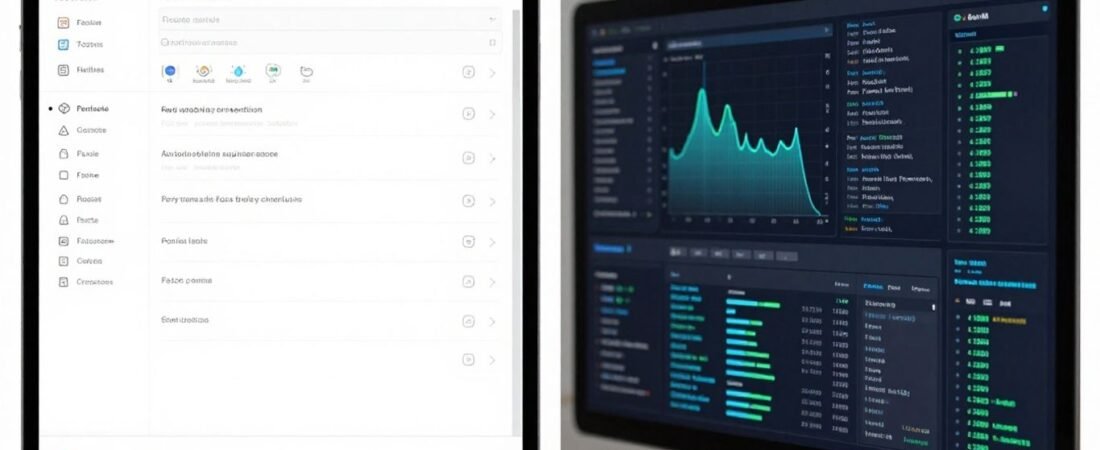
Thinking about getting into affiliate marketing? It’s a popular way to make money online, but you can’t just wing it. You need the right tools, especially for SEO. This guide is all about helping beginners figure out the best affiliate marketing SEO tool comparison. We’ll break down what these tools do and what to look for, so you don’t get lost in all the options.
Key Takeaways
- Affiliate marketing SEO tools help you find keywords, improve your content, check your site’s health, and build links.
- Good keyword research tools show you what people are searching for and if you can rank for those terms.
- Content optimization tools help you make your articles more appealing to both readers and search engines.
- Technical SEO tools are important for making sure search engines can find and understand your website.
- Understanding your backlinks and your competitors’ links is key to building your own authority.
Understanding Affiliate Marketing SEO Tools
So, you’re diving into affiliate marketing and want to get your content seen? That’s where SEO tools come in. Think of them as your digital toolkit, helping you figure out what people are actually searching for online. Without these tools, you’re basically guessing, and in the online world, guessing doesn’t pay the bills.
What Are Affiliate Marketing SEO Tools?
Basically, these are software programs designed to help you improve your website’s visibility in search engines like Google. For affiliate marketers, this means getting more people to click on your links and, hopefully, buy something. They help with everything from finding the right keywords to making sure your website is technically sound. It’s all about making it easier for search engines to find and rank your content, which then brings potential customers to you. This is a big part of SEO for affiliate marketing beginners.
Why Are SEO Tools Crucial for Affiliate Marketers?
Let’s be real, the internet is crowded. If you want people to find your affiliate content, you need to play the search engine game. SEO tools give you the data to make smart decisions instead of just hoping for the best. They help you understand:
- What topics your audience is interested in.
- Which specific phrases (keywords) they use when searching.
- How competitive those keywords are.
- If your website is set up correctly for search engines.
- Who your competitors are and what they’re doing.
Without this information, you’re just shouting into the void. These tools help you target your efforts effectively, saving you time and making your marketing more successful. It’s a core part of any affiliate marketing step by step for beginners plan.
Key Features to Look For in SEO Tools
When you’re starting out, it can feel overwhelming with all the options. But most good SEO tools will offer a few core things:
- Keyword Research: This is huge. You need to find terms people are actually typing into Google.
- Rank Tracking: See where your content ranks for specific keywords over time.
- Site Audit: Checks your website for technical issues that might be hurting your search rankings.
- Backlink Analysis: Understand who is linking to your site and to your competitors’ sites.
- Content Analysis: Helps you see if your content is optimized for the keywords you’re targeting.
You don’t need every single bell and whistle when you’re just starting. Focus on the tools that help you understand your audience and improve your content’s visibility. As you grow, you can explore more advanced features.
Choosing the right tools can make a massive difference in how quickly you see results. It’s about working smarter, not just harder.
Keyword Research Tools for Affiliate Success
Alright, so you’ve got the basics of affiliate marketing down, and you’re ready to start finding those golden opportunities. This is where keyword research comes in. Think of it as your treasure map for the internet. You need to know what people are actually searching for so you can create content that answers their questions and, eventually, leads them to buy something through your affiliate links.
Identifying High-Intent Keywords
This is super important. You don’t just want any keyword; you want keywords that show someone is ready to buy. These are often called "high-intent" keywords. They usually include words like "best," "review," "buy," "discount," or "comparison." For example, instead of just searching for "running shoes," someone looking to buy might search for "best trail running shoes for wide feet" or "buy Nike Pegasus 40 review." These phrases tell you they’re further down the buying journey.
- Look for commercial intent: Keywords that suggest a purchase is being considered.
- Analyze the search results: See what kind of pages are ranking. Are they reviews, product pages, or just informational articles?
- Consider the user’s problem: What problem is the searcher trying to solve with a product or service?
Analyzing Keyword Difficulty and Volume
Once you find potential keywords, you need to figure out if you can actually rank for them and if enough people are searching for them. This is where keyword difficulty and search volume come into play. Search volume tells you how many people, on average, search for a term each month. Keyword difficulty is a score that estimates how hard it will be to rank on the first page of Google for that term. Finding that sweet spot between decent search volume and manageable difficulty is key.
Here’s a quick look at what to consider:
- High Volume, High Difficulty: Usually dominated by big sites, tough for beginners.
- Low Volume, Low Difficulty: Easier to rank, but fewer people are searching.
- High Volume, Low Difficulty: The dream, but rare!
- Low Volume, High Difficulty: Probably not worth your time.
Tools like Google Keyword Planner are great for getting initial ideas and understanding volume, especially if you’re running Google Ads. For more in-depth analysis, you might look at tools that offer more detailed difficulty scores and competitor insights. You can find a good overview of these tools in guides comparing various keyword research tools.
Tools for Long-Tail Keyword Discovery
Long-tail keywords are longer, more specific phrases that people search for. They often have lower search volume individually, but when you combine them, they can drive a lot of targeted traffic. Think of them as the specific questions your audience is asking. For instance, "how to choose a profitable affiliate niche" is a long-tail keyword that shows someone is looking for guidance.
- Use "People Also Ask" boxes: Google’s own search results often reveal related questions.
- Explore "Related Searches" at the bottom of Google: More clues to what people are looking for.
- Leverage keyword suggestion tools: Many SEO platforms offer suggestions based on your initial queries. There are also some great free keyword research tools out there that can help you uncover these gems without breaking the bank.
Finding the right keywords is like finding the right customers. You want people who are actively looking for what you have to offer, not just browsing aimlessly. This focus on intent will save you a lot of time and effort in the long run.
Content Optimization and Analysis Tools
Once you’ve got your content out there, you can’t just forget about it. You need to make sure it’s actually doing its job, which is to attract people and get them interested in what you’re promoting. This is where content optimization and analysis tools come into play. They help you see what’s working and what’s not, so you can tweak things and get better results.
On-Page SEO Optimization Features
This is all about making sure each individual piece of content is as good as it can be for search engines and for readers. Think of it like tuning up a car before a race. You want everything running smoothly.
- Title Tag and Meta Description Optimization: These are the first things people see in search results. Tools can help you craft compelling titles and descriptions that encourage clicks.
- Header Tag Usage (H1, H2, H3): Proper use of headers makes your content easier to scan and understand for both users and search engines. It helps organize your thoughts and the information.
- Keyword Integration: Making sure your target keywords are naturally included in your content, but not stuffed in. Tools can flag areas where you might be overusing or underusing them.
- Internal Linking Suggestions: Connecting your content to other relevant pages on your site keeps visitors engaged and helps search engines discover more of your pages. It builds a stronger site structure.
Good on-page SEO isn’t just about pleasing search engines; it’s about making your content clear, useful, and easy for actual people to read and understand. When you focus on the reader, search engines tend to notice.
Content Gap Analysis for Competitive Advantage
Ever wonder what your competitors are writing about that you’re missing? Content gap analysis tools help you find those opportunities. It’s like looking at your rival’s playbook to see what plays they’re running successfully.
- Identify Missing Topics: See what keywords or topics your competitors rank for that you don’t cover.
- Analyze Competitor Content: Understand what makes their popular content successful.
- Discover New Content Ideas: Use the gaps to create content that fills a need your audience has and your competitors aren’t meeting.
This kind of analysis can give you a real edge, helping you create content that’s not just good, but better than what’s already out there. It’s a smart way to grow your affiliate marketing efforts.
Tools for Improving Readability and Engagement
Even if your content is perfectly optimized for search engines, it won’t do much good if people can’t read it or get bored halfway through. Readability and engagement tools focus on the human element.
- Readability Scores: Many tools provide a score based on sentence length, word complexity, and other factors. Aim for a score that indicates easy comprehension for your target audience.
- Engagement Metrics: Tools can sometimes track how long people stay on a page, how far they scroll, and if they interact with elements like videos or comments. This gives you clues about what holds attention.
- Grammar and Style Checks: Beyond basic spellcheck, these tools can suggest ways to make your writing clearer, more concise, and more engaging. They help polish your prose.
Making your content easy and enjoyable to read is a big part of keeping visitors on your site longer and encouraging them to take the next step. Tools that help with this are super important for any affiliate marketer looking to convert visitors into buyers. You can find some great affiliate marketing tools that offer these features.
Technical SEO and Site Audit Tools
Okay, so you’ve got your keywords and your content is looking sharp. But what about the nuts and bolts of your website? That’s where technical SEO and site audit tools come in. Think of it like checking the foundation and wiring of a house before you start decorating. If the underlying structure is shaky, nothing else will hold up.
Website Crawling and Indexing Checks
Search engines like Google send out little bots, called crawlers, to explore the web. They follow links from page to page to understand what’s on your site and decide if it’s worth showing in search results. If these crawlers can’t find or access your pages, they won’t get indexed, meaning they won’t show up in search. Tools can simulate these crawlers to see what they see. They’ll tell you if there are broken links, pages that are blocked from being crawled, or if your site structure is confusing.
- Are all your important pages discoverable?
- Are there any "orphan" pages that aren’t linked to from anywhere else?
- Is your
robots.txtfile set up correctly, not accidentally blocking important content?
Identifying and Fixing Technical Errors
Technical errors are like little roadblocks for both search engines and your visitors. Things like slow loading times, pages that don’t work on mobile phones, or duplicate content can really hurt your rankings. Site audit tools are brilliant for spotting these issues. They’ll often give you a report listing problems from most to least severe. You can then work through the list, fixing each one.
Fixing technical SEO issues isn’t just about pleasing Google; it’s about making your website a better experience for everyone who visits it. A smooth, fast, and error-free site keeps people around longer and makes them more likely to click on your affiliate links.
Some common errors include:
- Broken internal and external links (404 errors)
- Missing or duplicate meta descriptions
- Pages with thin content
- Improper use of redirects
Speed Optimization and Mobile Friendliness Tools
People are impatient. If your site takes too long to load, they’re gone. Google knows this and uses page speed as a ranking factor. Similarly, with so many people browsing on their phones, a site that isn’t mobile-friendly is a big problem. Tools like Lighthouse can give you a score for both speed and mobile usability, along with specific suggestions on how to improve. You can also find free SEO audit tools that specifically focus on these areas, helping you pinpoint exactly what needs tweaking to make your site zippy and accessible on any device.
Backlink Analysis and Building Tools
Backlinks are a big deal for affiliate marketers because they help push your content higher in search results. You want solid links that bring in steady traffic, not spammy ones that will get you in trouble.
Understanding Your Backlink Profile
You need to know who’s linking to your site and what those links actually do for your rankings. Here’s what to focus on:
- Total number of backlinks: Don’t rely on just the raw count. It’s more about the quality than the quantity.
- Referring domains: More unique sites linking to you means more trust from search engines.
- Link types: Dofollow, nofollow, sponsored—know what you’re working with.
| Metric | What to Watch |
|---|---|
| Total Backlinks | 100+ is starter |
| Referring Domains | 30+ solid |
| Top Linking Pages | 3-5 per topic |
| Anchor Text Diversity | Avoid repeats |
If you check your profile regularly, you’ll spot problems early—like losing good links or picking up ones that could hurt your rankings.
Competitor Backlink Analysis
Sometimes it feels like your rivals are everywhere at once. Well, with the right tools, you can see where their backlinks come from and figure out how they managed it. Here’s how you size them up:
- Plug your competitor’s URL into a backlink tool.
- Scan for high authority domains linking to them.
- Check what content gets them the best links.
- Make a list of link building opportunities for yourself.
By seeing which sources you’re missing, you can build a smart outreach plan. If you’re totally new to this, these user-friendly SEO tools can help you get a handle on backlink basics without making your head spin.
Tools to Aid Backlink Acquisition Strategies
Some tools just make life easier. Here are a few categories and examples worth considering:
- Outreach and relationship builders (email finder, templates, tracking)
- Tools for monitoring brand mentions (so you can quickly ask for links)
- Competitor link acquisition trackers
- Platforms with built-in reporting and alerts
You can see a carefully tested list of link-building tools that actually get results, not just promises.
In the end, building a better backlink profile isn’t about shortcuts—it’s sticking with a steady plan, tracking your work, and using helpful tools that fit your stage. If you make backlink checks a regular habit, your site’s traffic will thank you.
Choosing the Right Affiliate Marketing SEO Tool

So, you’ve been looking at all these different SEO tools, and maybe your head is spinning a bit. It’s totally normal. There are a ton of options out there, and figuring out which one fits your affiliate marketing journey can feel like a puzzle. Let’s break down how to pick the best tool for you.
Evaluating Free vs. Paid SEO Tools
When you’re just starting out, the idea of spending money on tools can be a bit daunting. The good news is, you don’t always have to. Google offers some really solid free resources that can get you going. Think about tools like Google Keyword Planner and Google Autocomplete. They’re great for getting a feel for what people are searching for and can help shape your initial content ideas. These are fantastic for beginners who are still figuring things out and want to keep costs low. You can really get a lot done with Google’s free SEO tools.
On the flip side, paid tools often give you more power and data. They usually bundle a lot of features together, saving you the hassle of juggling multiple programs. For instance, a tool like Semrush is often recommended for beginners because it’s an all-in-one package. It can handle keyword research, site audits, backlink analysis, and more. While there’s a cost involved, the convenience and depth of information can speed up your progress significantly.
Considering Your Budget and Needs
Your budget is a big factor, no doubt. If you’re on a tight budget, starting with free tools makes a lot of sense. You can always upgrade later as your affiliate income grows. But don’t just pick a tool because it’s free or because it’s the most expensive. Think about what you actually need right now.
Are you struggling with finding keywords? Or is your main problem understanding why your site isn’t ranking? Maybe you need help checking for technical errors. Different tools are better at different things. Some focus heavily on keyword research, while others excel at site audits or backlink tracking. It’s about matching the tool’s strengths to your biggest challenges.
Here’s a quick way to think about it:
- Budget: How much can you realistically spend each month?
- Goals: What specific SEO tasks are you trying to accomplish?
- Skill Level: Are you comfortable with complex data, or do you need something more straightforward?
- Time: How much time can you dedicate to learning and using a new tool?
Making an Informed Affiliate Marketing SEO Tool Comparison
When you’re comparing tools, look beyond just the price tag. Check out reviews, see if they offer free trials, and read up on their features. A good comparison involves looking at:
- Keyword Research Capabilities: How well does it help you find profitable keywords?
- Content Analysis: Does it help you optimize your articles for search engines?
- Technical SEO Features: Can it identify site errors or speed issues?
- Backlink Tracking: Does it give you insights into your link profile and competitors’?
- User Interface: Is it easy to use and understand?
Ultimately, the best tool is the one you’ll actually use consistently. A super-powerful tool that sits unused won’t help your affiliate marketing efforts at all. Focus on finding something that makes your SEO tasks manageable and helps you move forward.
Don’t be afraid to try out a few different options. Many paid tools have free trials, so you can test them out before committing. This hands-on experience is the best way to see which tool feels right for your workflow and helps you achieve your affiliate marketing goals.
Wrapping It Up: Your Next Steps
So, we’ve looked at a bunch of SEO tools that can help you out with affiliate marketing. It can feel like a lot at first, I get it. But remember, you don’t need the most expensive or complicated thing out there to get started. Pick one or two that seem to fit what you’re trying to do right now. Maybe it’s just figuring out what keywords people are actually searching for, or perhaps you need help seeing how your pages are performing. Don’t get stuck just researching tools forever. The best way to learn is by doing. Pick a tool, start using it, and see what you learn. You’ll figure out pretty quickly what works for you and what doesn’t. Keep it simple, stay consistent, and you’ll be on your way.
Frequently Asked Questions
What exactly are affiliate marketing SEO tools, and why do I need them?
Think of affiliate marketing SEO tools as your digital toolkit for making your website or content show up higher in search results like Google. They help you find what people are searching for, make your content better, and check if your website is working correctly. For affiliate marketers, these tools are super important because they help you attract more visitors who are likely to buy things through your links.
How do these tools help me find the right keywords?
These tools are like detectives for words! They help you discover what terms people type into search engines when they’re looking to buy something. By finding these ‘high-intent’ keywords, you can create content that directly answers their questions and shows them the products you recommend, leading to more sales.
Can SEO tools help improve the content I write?
Absolutely! Many SEO tools can analyze your content and give you tips on how to make it more appealing to both readers and search engines. They might suggest adding certain words, improving how easy it is to read, or making sure you’ve covered the topic well enough to be seen as an expert.
What’s the deal with technical SEO and site audits?
Technical SEO is all about making sure search engines can easily find, understand, and rank your website. Site audit tools check for problems like slow loading times, broken links, or issues that prevent search engines from seeing your pages. Fixing these technical glitches is crucial for your site to perform well in search results.
How can SEO tools help me with backlinks?
Backlinks are like votes of confidence from other websites. SEO tools help you see who is linking to your site and who is linking to your competitors. This information can guide you on how to get more high-quality backlinks, which significantly boosts your website’s authority and search rankings.
Should I use free or paid SEO tools?
It’s a good idea to start with free tools to get a feel for what they do. As you get more serious and your needs grow, paid tools often offer more advanced features, better data, and more support. The best choice depends on your budget and how much you plan to use the tools for your affiliate marketing business.