

Affiliate marketing can feel confusing when you’re just starting out. There’s a lot of talk about “calls to action” (CTAs), but nobody really explains what actually works. If you want people to click your affiliate links, your CTAs have to be simple, honest, and easy to spot. In this guide, I’ll walk you through affiliate marketing cta best practices that beginners can actually use—no fancy words or empty promises. Just real stuff that works for regular people trying to make their first sales online.
Key Takeaways
- Always make your offer clear so people know what they get if they click.
- Use direct and simple words that tell people what to do next.
- Add real proof, like reviews or numbers, to help people trust your links.
- Put your buttons where people can see them without hunting around.
- Try different colors and words to see what gets the most clicks.
1. Clear Value Proposition
When it comes to getting clicks in affiliate marketing, you can’t skip this step: your call-to-action (CTA) needs a clear value proposition. If readers are confused about what they’ll get, or if everything feels vague, they’ll just scroll past. A strong value proposition tells people exactly what’s in it for them.
To get this right, zero in on these:
- Say precisely what the offer is — don’t hint or get fancy.
- Answer the question, "Why should I care?"
- Focus on outcome: Will readers save time? Make money? Avoid hassle? Be upfront.
Here’s what to check before you hit publish:
- Is it obvious what happens if someone clicks?
- Are there numbers, facts, or quick benefits mentioned?
- Does the CTA match the headline and body copy?
A CTA with a clear value proposition is like a helpful signpost, not a blind alley. Give people a reason to follow your lead, not guess where you’re sending them.
If you strip away flashy words and empty promises, the point is to show, right away, why clicking is worth the reader’s effort. Simple, clear, and honest always wins.
2. Action-Oriented Language
When you’re trying to get someone to click that affiliate link, you can’t just sit there and hope they do it. You need to give them a little nudge, you know? That’s where action-oriented language comes in. It’s all about using words that tell people exactly what to do and why they should do it, right now.
Think about it. Instead of saying, "This product might be helpful," try something like, "Get your free guide now" or "Start saving today." See the difference? One is passive, the other is direct. You want to make it super clear what the next step is.
Here are a few ways to make your CTAs pop:
- Use strong verbs: Words like ‘Buy,’ ‘Download,’ ‘Sign Up,’ ‘Learn,’ ‘Discover,’ ‘Join,’ and ‘Get’ are your best friends. They tell people what action to take.
- Focus on the immediate benefit: What will they get right away? "Claim your discount" or "Watch the demo" are good examples.
- Keep it short and sweet: Long, rambling CTAs get ignored. Get straight to the point.
It’s like telling a friend, "Hey, go check out this cool new restaurant!" instead of, "There’s a restaurant that exists, and some people find it interesting." You get more action when you’re direct.
Using words that prompt an immediate response makes a huge difference. It guides the reader’s journey and removes any guesswork about what they should do next. This clarity is key to getting more clicks and conversions.
3. Urgency Creation
Creating a sense of urgency in your CTA (call-to-action) isn’t just a marketing trick—it’s about giving readers a reason to act now, instead of clicking away or putting things off until later. If something feels like it might disappear or if it won’t always be there, people pay more attention. Think about those moments you waited too long to grab concert tickets, and suddenly they were sold out. That little nudge can make all the difference.
Here are some practical ways to build that feeling of urgency into your affiliate marketing CTAs:
- Use countdown timers for limited-time deals or bonuses. Seeing the seconds tick down actually triggers action in a lot of folks.
- Add phrases like “Only 3 left!” or “Offer ends in 6 hours”—be honest about these, never fake scarcity.
- Remind people that bonuses or discount codes are running out soon, especially if it’s a real deadline.
| Urgency Phrase Example | Expected Effect |
|---|---|
| "Last chance – ends today" | Immediate action, less hesitation |
| "Claim your spot now" | Fear of missing out on opportunity |
| "Expires in X hours" | Builds pressure to act quickly |
When readers know an opportunity won’t be around forever, they’re far more likely to click and follow through. Even something as simple as a one-day bonus can push a hesitant visitor over the line to sign up or buy.
Not everything should be a fire sale or create panic, but a little urgency—done honestly and sparingly—really does move the needle when it comes to affiliate sales.
4. Social Proof Integration
People tend to trust what others are saying, especially when they’re looking to buy something. That’s where social proof comes in. It’s basically using evidence from other people to show that your recommendation is a good one. Think about it: if you see a product with tons of positive reviews, you’re way more likely to consider it, right? The same applies to affiliate marketing.
Showing that others have benefited from a product or service can significantly boost conversions. It helps overcome skepticism and builds confidence in your audience. You don’t need to be a marketing guru to understand this. It’s just human nature.
Here are a few ways to weave social proof into your affiliate promotions:
- Testimonials: Share quotes or short video clips from satisfied users. Make sure they sound genuine and relate to the problems your audience faces.
- Case Studies: If you have a more in-depth success story related to the product, a mini case study can be very powerful. It shows a real-world application and results.
- User-Generated Content: Encourage your audience to share their experiences. This could be through comments, social media posts, or even reviews on your own site.
- Number of Users/Customers: If the product has a large user base, mentioning it can be effective. For example, "Join over 10,000 happy customers!"
- Expert Endorsements: If an industry expert or influencer you respect has recommended the product, mention that.
When you’re looking to build trust with your audience, especially when guiding them through an affiliate marketing email funnel, showing them that others have found success is key. It’s not about making a sale; it’s about guiding them to a solution that works.
For instance, if you’re promoting a tool, you could say something like, "I’ve seen so many people in our community find success with this software. Sarah from Ohio mentioned it helped her cut her workload in half." This kind of specific feedback feels much more real than just saying "it’s great."
5. Benefit-Focused Copy
Most beginners in affiliate marketing make the mistake of talking only about product features. The real trick is to show how the offer will actually help someone. Benefit-focused copy centers everything around what the reader gets and why it matters for them. You aren’t just selling access or tools – you’re offering ways for people to make life easier, save more time, or earn a side income without extra chaos.
Here’s how to write copy that’s benefit-first, not feature-first:
- Start each CTA with a statement that answers "what’s in it for me?"
- Replace product specs with simple, everyday problems the item helps solve
- Make your copy sound more like a problem being solved, less like a catalog listing
For example, instead of “Get instant access to 20 project templates,” say “Save hours each month with plug-and-play templates that do the hard work for you.”
A quick comparison table for what this actually looks like:
| Feature Statement | Benefit-Focused Copy |
|---|---|
| 14-day free trial | Try it risk-free for two weeks and see real results before you pay |
| Built-in email tool | Keep in touch with leads automatically so you never miss a sale |
| Video course included | Learn step-by-step at your own pace—no more guessing |
Focusing on the benefits turns every call-to-action into a personal reason for the reader to click, not just another button on the page.
If you want more on creating messages that get people to take action, check out these advertising copy examples and frameworks explained in detail—it’s a handy resource for boosting conversions with the right words.
6. Button Placement Strategy
Where you put your call-to-action (CTA) buttons really matters. It’s not just about slapping them on the page; you need to think about where someone’s eyes are naturally going.
Generally, people scan pages from top-left to bottom-right. So, placing your main CTA button somewhere visible early on is a good idea. Think above the fold, or right after you’ve explained a key benefit. The goal is to make it easy for someone to take the next step when they’re most interested.
Here are a few common spots that tend to work well:
- Above the Fold: This is the part of the page visible without scrolling. It catches attention immediately.
- After Key Information: Once you’ve explained a product’s benefits or how it solves a problem, a CTA button right there makes sense.
- Within Content: Sometimes, a well-placed button within a paragraph can break up text and offer a clear next step.
- End of the Page: A final CTA at the bottom gives people who read the whole thing a chance to act.
Think about the user’s journey. Are they just starting to learn, or are they ready to buy? Your button placement should match their mindset. For instance, if you’re building trust and explaining value, a button that leads to more information or a free resource might be best. If they’re clearly ready to purchase, then a direct ‘Buy Now’ or ‘Get Started’ button is appropriate. You want to guide them smoothly, not force them.
Don’t hide your CTA. Make it obvious, but also natural. It should feel like a helpful suggestion, not an annoying pop-up. The easier it is to find and click, the more likely people are to do it.
Testing different placements is key. What works for one site might not work for another. Tools that track user clicks can show you where people are actually looking and clicking. This kind of data helps you refine your strategy and improve your conversion rates. Remember, the best placement is the one that gets the most clicks from the right people.
7. Color Contrast Optimization

When you’re putting together your affiliate marketing content, especially those calls to action (CTAs), the colors you pick actually matter. It’s not just about making things look pretty; it’s about making sure people can actually see and interact with your buttons and links.
Think about it: if your CTA button blends into the background, nobody’s going to click it. That’s a missed sale right there. Good color contrast makes your CTAs stand out and guides the user’s eye. It’s a simple thing, but it can make a big difference in how many people actually take the action you want them to.
Here’s a quick rundown of why it’s important and how to get it right:
- Readability is Key: Your text needs to be easy to read. This applies to both the text on your buttons and any surrounding text that might explain the offer. If it’s hard to read, people will just skip over it.
- Accessibility Matters: Not everyone sees colors the same way. Using high contrast helps people with visual impairments, like color blindness, to still see and understand your CTAs.
- Directs Attention: A well-contrasted button acts like a little spotlight, drawing the visitor’s attention exactly where you want it to go.
How to Check Your Contrast:
There are free tools online that can check the contrast ratio between your text color and background color. You want to aim for a ratio that meets accessibility standards, usually around 4.5:1 for normal text and 3:1 for large text. This ensures your links and buttons are visible to most people.
Don’t just pick colors because you like them. Think about how they work together on the page. A bright, contrasting button on a muted background is usually a safe bet. It’s about making it obvious what you want the visitor to do next.
8. Personalization Techniques
Making your affiliate marketing calls to action feel like they’re talking directly to the person reading them can make a big difference. It’s not just about slapping a generic button on a page; it’s about making that click feel like the right next step for them.
Think about what you know about your audience. Are they beginners just starting out, or are they more experienced marketers looking to scale? Tailoring your CTA can be as simple as using their name if you have it from an email list, but it goes deeper than that.
Here are a few ways to personalize:
- Segment your audience: If you know some people are interested in high-ticket offers and others in low-ticket, create different CTAs. For example, one might say ‘Discover High-Ticket Affiliate Programs’ while another says ‘Find Beginner-Friendly Affiliate Niches’.
- Reference their pain points: If your content is about saving money, your CTA could be ‘Start Saving Today’ or ‘Get Your Free Budgeting Guide’.
- Match the CTA to the content: If you just explained how to build an email list, a CTA like ‘Build Your List with This Tool’ makes sense. It’s relevant and timely.
The goal is to make the user feel understood and that the offer is a direct solution to their current need.
Personalization isn’t just a nice-to-have; it’s becoming a standard expectation. When people feel like you’re speaking to their specific situation, they’re much more likely to trust you and take the action you’re suggesting. It shows you’ve paid attention to their journey.
9. Trust Badge Usage
Think about the last time you bought something online. Did you see any little logos or badges that made you feel more secure? Things like ‘Secure Payment,’ ‘Money-Back Guarantee,’ or maybe even a recognized security seal? Those are trust badges, and they’re super important in affiliate marketing too.
They’re basically visual cues that tell your audience you’re legitimate and that their information is safe. When you’re recommending a product or service, especially if it involves payment or personal details, people want to know they can trust the process. Using these badges can really help ease their minds.
Here’s why they matter:
- Builds Credibility: They show you’ve thought about the user’s security and are partnered with reputable services.
- Reduces Hesitation: A potential buyer might be on the fence. Seeing a ’30-Day Money-Back Guarantee’ badge can be the nudge they need to click your affiliate link.
- Increases Conversions: Simply put, when people trust you more, they’re more likely to buy through your links.
What kind of badges should you look for? It really depends on what you’re promoting. Common ones include:
- Payment Security: Logos like Visa, Mastercard, PayPal, or SSL certificates.
- Guarantee Badges: ‘Money-Back Guarantee,’ ‘Satisfaction Guaranteed,’ or specific return policy icons.
- Customer Service: Sometimes badges related to good support can help.
- Industry Specific: Depending on the niche, there might be other relevant certifications or seals.
When you’re adding these, make sure they look clean and don’t clutter your page. They should be noticeable but not distracting. Think of them as little helpers that quietly reassure your visitors that they’re in good hands. It’s all about making that click feel safe and sound.
10. Exit-Intent Popups
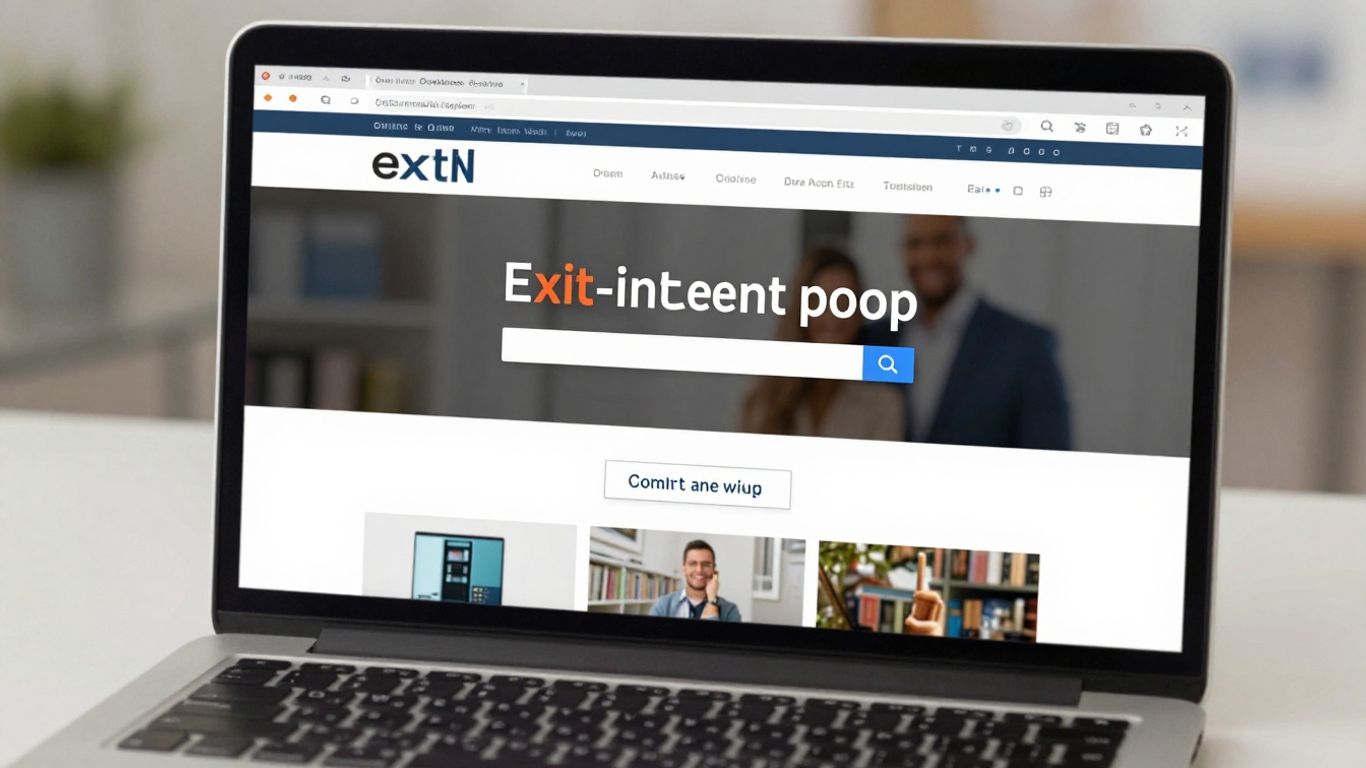
So, you’ve got someone browsing your affiliate site, maybe looking at a product review or a helpful guide. They’re about to hit that back button or close the tab. That’s where exit-intent popups come in. They’re your last chance to grab their attention before they leave. Think of it like a friendly "Wait!" sign just as someone’s walking out the door.
These popups trigger when the site detects a visitor is about to leave, usually by their mouse cursor moving towards the top of the screen. It’s a smart way to re-engage them. You can use them to offer a last-minute discount, a freebie, or a link to a related, high-value piece of content. The goal is to give them a reason to stick around or at least come back later.
Here’s how to make them work for you:
- Offer something genuinely useful: Don’t just ask them to subscribe. Maybe it’s a checklist, a short guide, or a special offer related to what they were just looking at.
- Keep it simple and clear: Visitors are already leaving. A complicated popup will just annoy them. Get straight to the point.
- Create a little urgency: Phrases like "Offer ends today!" or "Last chance for 10% off" can nudge people to act.
Remember, the key is to be helpful, not intrusive. A well-timed popup can turn a departing visitor into a lead or even a sale, but an annoying one will just speed up their exit.
For affiliate marketers, this is a great way to capture emails for your affiliate marketing email funnel strategy or to direct them to a different, perhaps more relevant, offer before they disappear forever. It’s a small tactic that can make a surprising difference in keeping people engaged with your content.
Wrapping It Up
So, we’ve gone over how to make your calls to action work better for affiliate marketing. It’s not about being pushy; it’s about being clear and helpful. Think about what your audience actually needs and point them in the right direction. A good CTA is like a friendly nudge, not a shove. Keep testing what works, stay honest with your readers, and you’ll see those clicks turn into something real. It takes practice, but getting your CTAs right is a big step towards making affiliate marketing work for you.
Frequently Asked Questions
What exactly is a Call to Action (CTA) in affiliate marketing?
A Call to Action, or CTA, is like a signpost that tells people what to do next. In affiliate marketing, it’s a button or a link that encourages visitors to click, buy something, sign up, or take another step you want them to take. Think of it as guiding your audience toward the next part of their journey.
Why is the wording of a CTA so important?
The words you use can make a huge difference! If you say ‘Click Here,’ it’s okay, but if you say ‘Start Your Free Trial Today’ or ‘Get Your Discount Now,’ it’s much more exciting and tells people exactly what they’ll get. Using strong, action-packed words helps grab attention and makes people more likely to click.
How can I make my CTA stand out?
Making your CTA pop is key! Use colors that contrast with the rest of your page so it’s easy to spot. Also, place it where people will naturally see it, like after you’ve explained the benefits of a product or service. A well-placed, colorful button is much harder to miss.
What’s the deal with ‘urgency’ in CTAs?
Creating a sense of urgency means letting people know there’s a limited-time offer or a special deal. Phrases like ‘Offer Ends Soon!’ or ‘Only 3 Left!’ can encourage people to act fast before they miss out. It taps into the fear of missing a good opportunity.
Can social proof help my CTAs work better?
Absolutely! Social proof means showing that others have already taken the action and liked it. You can mention how many people have bought something, show testimonials, or display star ratings. This builds trust and makes potential customers feel more comfortable clicking your CTA.
How do I know if my CTA is actually working?
You track it! You can use tools to see how many people see your CTA and how many actually click on it. This is called the click-through rate (CTR). By testing different versions of your CTA (like changing the words or colors), you can figure out what works best to get more people to take action.