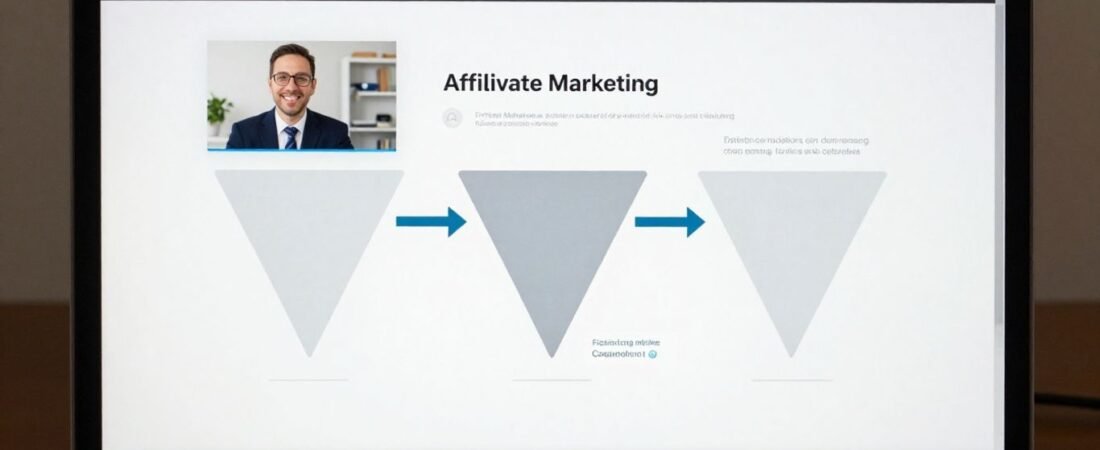
So, you’re looking into affiliate marketing and heard about webinar funnels? It sounds complicated, I know. Like, what even is that? Well, think of it as a way to guide people who are interested in what you’re promoting. Instead of just throwing links everywhere, you’re actually teaching them something, building trust, and then showing them how your affiliate product can help. This affiliate marketing webinar funnel guide is for anyone who feels a bit lost and wants a clear path to making this work. We’ll break down how to set one up, get people to show up, and actually get them to take action.
Key Takeaways
- An affiliate marketing webinar funnel is a structured way to use a live or recorded presentation to educate an audience and then guide them toward an affiliate product. It’s about providing value first.
- Building trust is key. Webinars let you connect with potential customers, answer their questions, and show why an affiliate offer is a good solution for their problems.
- You need a plan for your webinar content. What will you teach? How will you structure it so people stay engaged and understand the value? This is where you really help your audience.
- Getting people to your webinar is half the battle. You’ll need to promote it using social media, maybe some ads, and make sure people can find it.
- After the webinar, you can’t just stop. Follow up with attendees, answer more questions, and remind them about the affiliate offer. This is where many sales happen.
Understanding The Affiliate Marketing Webinar Funnel

So, you’re looking to get into affiliate marketing and you’ve heard about webinar funnels. What exactly is that, and why should you even care? Think of it like this: a webinar funnel is a structured way to guide potential customers from being completely unaware of a product to actually buying it, all through a live or recorded online presentation. It’s not just about throwing up a video; it’s a strategic process.
What Is An Affiliate Marketing Webinar Funnel?
An affiliate marketing webinar funnel is a specific type of sales funnel designed to promote and sell affiliate products using webinars. It starts with getting people to sign up for your webinar, then you present information that educates and persuades them, and finally, you guide them towards purchasing an affiliate product you recommend. The goal is to build trust and demonstrate value before asking for the sale. It’s a way to connect with your audience on a more personal level than just a blog post or a social media ad.
Why Use A Webinar Funnel For Affiliate Marketing?
Why bother with a webinar funnel when there are other ways to promote? Well, webinars offer a unique advantage. They allow you to directly interact with your audience, answer their questions in real-time, and showcase the benefits of a product in a dynamic way. This personal touch can significantly boost conversion rates. Plus, it positions you as an authority in your niche. People are more likely to buy from someone they feel they know and trust, and a webinar is a great way to build that connection. It’s also a fantastic way to generate leads. You collect email addresses when people register, which you can then use for follow-up.
Key Components Of A Webinar Funnel
To make a webinar funnel work, you need a few key pieces in place:
- Registration Page: This is where people sign up for your webinar. It needs to be clear about what the webinar is about and why they should attend.
- Webinar Presentation: This is the core of your funnel. It should provide genuine value, educate your audience, and naturally lead into your affiliate offer.
- Email Follow-Up Sequence: Not everyone buys during the webinar. You’ll need a series of emails to nurture leads, answer more questions, and remind them of the offer.
- Affiliate Offer: This is the product or service you’re promoting. It needs to be a good fit for your audience and something you genuinely believe in.
Building a successful webinar funnel takes planning and effort, but the payoff in terms of audience engagement and sales can be substantial. It’s about creating a journey for your audience, not just a one-off event.
Choosing the right tools is important here. For instance, platforms like ClickFunnels can help you build out the entire funnel structure, from landing pages to email sequences, making the process much smoother for beginners.
Crafting Your Webinar Content Strategy
Alright, so you’ve got the idea for your webinar, but what are you actually going to say? This is where a lot of people get stuck. You can’t just wing it and expect people to stick around, let alone buy anything. We need a plan, a solid strategy for your content.
Identifying Your Target Audience’s Needs
Before you even think about slides, you need to know who you’re talking to. Who is this webinar for? What keeps them up at night? What problems are they trying to solve? If you’re promoting an affiliate product, your webinar needs to show how that product is the answer to their specific issues. Think about their current situation – maybe they’re tired of their 9-to-5, struggling with rising costs, or just feel stuck.
Understanding your audience’s pain points is the first step to creating content that actually helps them and positions your affiliate offer as the solution they’ve been looking for.
Here’s a quick look at who might be tuning in:
- The Aspiring Entrepreneur: Wants to build an income stream outside of a traditional job.
- The Budget-Conscious Individual: Needs extra cash to deal with inflation and rising living expenses.
- The Career Changer: Feels job insecurity and wants to pivot to something more stable and fulfilling.
- The Overwhelmed Beginner: Gets lost in all the online advice and needs clear, actionable steps.
Structuring Your Webinar Presentation
Once you know your audience, you can build a presentation that flows. A good structure keeps people engaged and guides them toward the desired action. Think of it like telling a story, but with a clear purpose.
- Hook: Start strong. Grab their attention immediately with a relatable problem or a surprising statistic.
- Problem: Dive deeper into the pain points you identified. Show them you understand their struggles.
- Solution: Introduce your affiliate product as the answer. Explain how it solves their problem.
- Proof: Show it works. This could be case studies, testimonials, or a demonstration.
- Call to Action: Tell them exactly what to do next – usually, that means clicking your affiliate link to check out the product.
Creating Compelling Webinar Slides
Your slides are your visual aid. They should support what you’re saying, not distract from it. Keep them clean, simple, and focused. Less is definitely more when it comes to webinar slides.
- Minimal Text: Use bullet points or short phrases. Avoid paragraphs.
- Strong Visuals: Use high-quality images or graphics that relate to your topic.
- Consistent Branding: Stick to your colors and fonts so it looks professional.
- Clear Headlines: Each slide should have a clear, concise headline.
Remember, the goal is to educate and persuade. Your content needs to be clear, honest, and directly address the needs of your audience. If you can do that, you’re well on your way to a successful webinar funnel. For more on defining your audience, check out this guide on how to define your ideal webinar audience.
Building Your Webinar Funnel Infrastructure
Okay, so you’ve got your webinar topic and your content strategy sorted. That’s awesome. But now comes the part where we actually build the machine that makes it all work. Think of this as laying the foundation and putting up the walls for your online event space. It’s not the most glamorous part, but it’s absolutely necessary if you want people to show up and, more importantly, take action.
Choosing The Right Webinar Platform
First things first, you need a place to host your live event. There are a bunch of options out there, and they all do slightly different things. Some are super simple, just for broadcasting, while others have all the bells and whistles like Q&A, polls, and chat features. For affiliate marketing, you really want something that can handle registration and ideally, integrate with your email system. This makes sure everyone who signs up gets the reminders and follow-up emails automatically.
Here’s a quick look at what to consider:
- Ease of Use: Can you set it up without needing a tech degree?
- Features: Does it have registration, chat, Q&A, polls, and screen sharing?
- Integrations: Does it connect with your email marketing service?
- Capacity: How many attendees can it handle?
- Cost: What’s your budget?
Don’t just pick the cheapest one. Think about what will make the attendee experience smooth. A clunky platform can turn people off before you even start talking about your affiliate offer. You can find some great affiliate marketing platform comparison guides online to help you decide.
Designing High-Converting Landing Pages
This is where people actually sign up for your webinar. Your landing page needs to be clear, compelling, and focused. It’s not a place for a lot of distractions. You want to tell people exactly what the webinar is about, who it’s for, and why they absolutely need to be there. Highlight the main benefit they’ll get.
Think about it like this:
- Headline: Grab attention immediately. What’s the biggest promise?
- Benefit Bullets: List out 3-5 key takeaways. What problems will you solve?
- Call to Action (CTA): Make the signup button obvious and tell them what to do (e.g., "Register Now for Free").
- Social Proof (Optional but good): Testimonials or numbers can help.
Remember, this page is the gateway. If it’s confusing or doesn’t clearly state the value, people will just click away. We’re aiming to get them to say "Yes, I need this!" right from the start. This is a key part of the initial stage of a sales funnel.
Setting Up Your Email Automation Sequence
Once someone signs up, the work isn’t done. In fact, it’s just beginning. You need to set up a series of automated emails to keep them engaged. This sequence typically includes:
- Confirmation Email: Immediately after signup, confirm their spot and give them the webinar details again. Maybe add it to their calendar.
- Reminder Emails: Send one a day or two before, and another one an hour or so before the webinar starts. Don’t let them forget!
- Post-Webinar Email: Thank them for attending (or not attending) and provide a replay link if available. This is also where you’ll introduce your affiliate offer.
This automated follow-up is critical for nurturing leads. It keeps your webinar top-of-mind and guides attendees toward the next step, whether that’s buying an affiliate product or engaging further with your content.
These emails build anticipation and ensure people actually show up. Plus, they’re your main tool for pitching your affiliate product after the event. Make sure your emails are clear, concise, and have a strong call to action.
Driving Traffic To Your Affiliate Webinar
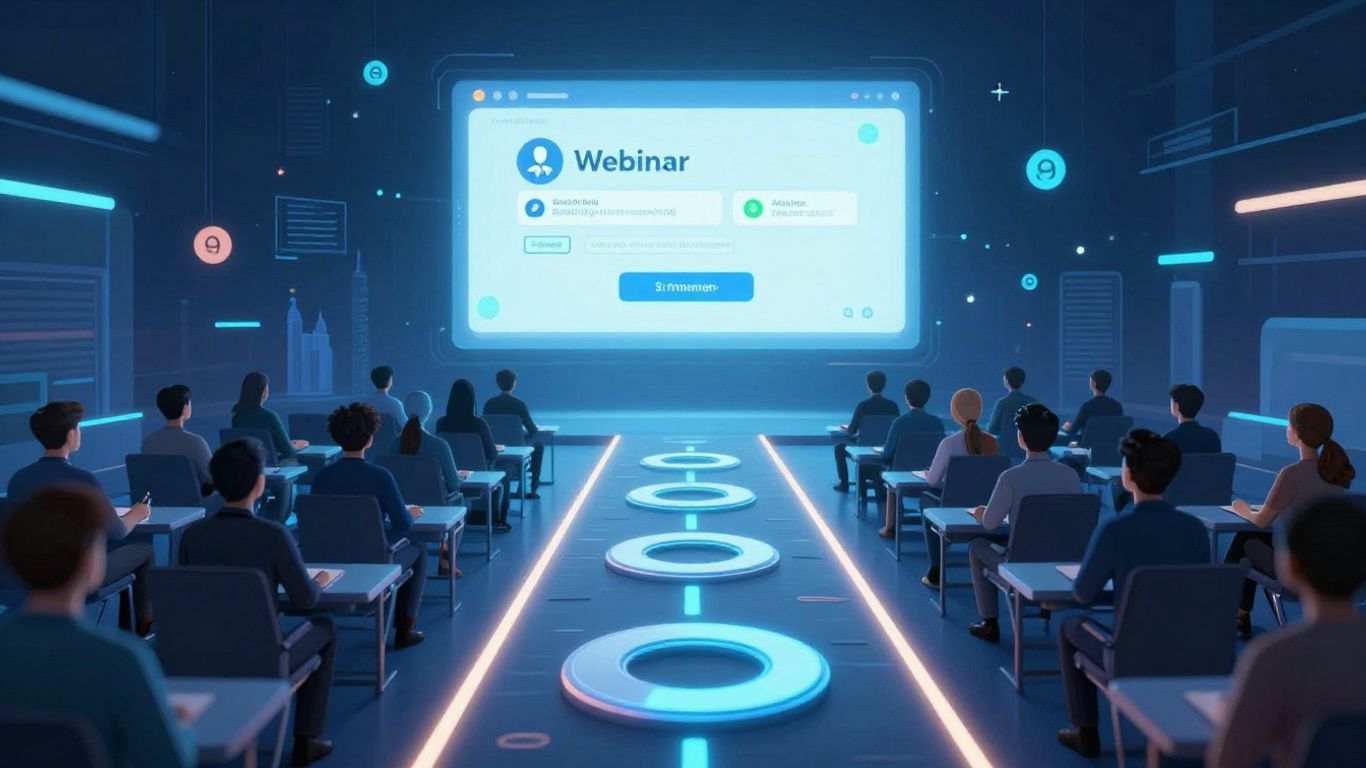
So, you’ve built this awesome webinar funnel, and the content is ready to go. That’s great! But nobody’s going to show up if they don’t know about it, right? Getting people to register and attend is where the real work begins. Think of it like throwing a party – you need to send out invitations and make sure people know where and when to come.
Leveraging Social Media For Promotion
Social media is a goldmine for getting the word out. You can reach a lot of people pretty quickly if you play it right. Don’t just post a link and hope for the best, though. You need to actually talk about what the webinar is about and why someone needs to be there.
- Create engaging posts: Use eye-catching images or short videos that tease the webinar content. Ask questions related to the topic to get people thinking.
- Run targeted ads: Platforms like Facebook and Instagram let you show your webinar promotion to very specific groups of people. If your webinar is about making money online, you can target people interested in business, entrepreneurship, or side hustles.
- Engage with communities: Find groups or forums where your target audience hangs out. Share your webinar information there, but make sure you’re following the group rules and not just spamming.
- Use Stories and Reels: These short-form video formats are super popular. You can use them for quick announcements, behind-the-scenes peeks, or even short Q&A sessions about the webinar topic.
Implementing Paid Advertising Strategies
If you’ve got a bit of a budget, paid ads can really speed things up. It’s a way to get your webinar in front of a lot of eyes, fast. The key here is to be smart about where you spend your money.
- Google Ads: People searching for solutions related to your webinar topic are high-intent. Running ads on Google Search can catch them when they’re actively looking.
- Facebook/Instagram Ads: As mentioned, these are great for targeting specific demographics and interests. You can run ads specifically for webinar registrations.
- YouTube Ads: If your audience watches a lot of videos, consider running ads on YouTube. You can target based on channels they watch or videos they view.
Always track your ad spend carefully to see which platforms and campaigns are actually bringing in registrations. You don’t want to waste money on ads that aren’t working.
Utilizing SEO For Webinar Visibility
Search Engine Optimization, or SEO, is more of a long-term play, but it’s super important. When people search on Google for topics related to your webinar, you want to show up. This means creating content that search engines like.
- Blog Posts: Write articles that answer common questions your target audience has. Naturally mention your upcoming webinar as a solution or a place to learn more.
- Keyword Research: Figure out what terms people are actually typing into search engines. Use tools to find these keywords and then build your content around them.
- Optimize Your Webinar Landing Page: Make sure the page where people sign up for your webinar is optimized with relevant keywords so Google can find it.
Getting traffic to your webinar isn’t just about shouting into the void. It’s about strategically placing your message where your ideal audience is likely to see it and be interested. Think about where they spend their time online and what kind of information they’re looking for. Then, tailor your promotion to meet them there.
Here’s a quick look at potential traffic sources and their general effectiveness for webinar promotion:
| Traffic Source | Speed to Results | Cost | Audience Targeting | Notes |
|---|---|---|---|---|
| Social Media (Organic) | Slow | Free | Broad | Requires consistent engagement |
| Social Media (Paid) | Fast | Variable | Specific | Can be very effective with good targeting |
| Google Ads | Fast | Variable | High Intent | Catches people actively searching |
| SEO (Blog Content) | Very Slow | Free/Time | Broad/Specific | Builds long-term authority and traffic |
| Email List | Fast | Free/Time | Engaged | Best results if you already have a list |
Optimizing Your Webinar Funnel For Conversions
So, you’ve got your webinar set up, people are signing up, and that’s great. But the real magic happens when you get them to actually do something after the presentation. We’re talking about turning those attendees into customers, or at least into leads who are ready to buy.
Strategies For Engaging Your Webinar Audience
Keeping people hooked during a live webinar is tougher than it looks. It’s not just about talking at them; it’s about making them feel involved. Think about starting with a quick poll to gauge their current situation or what they hope to learn. This gets them interacting right away. Throughout the presentation, ask questions, even if it’s just rhetorical ones that make them think. You can also use the chat feature to encourage comments and answer questions in real-time. The goal is to make it feel like a conversation, not a lecture.
- Interactive Q&A: Dedicate specific time slots for questions. Encourage attendees to submit questions throughout, not just at the end.
- Polls and Quizzes: Sprinkle these in to break up the content and check understanding. Keep them short and relevant.
- Storytelling: Share relatable stories about your own journey or successful case studies. People connect with experiences.
- Visuals: Use clear, engaging slides. Avoid walls of text. Images, charts, and short videos can help maintain attention.
People tune into webinars because they want solutions. If you can make them feel heard and understood, they’re much more likely to stick around and listen to what you have to say.
Effective Call-To-Actions During The Webinar
Don’t wait until the very end to tell people what you want them to do. Sprinkle your calls-to-action (CTAs) throughout the webinar, especially after you’ve delivered a particularly strong piece of information or solved a key problem for them. Make it super clear what the next step is. Are they supposed to click a link to a special offer? Download a guide? Sign up for a free trial? Whatever it is, tell them exactly how to do it and why they should do it now.
Here’s a breakdown of how to place CTAs:
- Mid-Presentation: After solving a major pain point, offer a solution that directly relates. For example, "If you’re struggling with [problem], I’ve got a special resource that walks you through it step-by-step. You can grab it right here: [link]."
- End of Key Sections: After covering a significant topic, guide them to the next logical step. "Now that we’ve covered X, the next thing you’ll want to do is Y. Click this link to get started: [link]."
- Final CTA: This is your main offer. Be direct, explain the benefits clearly, and create a sense of urgency if applicable. "Ready to finally [achieve desired outcome]? My [product/service] is designed to help you do just that. Click the link below to claim your spot/discount: [link]."
Post-Webinar Follow-Up And Nurturing
What happens after the webinar ends is just as important as the webinar itself. Not everyone will buy on the spot, and that’s okay. You need a plan to keep the conversation going. This usually involves an email sequence. The first email should thank them for attending and provide a replay link, maybe with a reminder of the main offer. Subsequent emails can address common objections, share testimonials, or offer additional tips related to the webinar topic. The goal is to build trust and keep your offer top-of-mind. If you’re looking for a structured way to build these systems, exploring affiliate marketing webinar funnel strategies can provide a clear roadmap for this.
Analyzing And Improving Your Funnel Performance
So, you’ve put together your webinar funnel, driven some traffic, and hopefully, people showed up. That’s great! But the work isn’t over. Now comes the part where we figure out what’s actually working and what’s not. It’s like checking your GPS after a long drive – you want to see if you took the best route or if there was a shortcut you missed.
Tracking Key Webinar Metrics
To know if your webinar funnel is doing its job, you need to watch the numbers. Don’t just guess; look at the data. This tells you where people are dropping off and where they’re sticking around. Some of the main things to keep an eye on include:
- Registration Rate: How many people who saw your promotion actually signed up? This shows how good your landing page and offer are.
- Attendance Rate: Of those who registered, how many actually showed up live? A big drop here might mean your reminder emails aren’t strong enough or the topic lost its appeal.
- Engagement During Webinar: Are people asking questions? Are they staying till the end? Tools can often show you watch time.
- Conversion Rate: This is the big one. How many attendees took the action you wanted them to, like clicking your affiliate link or making a purchase?
- Sales/Revenue: Ultimately, how much money did the webinar funnel generate?
Looking at these numbers helps you understand the health of your funnel. You can use analytics to identify and fix conversion drop-off points. This guide presents a framework designed to help you plug leaks and improve overall performance.
Understanding Conversion Rate Benchmarks
It’s easy to get lost in your own numbers, but how do they stack up against others? Knowing typical conversion rates can give you a realistic target. For webinars, attendance rates often hover around 30-50% of registrants. Sales conversion rates can vary wildly depending on the product, price, and your audience, but aiming for even a few percent is a good start for a beginner.
Don’t get discouraged if your initial numbers aren’t amazing. Every successful funnel started somewhere, and often, it’s with data that wasn’t perfect. The key is to use that data as a starting point for improvement, not as a final judgment.
Iterative Improvements For Long-Term Success
Once you know your numbers and have a sense of benchmarks, it’s time to make changes. This isn’t a one-and-done thing. Think of it as tuning up a car. You make a small adjustment, test it, see if it works better, and then make another adjustment.
Here are some ways to improve:
- A/B Test Landing Pages: Try different headlines, images, or calls to action on your registration page.
- Refine Email Sequences: Test different subject lines or content in your reminder and follow-up emails.
- Adjust Webinar Content: If engagement drops at a certain point, maybe that section needs to be shorter or more interactive.
- Tweak Your Offer: Is the affiliate product you’re promoting the right fit? Is the offer compelling enough?
By consistently analyzing and making small, informed changes, you build a webinar funnel that gets better over time. It’s about learning from each webinar and applying those lessons to the next one. This steady improvement is how you build a sustainable affiliate income stream.
Wrapping It Up
So, we’ve walked through setting up an affiliate marketing webinar funnel. It might seem like a lot at first, but breaking it down makes it manageable. Remember, the goal is to help your audience solve a problem, and a well-structured webinar funnel is a great way to do that. Keep practicing, keep learning, and don’t be afraid to adjust your approach as you go. You’ve got this.
Frequently Asked Questions
What exactly is an affiliate marketing webinar funnel?
Think of it like a guided tour for people interested in making money online through affiliate marketing. You invite them to a special online presentation (the webinar). During the webinar, you teach them something valuable and then show them how a specific product or service can help them even more. If they like what they see, they can buy it using your special link, and you earn a commission.
Why should I bother using a webinar funnel for affiliate marketing?
Webinars are great because they let you connect with people in real-time. You can answer their questions, build trust, and show them why you recommend a certain product. It’s much more personal than just posting a link, which can lead to more sales and help you build a loyal audience who trusts your advice.
What are the main parts of a webinar funnel?
You’ll need a way to get people to sign up (like a landing page), the webinar presentation itself, an email system to remind people and follow up, and of course, your affiliate links to the products you’re promoting.
How do I get people to watch my webinar?
You can tell people about it on social media, run ads on platforms like Facebook or Google, or use search engine optimization (SEO) so people can find your webinar when they search online for related topics. The key is to let the right people know it’s happening.
What should I talk about in my webinar?
Focus on helping your audience. Figure out what problems they have and what they want to achieve. Then, create a presentation that teaches them something useful related to affiliate marketing, and show them how a specific product can solve their problem or help them reach their goals.
What happens after the webinar is over?
The work isn’t done yet! You should send follow-up emails to thank attendees, provide helpful resources, and remind them about the offer. This helps keep you in their minds and encourages them to make a purchase if they haven’t already.