

If you’re just starting out with affiliate marketing, the whole idea of building a sales page can feel a bit much. I’ve been there—staring at a blank screen, not knowing what goes where or how to write anything that doesn’t sound like a robot. The truth is, you don’t need to be a pro designer or a copywriting genius. You just need to understand what makes a good affiliate marketing sales page structure, and then build it step by step. Let’s break it down together, in plain English, so you can get your first page live without the stress.
Key Takeaways
- A clear affiliate marketing sales page structure helps guide readers toward taking action, like clicking your affiliate link.
- Knowing your audience’s problems makes it easier to write content that actually connects with real people.
- Simple headlines and honest product descriptions work better than hype or fancy words.
- Adding real reviews or testimonials can build trust, especially if your readers are skeptical.
- Testing different parts of your page (like buttons or headlines) can help you figure out what works best for getting more clicks and sales.
Understanding The Core Of An Affiliate Marketing Sales Page Structure
If you want your affiliate page to actually make sales, you need to know what makes it work underneath all the flashy stuff. Good structure is more than just blocks and colors—it’s about what your future buyers need to see and feel before clicking any link. Let’s break down these basics.
Defining The Purpose Of Your Sales Page
Before you start writing, get clear on the actual job of your page. Is it just to inform? Or are you aiming for someone to buy, sign up, or maybe just click through? Every word, headline, and button should serve the main goal.
Here’s a quick list of usual goals for an affiliate sales page:
- Get visitors to click your affiliate link
- Encourage users to try out a product or get a free trial
- Collect email addresses for future follow-up offers
If you don’t know your page’s purpose from the start, your content can wander, and people will just leave. For a closer look at key sections that bring results, check out the main elements found in strong affiliate landing pages.
Clear pages lead visitors step-by-step to a single point of action. One goal per page keeps things simple and effective.
Identifying Your Ideal Audience’s Needs
You can’t write to everyone. Think about who you want reading your sales page—what frustrates them, what they worry about, what they’re trying to solve right now?
Typical needs for someone hunting for affiliate products might include:
- Saving time or money
- Fixing a specific, nagging problem
- A simple solution without complicated steps
Spend time stepping into your readers’ shoes. What are they typing into Google? What outcome do they want? When you get their pain points and results they hope for, you build pages that connect.
Establishing Trust And Credibility
Let’s be honest—affiliate marketing gets a bad rap because there’s a lot of junk out there. Visitors come to your page with some skepticism. To fight that, show them you’re real and your recommendations are honest.
Some straightforward ways to build trust:
- Write in your own voice, without hype
- Show proof: testimonials, reviews, or results
- Be upfront about your affiliate status
- Clearly explain pros and cons
A helpful table for trust signals:
| Trust Signal Type | Quick Example |
|---|---|
| Personal Story | "I tried this myself and…" |
| Honest Review | List both benefits & downsides |
| Clear Contact Info | Email or link to real profile |
| Visible Disclaimers | "This page uses affiliate links." |
You don’t need to sound like a robot—or a salesperson. Just show up as yourself, be real, give the facts, and the right people will listen.
Crafting Compelling Content For Your Affiliate Sales Page
Okay, so you’ve got your sales page structure mapped out. Now comes the part where you actually fill it with words that make people want to click that affiliate link. This isn’t about just listing features; it’s about telling a story and showing your audience how a product can genuinely help them. Think of it like this: you’re not just selling a hammer, you’re selling the ability to build something amazing.
Writing A Headline That Grabs Attention
Your headline is the very first thing someone sees. If it doesn’t hook them, they’re gone. It needs to be clear, benefit-oriented, and speak directly to a problem your audience has. Forget generic phrases. Instead, focus on the outcome. What’s the biggest desire or pain point your ideal customer is facing right now? Address that head-on.
- Example: Instead of "Best Software for Productivity," try "Finally Get Your To-Do List Under Control and Reclaim Your Evenings."
- Example: Instead of "Learn Affiliate Marketing," try "The Step-by-Step Blueprint to Your First $1,000 in Affiliate Sales."
Developing Benefit-Driven Product Descriptions
People buy solutions, not just products. When you describe the product you’re promoting, don’t just list what it does. Explain what those features mean for the customer. How will it make their life easier, better, or more profitable? Connect each feature to a tangible benefit.
Here’s a quick way to think about it:
| Feature | Benefit for the User |
|---|---|
| Automated email sequences | Saves you hours each week and keeps your audience engaged. |
| Drag-and-drop funnel builder | Lets you create professional sales pages without coding skills. |
| Real-time analytics | Shows you exactly what’s working so you can improve faster. |
Remember, your audience is likely looking for ways to improve their financial situation or gain more freedom. Frame your descriptions around that desire. This is where understanding your audience’s pain points really comes into play, helping you connect the product’s capabilities to their specific needs.
Incorporating Social Proof And Testimonials
People trust other people more than they trust sales copy. If you can show that others have used the product and had success, it builds massive credibility. This could be through:
- Direct quotes from satisfied customers.
- Case studies showing specific results.
- Mentioning the number of people who have already benefited.
- Logos of reputable companies if applicable.
Even if you don’t have direct testimonials for the exact product, you can talk about the general success people have had with similar solutions or within the niche. The goal is to show that this isn’t just your opinion; it’s a proven path.
People are often looking for validation. They want to know that if they invest their time or money, they’re not going to be alone in their journey or end up disappointed. Showing them that others have walked this path successfully provides that much-needed reassurance.
Addressing Potential Objections And Concerns
What might stop someone from clicking your affiliate link? Think about the common doubts or questions they might have. Are they worried about the cost? The technical difficulty? Whether it will actually work for them? Address these proactively. You can do this by:
- Having a dedicated FAQ section.
- Weaving answers into your product descriptions.
- Using a conversational tone to acknowledge potential hesitations.
For example, if the product is a bit pricey, you might frame it as an investment that pays for itself quickly, especially when compared to the cost of not solving the problem. If it’s a software, you might highlight how easy it is to set up, perhaps linking to a setup guide or mentioning support resources. Being upfront about potential concerns shows you’re being honest and builds more trust than trying to hide them. This honesty is key to building a sustainable affiliate marketing business strategy.
Designing An Effective Affiliate Marketing Sales Page Layout
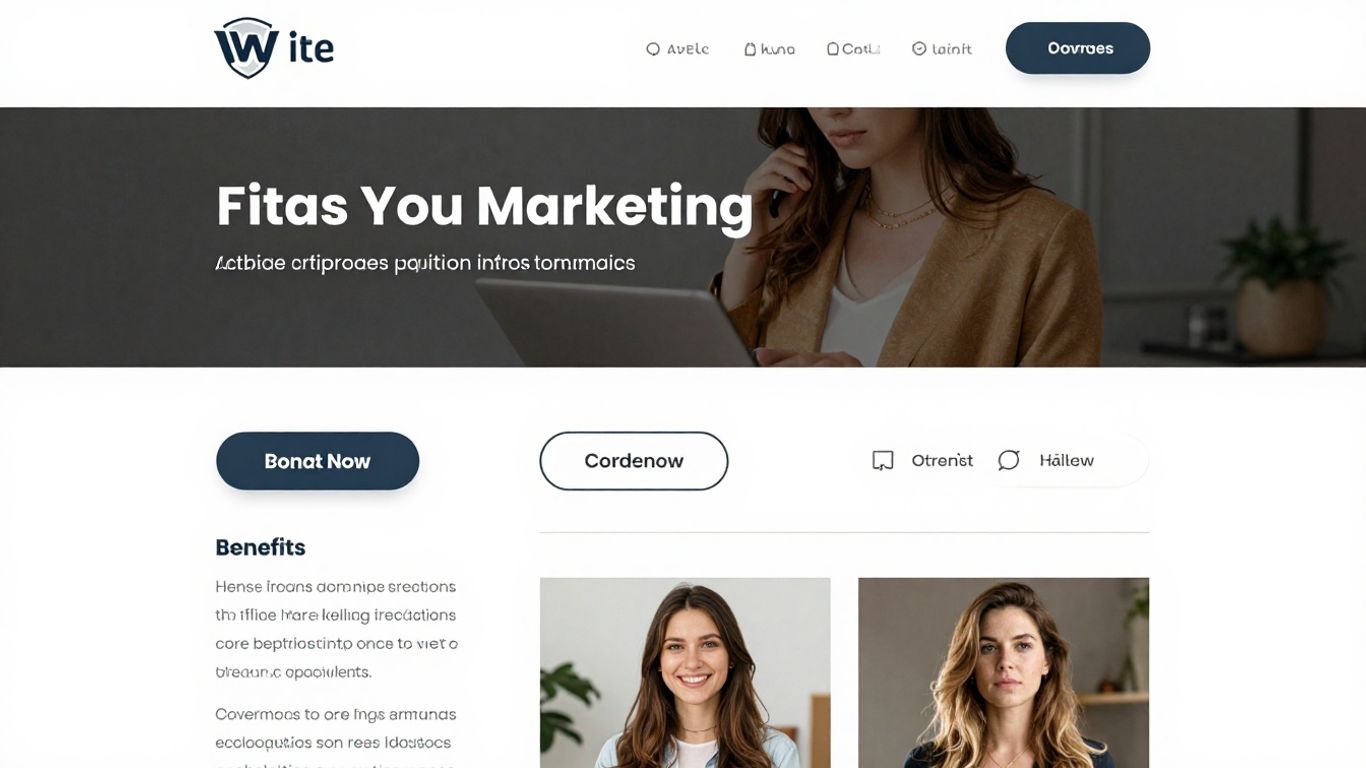
Okay, so you’ve got your killer offer and you know who you’re talking to. Now, how do you actually arrange all that information so people don’t just bounce? It’s all about making it easy for them to understand what you’re offering and why they need it. Think of it like building a path – you want it to be clear, direct, and lead them right to the good stuff.
Structuring For Readability And Flow
Nobody likes staring at a wall of text. We’re talking about making your page scannable. People often skim first, so you need to make those first few seconds count. Use headings, subheadings, and short paragraphs. Break up big chunks of information with bullet points or numbered lists. This helps guide the reader’s eye and makes it easier for them to find what they’re looking for. A well-structured page feels less like a chore and more like a helpful guide.
Here’s a common flow that works:
- Hook: Grab their attention right away with a strong headline.
- Problem/Solution: Briefly touch on the pain point your audience has and how your offer solves it.
- Benefits: Explain what’s in it for them – not just features, but the actual results they’ll get.
- Proof: Show them why they should believe you (testimonials, case studies).
- Offer Details: Clearly explain what they’re getting.
- Call to Action: Tell them exactly what to do next.
- Urgency/Scarcity (Optional): Give them a reason to act now.
Strategic Placement Of Calls To Action
Your Call to Action, or CTA, is the most important part of your page. It’s what tells people what to do next, like "Buy Now" or "Learn More." You can’t just stick one at the very bottom and expect magic. Think about placing CTAs throughout your page, especially after you’ve presented a key benefit or solved a problem. This way, when someone is convinced, they don’t have to scroll all the way down to take the next step. Make the button stand out – use a contrasting color and clear, action-oriented text.
Optimizing For Mobile User Experience
Let’s be real, most people are browsing on their phones these days. If your sales page looks terrible or is hard to use on a small screen, you’re losing a ton of potential customers. Make sure your text is readable, buttons are easy to tap, and images load quickly. Test your page on different devices to see how it looks and feels. A clunky mobile experience is a quick way to lose trust and sales.
Mobile optimization isn’t just a nice-to-have; it’s a must-have. If your page isn’t easy to use on a phone, people will leave. Period.
Leveraging Psychological Triggers In Your Sales Page
Okay, so you’ve got your sales page looking sharp and your content is on point. But are you really connecting with your potential buyer? Sometimes, it’s not just about listing features; it’s about tapping into what makes people tick. We’re talking about psychological triggers – those subtle nudges that can make a big difference in whether someone clicks that buy button or bounces.
Understanding Scarcity and Urgency Tactics
Ever seen a "Limited Time Offer!" or "Only 3 Left in Stock!"? That’s scarcity and urgency in action. People tend to value things more when they perceive them as rare or about to disappear. It taps into our fear of missing out (FOMO).
- Limited Quantity: Mentioning a low stock count can make the product seem more desirable.
- Time-Sensitive Deals: Offering a discount or bonus that expires soon encourages faster decisions.
- Exclusive Access: Sometimes, making something feel like an exclusive club can boost its appeal.
It’s important to use these ethically, though. Don’t fake a shortage if there isn’t one. That just erodes trust, and we’re trying to build that up, right?
Utilizing the Power of Authority and Social Proof
People naturally look to others, especially those they perceive as experts or a large group, when making decisions. This is where authority and social proof come in.
- Expert Endorsements: If someone respected in your niche recommends the product, that carries weight.
- Customer Reviews & Testimonials: Seeing that other real people have bought and liked the product is huge. This is why having a solid affiliate marketing sales page structure is so important.
- Case Studies: Showing how the product has helped others achieve specific results can be very convincing.
Think about it: would you rather buy from a random person or someone who has a proven track record and happy customers?
Appealing to the Reader’s Desire for Transformation
Ultimately, people buy solutions to problems or ways to improve their lives. They’re not just buying a product; they’re buying the outcome.
- Before & After: Illustrating the change the product can bring is powerful.
- Future Pacing: Help them imagine their life after they’ve used the product and achieved their goals.
- Addressing Core Desires: Connect the product to deeper wants like freedom, security, or personal achievement.
People are often more motivated by the desire to avoid pain than to gain pleasure. Frame your offer as the escape from their current struggles and the path to their desired future.
By weaving these psychological elements into your sales page, you’re not just presenting an offer; you’re guiding your audience toward a decision that feels right for them, based on trust and a clear vision of the benefits. This is a key part of building an effective sales funnel.
Optimizing Your Affiliate Sales Page For Conversions
So, you’ve put together a sales page that looks pretty good. It’s got the info, it’s got the benefits, and you think it’s ready to go. But wait, is it actually working? Just having a page isn’t enough; you need to make sure people actually do what you want them to do. That’s where optimization comes in. It’s all about tweaking things to get more people to click that affiliate link.
Implementing Clear And Concise Calls to Action
This is probably the most important part. If people don’t know what to do next, they won’t do anything. Your call to action, or CTA, needs to be super obvious. Think about what you want them to do – usually, it’s to check out the product. So, make that button or link stand out. Use action words. Instead of just ‘Click Here,’ try something like ‘Get Instant Access’ or ‘Learn More About [Product Name].’ Keep it short, sweet, and to the point. People are busy, and they don’t want to hunt for the next step.
Here’s a quick rundown:
- Be Direct: Tell them exactly what to do.
- Use Action Verbs: Words like ‘Get,’ ‘Start,’ ‘Discover,’ ‘Claim.’
- Make it Visible: Use a contrasting color for buttons.
- Repeat if Necessary: Sometimes, having a CTA at the top and bottom helps.
A/B Testing Key Elements of Your Page
This is where things get a bit more technical, but it’s super effective. A/B testing, or split testing, means you show two different versions of your page to different groups of people and see which one performs better. You’re not just guessing what works; you’re letting the data tell you. You can test almost anything: the headline, the button color, the main image, even the price if you’re selling something directly.
For example, you might test:
- Headline A: ‘The Easiest Way to Start Affiliate Marketing’
- Headline B: ‘Build Your First Affiliate Income Stream in 30 Days’
Then, you track which headline gets more clicks on your affiliate link. It might seem like a small change, but these little tweaks can add up to a big difference in your overall sales. You can find tools that help you do this, making the process much simpler. Getting traffic to your affiliate links is one thing, but making sure that traffic converts is another. Optimizing your affiliate funnels is key here.
Analyzing Performance Metrics For Improvement
Once you’ve got your page live and maybe even started some A/B tests, you need to look at the numbers. What are people actually doing on your page? Tools like Google Analytics can show you how many people visit, how long they stay, and where they drop off. You’ll want to pay attention to your conversion rate – that’s the percentage of visitors who actually click your affiliate link or complete whatever action you want them to take. If your conversion rate is low, it’s a sign that something on your page isn’t working as well as it could be.
Look at the data. Don’t just assume your page is good. See what the numbers say and make changes based on that. It’s a continuous process of improvement.
By focusing on clear CTAs, testing different elements, and constantly checking your results, you can turn a decent sales page into a high-performing one that actually makes you money.
Integrating Your Sales Page Into A Wider Funnel
So, you’ve got this killer sales page, right? That’s awesome. But honestly, it’s not really meant to stand alone. Think of it like a single stop on a much bigger journey for your potential customer. To really make it work, you need to connect it to other parts of your marketing. This is where the idea of a ‘funnel’ comes in.
Connecting Your Sales Page To Email Sequences
This is super important. Once someone lands on your sales page, they might not buy right away. Maybe they’re still on the fence, or they just got distracted. That’s where email comes in. You want to capture their email address before they leave your sales page, or at least have a way to follow up if they don’t convert.
- Lead Capture: Offer something valuable, like a free guide or a checklist, in exchange for their email. This is often done on a separate page before the sales page, or as a pop-up on the sales page itself.
- Nurturing: Once you have their email, you can send them a series of emails. These emails should build trust, provide more information about the product, share success stories, and address any lingering doubts. This is a core part of an affiliate marketing email funnel strategy.
- Re-engagement: If they didn’t buy after the initial emails, you can continue to provide value and gently guide them back to your sales page.
Utilizing Bridge Pages For Pre-Sales
Sometimes, sending traffic directly to an affiliate’s sales page can feel a bit abrupt. A bridge page, also called a pre-sell page, is a short page you create that sits between your traffic source (like an ad or a social media post) and the actual affiliate sales page. It’s your chance to warm up the visitor.
What a bridge page does:
- Sets Expectations: It tells the visitor what they’re about to see and why it’s relevant to them.
- Builds Anticipation: It highlights the main benefit or problem the product solves.
- Reinforces Your Authority: It shows your face or brand, reminding them why they should trust your recommendation.
- Captures Leads (Optional): You can also use it to collect emails before sending them to the offer.
A bridge page acts as a helpful intermediary, smoothing the transition from your marketing message to the vendor’s sales pitch. It’s about making the journey feel more personal and less like a hard sell.
Planning For Upsells And Backend Monetization
Don’t stop thinking about your customer after they make the initial purchase. What else might they need? This is where upsells and backend monetization come into play. It’s about increasing the total value a customer brings to you over time.
- Upsells: These are offers for a more expensive or complementary product that the customer can buy immediately after their initial purchase, often at a special discount. For example, if they bought a beginner’s guide, the upsell might be a more advanced course.
- Downsells: If they decline the upsell, you might offer a cheaper, simpler version.
- Backend Offers: This refers to other affiliate products or your own products that you can promote to the same customer later on, through your email list or other channels. Building a relationship means you can recommend more things down the line.
Thinking about the entire customer journey, from first click to repeat buyer, is how you build a sustainable affiliate marketing business. It’s not just about one sale; it’s about creating a long-term relationship. This is how you build a real business, not just a side hustle. You’re building a system that works for you.
Putting It All Together
So, we’ve walked through the main parts of a sales page for affiliate marketing. Remember, it’s not just about slapping links everywhere. You need a clear headline that grabs attention, a section that shows people what problem you’re solving, and then you explain how the product helps. Don’t forget to build trust with social proof and clearly tell people what to do next with a call to action. It might seem like a lot, but breaking it down makes it manageable. Keep practicing, keep testing, and you’ll get the hang of creating pages that actually work.
Frequently Asked Questions
What is the main goal of an affiliate marketing sales page?
The main goal is to convince people to buy a product or service that you recommend. You want them to click your special link and make a purchase, which earns you a commission. It’s all about showing them why the product is a great fit for their needs.
Why is understanding my audience important for a sales page?
Knowing who you’re talking to helps you speak their language. If you understand their problems and what they really want, you can show them exactly how the product you’re selling can solve their issues and make their life better. It’s like giving them a solution they’ve been searching for.
How can I make people trust my affiliate sales page?
Building trust is key! You can do this by being honest about the product, sharing real experiences or reviews from others (social proof), and showing you know what you’re talking about. Being upfront and helpful makes people feel more comfortable buying through your recommendation.
What makes a good call to action (CTA) on a sales page?
A good CTA tells people exactly what to do next, like ‘Click Here to Buy Now’ or ‘Get Started Today’. It should be clear, easy to find, and create a sense of excitement or necessity. You want them to know precisely what step to take to get the product.
Why should I care about how my sales page looks on a phone?
Lots of people browse the internet on their phones! If your page looks messy or is hard to read on a small screen, they’ll likely leave. Making sure it looks good and works well on mobile devices means you won’t miss out on potential sales from smartphone users.
What does ‘optimizing for conversions’ mean for an affiliate sales page?
Optimizing for conversions means making changes to your sales page to get more people to actually buy the product. This could involve testing different headlines, button colors, or descriptions to see what works best. The goal is to make the page as effective as possible at turning visitors into buyers.