

Getting started with affiliate marketing can feel like a lot, right? There’s so much information out there, it’s easy to get lost. This affiliate marketing checklist is designed to cut through the noise. We’ll walk through the basics, how to set things up, get people to see your offers, and even how to make more money over time. Think of it as your straightforward guide to making this whole affiliate thing work for you. No fluff, just the steps you need.
Key Takeaways
- Understand the core idea of affiliate marketing: you promote products and earn a commission when someone buys through your link.
- Pick a topic you know or care about, and check if people are actually buying things in that area. This makes it easier to create content and find good products to promote.
- You don’t always need a fancy website or a big social media following to start. There are ways to begin even with limited resources.
- Getting people to see your affiliate links is key. This involves learning about how search engines work (SEO) and how to get people to sign up for your email list.
- To make sales, you need to guide people. This means creating helpful content, like reviews, and making it clear what action you want them to take.
Understanding Affiliate Marketing Fundamentals
Alright, let’s get down to the nitty-gritty of affiliate marketing. Think of it as a way to make money by recommending products or services you like. When someone buys through your special link, you get a cut. It sounds simple, and honestly, it can be, but there’s more to it than just slapping links everywhere. The real goal is to help people solve problems or achieve goals by suggesting the right solutions.
Affiliate Marketing Step By Step For Beginners
Getting started doesn’t have to be complicated. Here’s a basic rundown:
- Pick Your Niche: What topics are you interested in? What problems can you help people solve?
- Find Affiliate Programs: Look for companies that offer products or services related to your niche.
- Build Your Platform: This could be a blog, a YouTube channel, or even just a social media profile.
- Create Content: Share helpful information, reviews, or tutorials related to your niche.
- Add Affiliate Links: Naturally weave your affiliate links into your content where they make sense.
- Drive Traffic: Get people to see your content.
- Analyze and Adjust: See what’s working and do more of that.
It’s a process, and it takes time. Don’t expect overnight riches. Many beginners get discouraged because they think it’s a get-rich-quick scheme, but it’s really about building a business.
Choosing A Profitable Affiliate Niche
This is where a lot of people get stuck. You want something you’re interested in, but also something that people are actually spending money on. Think about your hobbies, your job, or even problems you’ve overcome. For example, if you love gardening, you could focus on organic gardening supplies. If you’re good with tech, maybe reviewing gadgets. The key is to find a balance between passion and profit. You don’t want to pick something so broad that you get lost in the noise, but not so narrow that there’s no audience.
Best Affiliate Programs For Beginners
When you’re just starting, it’s smart to go with programs that are well-known and have a good reputation. Amazon Associates is a classic for a reason – they have millions of products. Other popular options include ShareASale and ClickBank, which offer a wider variety of digital and physical products. Some programs have higher commission rates, but they might be harder to get approved for or sell products that are more complex. It’s often best to start with a few reliable programs and expand as you get more comfortable. You can find a lot of good options when you start looking into affiliate networks for beginners.
Affiliate Marketing Myths vs Reality
Let’s clear some things up. A big myth is that you need a huge audience or a fancy website from day one. That’s just not true. You can start small, even with affiliate marketing without social media. Another myth is that it’s all about spamming links. Nope. It’s about providing genuine value and recommending products that actually help your audience. The reality is that affiliate marketing takes consistent effort and a willingness to learn. It’s a real business, not a magic button.
Building an affiliate marketing business is a marathon, not a sprint. Focus on helping your audience first, and the income will follow. Be patient, be persistent, and keep learning.
Some people think you need to be an expert in everything you promote. That’s not quite right either. You need to be knowledgeable enough to be helpful and honest, but you don’t need to be a guru. Authenticity goes a long way. If you’re looking for a structured way to learn the ropes, consider programs like the AI Online Business Builder Challenge, which can give you a clear path forward.
Building Your Affiliate Marketing Foundation
Alright, so you’ve got the basics down. You know what affiliate marketing is and maybe even picked a niche. Now comes the part where we actually build something. This isn’t about magic overnight success; it’s about putting in the work to create a solid base for your affiliate business. Think of it like building a house – you need a strong foundation before you can even think about the roof.
How To Build Your First Affiliate Website
Your website is your online home base. It’s where you’ll connect with your audience, share your recommendations, and ultimately, make sales. Don’t get bogged down thinking it has to be super fancy from day one. A simple, clean blog setup is often the best place to start. You want it to be easy for people to find what they’re looking for and for search engines to understand your content.
Here’s a quick rundown of what you’ll need:
- Domain Name: Your website’s address (like
youraffiliatename.com). Pick something memorable and related to your niche. - Web Hosting: This is where your website files live. There are tons of options out there, from budget-friendly to more robust.
- WordPress: A popular and free platform for building websites. It’s flexible and has a huge community for support.
- A Theme: This controls how your website looks. Start with a simple, fast-loading theme.
- Key Pages: You’ll need an About page, a Contact page, and a Privacy Policy page. These build trust.
The goal is to create a user-friendly experience that guides visitors toward helpful resources.
Affiliate Marketing Without Social Media
Lots of people think you have to be all over Instagram or TikTok to succeed. While social media can be a great traffic source, it’s definitely not the only way. In fact, relying solely on social platforms can be risky because you don’t own the audience. Building your own platform, like a website or an email list, gives you more control.
Consider these methods:
- Search Engine Optimization (SEO): Getting your website to rank in Google so people find you when they search for solutions.
- Email Marketing: Building a list of subscribers and sending them valuable content and offers directly.
- Guest Posting: Writing articles for other blogs in your niche to reach their audience.
- Online Communities: Participating helpfully in forums or groups where your target audience hangs out (without spamming).
Building an audience that trusts you is the real game. Whether that’s through search engines, email, or other channels, focus on providing genuine value first.
Can You Start Affiliate Marketing With No Money
This is a common question, and the answer is yes, you absolutely can start affiliate marketing with very little money. It’ll take more time and effort, but it’s doable. The core of affiliate marketing is recommending products, and you don’t need to spend money to do that.
Here’s how to get started on a shoestring budget:
- Free Blogging Platforms: While not ideal long-term, you can start with platforms like Blogger or WordPress.com (free versions).
- Free Email Marketing Tools: Many services offer free plans for small lists, like MailerLite or Mailchimp.
- Focus on Organic Traffic: Pour your energy into SEO and creating great content that attracts visitors naturally. This takes time but costs nothing but your effort.
- Utilize Free Design Tools: Use tools like Canva for basic graphics instead of hiring a designer.
It might take longer to see results, but the key is consistency and providing value. You can always reinvest profits later to upgrade your tools and strategies. Finding the right affiliate programs is also key, and many are free to join, like Amazon Associates or ShareASale.
Affiliate Marketing Blueprint For Beginners
Think of this as your initial roadmap. It’s not about having every single detail figured out, but about having a clear path forward. Many beginners get stuck because they don’t have a plan. They jump from one shiny object to another without building momentum.
Here’s a simplified blueprint:
- Choose Your Niche: Pick something you’re interested in and that has a market.
- Find Affiliate Programs: Look for products or services that fit your niche and audience.
- Build Your Platform: Set up a simple website or blog.
- Create Content: Write helpful articles, reviews, or guides related to your niche.
- Drive Traffic: Focus on SEO and other organic methods to get visitors.
- Build an Email List: Offer something valuable in exchange for email addresses.
- Promote Offers: Naturally recommend affiliate products within your content and emails.
- Analyze and Adjust: See what’s working and what’s not, then tweak your strategy.
This blueprint is about taking consistent action. Don’t aim for perfection; aim for progress. You’re building a real business here, and like any business, it requires a structured approach. Tools like ClickFunnels can help streamline funnel building later on, but start with the basics.
Driving Traffic To Your Affiliate Offers
Okay, so you’ve got your niche picked out, maybe even your first affiliate program lined up. That’s awesome. But here’s the thing: nobody’s going to buy anything if they can’t find your stuff. Getting people to see your affiliate links is the whole game. It’s not magic, it’s just about putting in the work to get eyes on what you’re promoting. The more relevant traffic you get, the more potential sales you’ll see.
SEO For Affiliate Marketing Beginners
Search Engine Optimization, or SEO, is basically making your website or content show up higher in search results, like on Google. For affiliate marketers, this is huge. When someone searches for a product or a solution you can help with, you want to be one of the first things they see. It takes time, sure, but the traffic you get from SEO is often really interested in what you have to say, and that’s good for conversions.
Here’s a quick rundown of what beginners need to focus on:
- Keyword Research: Figure out what terms people are actually typing into search engines. Tools can help with this, but also just think like a potential customer. What would you search for?
- On-Page Optimization: This means making your content itself search-engine friendly. Use your keywords naturally in titles, headings, and the body of your text. Make sure your pages load fast and are easy to read.
- Off-Page Optimization: This is mostly about building links from other reputable websites back to yours. It’s like a vote of confidence. It signals to search engines that your content is trustworthy and important.
How To Rank Affiliate Blog Posts
Ranking blog posts is a big part of SEO. You want your articles to show up when people search for information related to your affiliate products. It’s not just about stuffing keywords in; it’s about creating genuinely helpful content that answers people’s questions thoroughly.
Think about it: if someone is looking for the "best budget laptop for students," and your post gives them a detailed, honest review of a few options, explains the pros and cons, and includes links to where they can buy them, that’s super useful. Google likes to show useful stuff to its users. So, focus on:
- In-depth Content: Go deeper than the surface. Cover all the angles.
- User Experience: Make your posts easy to read with good formatting, short paragraphs, and clear headings.
- Building Authority: Over time, consistently publishing quality content on a specific topic helps establish you as an authority in that niche. This builds trust with both readers and search engines.
Affiliate Marketing Organic Traffic Methods
Organic traffic is basically visitors who find you without you paying directly for ads. It’s often seen as the most sustainable way to grow. Besides SEO, there are other ways to get people to your site naturally.
- Social Media (Strategic Use): While this guide touches on affiliate marketing without social media, using platforms strategically can drive traffic. Think Pinterest for visual niches or YouTube for product reviews. It’s about sharing helpful content that leads back to your affiliate offers.
- Guest Posting: Writing articles for other blogs in your niche can expose you to a new audience and bring them back to your site.
- Community Engagement: Participating in forums or Q&A sites (like Reddit or Quora) where your target audience hangs out can be effective. Answer questions honestly and, where appropriate, link to your helpful content.
Getting traffic isn’t a one-time thing. It’s an ongoing process of creating good content and making sure people can find it. Think of it like tending a garden; you need to water it, weed it, and give it sunlight regularly for it to grow.
Building An Email List For Affiliate Marketing
An email list is gold. Seriously. It’s a direct line to people who have already shown interest in what you offer. You can send them updates, new content, and, yes, your affiliate promotions. It’s a way to build a relationship and keep people coming back.
How do you build one?
- Offer a Lead Magnet: This is something free you give away in exchange for an email address. Think a checklist, a short guide, or a template related to your niche.
- Use Opt-in Forms: Place these forms on your website, often in prominent places like your sidebar, at the end of posts, or in a pop-up.
- Nurture Your List: Don’t just spam people with offers. Send regular, helpful emails that provide value. This builds trust, and when you do promote something, they’re more likely to listen. You can find great email marketing software to help manage this process.
Remember, traffic is the lifeblood of affiliate marketing. Focus on getting the right kind of visitors, and you’ll be well on your way.
Crafting High-Converting Affiliate Funnels
So, you’ve got your niche, you’ve picked some products, and you’re ready to start making sales. But just slapping an affiliate link on a blog post isn’t going to cut it, not if you want to see real results. We need to talk about funnels. Think of a funnel like a guided tour for your potential customer. Instead of just pointing them towards a product and hoping for the best, you’re leading them step-by-step, building trust and showing them why this product is the right choice for them.
Affiliate Marketing Funnel Structure Explained
At its core, an affiliate marketing funnel is about moving someone from being unaware of a problem or solution to becoming a buyer. It’s not just one page; it’s a sequence. You start with something that grabs attention, then you offer value, build trust, and finally, present the offer.
Here’s a basic breakdown:
- Awareness: This is where people first encounter your content. It could be a blog post, a social media update, or a video. The goal here is to attract them and make them aware of a topic or a potential solution.
- Interest: Once they’re aware, you want to pique their interest. This is where you offer more in-depth information, perhaps a free guide or a helpful checklist, in exchange for their email address. This is how you start building your email list.
- Decision: Now that you have their attention and they trust you a bit, you present your affiliate offer. This is where you explain the product, its benefits, and why it’s a good fit for their needs. This could be a detailed review or a comparison.
- Action: This is the final step where you encourage them to click your affiliate link and make a purchase. A clear call to action is super important here.
Bridge Page Strategy For Affiliates
Ever landed on a page that felt a little… off? Maybe it was a bit too salesy right away, or it didn’t quite match the link you clicked. That’s often where a bridge page comes in. A bridge page, sometimes called a pre-sell page, sits between your initial traffic source (like a blog post or ad) and the actual affiliate offer page. Its main job is to connect the dots and build more trust before sending them to the merchant’s site. It’s a chance to reinforce the value proposition and address any lingering doubts.
Think of it like this: You’re introducing your friend to someone new. You wouldn’t just shove them together and walk away. You’d give a little intro, maybe mention why they’d get along. A bridge page does the same for your audience and the product. It’s a smart way to increase your conversion rates.
Writing Affiliate Product Reviews That Convert
Product reviews are a cornerstone of affiliate marketing, but just listing features won’t get you sales. People want to know if a product will actually solve their problem. Be honest. Talk about what you liked, what you didn’t like, and who the product is best suited for. Use real-world examples if you can. Authenticity is key to building trust.
Here’s a quick structure that often works:
- Introduction: Hook the reader and state what product you’re reviewing and why it matters to them.
- Pros: What are the main benefits? How does it help the user?
- Cons: Be transparent about any downsides. This builds credibility.
- Who is it for?: Clearly define the ideal user.
- Alternatives (Optional): Briefly mention other options if relevant.
- Conclusion & Recommendation: Summarize and give your final verdict.
Affiliate Marketing CTA Best Practices
Your Call to Action (CTA) is the final nudge that tells people what to do next. It needs to be clear, concise, and compelling. Don’t be vague. Instead of "Check it out," try something more direct like "Get Started Today" or "Learn More About [Product Name]."
Consider these points:
- Clarity: Make it obvious what you want them to do.
- Urgency/Benefit: Give them a reason to click now (e.g., "Limited Time Offer," "Start Saving Money").
- Placement: Put CTAs where they make sense in your content, not just tacked on at the end.
- Visuals: Use buttons or distinct text formatting to make your CTA stand out.
Remember, a well-crafted funnel guides your audience smoothly, making the decision to click your affiliate link feel like the natural next step.
Essential Tools For Affiliate Success

Alright, so you’ve got the basics down, maybe you’ve even picked a niche and are thinking about your first website. That’s awesome. But to really get things moving and not just spin your wheels, you need the right gear. Think of it like building something – you wouldn’t try to hammer nails with a screwdriver, right? Affiliate marketing is no different. Having the correct tools makes everything smoother, faster, and honestly, a lot less frustrating.
Best Affiliate Marketing Tools
When you’re starting out, it’s easy to get overwhelmed by all the software and services out there. You don’t need everything at once, but there are a few categories that are super important. These are the things that will help you manage your links, track your progress, and understand what’s actually working.
- Website/Blogging Platform: This is where your content lives. WordPress is a popular choice because it’s flexible and has tons of plugins. You’ll need hosting for this, too.
- Email Marketing Service: Building an email list is key for long-term success. Services like Mailchimp, ConvertKit, or AWeber help you collect emails and send messages to your audience.
- Link Tracking Software: You absolutely need to know which links are getting clicked and where they’re leading. This helps you see what’s performing well.
- Keyword Research Tools: To get people to your site, you need to know what they’re searching for. Tools like Ahrefs or SEMrush (though they can be pricey) or even free options like Google Keyword Planner are helpful.
Affiliate Marketing Tech Stack Setup
Setting up your tech stack doesn’t have to be complicated. The goal is to have a system that works together. For beginners, a simple setup might look like this:
- Domain Name & Hosting: Your website’s address and where it lives online.
- WordPress Installation: Most hosts make this easy.
- Email Marketing Software: Connect it to your website to collect leads.
- Affiliate Link Management Plugin: Helps organize and track your links within WordPress.
- Analytics: Google Analytics is a must-have for understanding your traffic.
You don’t need the most expensive tools to start. Focus on getting the core functions covered first. As you grow and your income increases, you can reinvest in more advanced tools. The most important thing is to have a system that helps you track your results and understand your audience.
Best Analytics Tools For Affiliates
Data is your best friend in affiliate marketing. Without it, you’re just guessing. Analytics tools show you what’s working and what’s not, so you can focus your efforts.
- Google Analytics: This is non-negotiable. It tells you how much traffic you’re getting, where it’s coming from, what pages people visit, and how long they stay. It’s free and powerful.
- Affiliate Network Dashboards: Most affiliate networks (like Amazon Associates, ShareASale, etc.) have their own reporting dashboards. These show you clicks, sales, and commissions directly from their platform.
- Website Analytics Plugins: Some WordPress plugins can give you a quick overview of your site’s performance right inside your dashboard.
Affiliate Marketing Tracking Software
Tracking is where the money is made. You need to know which campaigns, which posts, and which links are actually driving sales. This helps you double down on what works and cut what doesn’t. Tools can range from simple link shorteners with tracking to more advanced platforms that monitor entire funnels. For beginners, a good affiliate link management plugin for your website is a solid start. As you get more serious, you might look into dedicated tracking software that can handle more complex campaigns, especially if you start running paid ads. Getting a handle on this early on will save you a lot of headaches and lost income down the road. It’s all part of building a solid affiliate marketing blueprint for beginners.
Developing The Right Mindset For Growth
Building a successful affiliate marketing business isn’t just about knowing the technical stuff or finding the best programs. Honestly, a huge part of it comes down to what’s going on in your head. You’ve got to get your mindset right if you want to see real growth.
Overcoming Imposter Syndrome In Affiliate Marketing
Ever feel like you’re just faking it until you make it? That’s imposter syndrome, and it’s super common, especially when you’re starting out. You see others who seem to have it all figured out, and you wonder if you even belong in this space. The key is to remember that everyone starts somewhere. Nobody was born an expert. Focus on the progress you’re making, not on comparing yourself to others who are further along. Celebrate small wins. Did you write your first review? That’s a win. Did you get your first click? Another win. Keep track of these little victories; they add up and help build your confidence.
Affiliate Marketing Discipline vs Motivation
Motivation is great, it gets you started. It’s that initial spark that makes you want to build an affiliate site or write that first blog post. But motivation? It comes and goes. It’s like a wave. Discipline, on the other hand, is what keeps you going when the motivation dips. It’s about showing up even when you don’t feel like it. It’s about sticking to your daily habits for success even when results aren’t immediate. Think of it like going to the gym. Some days you’re pumped, other days you’d rather stay on the couch. Discipline is what gets you to the gym anyway. In affiliate marketing, this means consistently publishing content, engaging with your audience, and learning, regardless of how you feel.
How To Stay Consistent In Affiliate Marketing
Consistency is the name of the game. Without it, you’re just spinning your wheels. It’s not about working 16-hour days; it’s about showing up regularly. Here’s a simple breakdown:
- Set Realistic Goals: Don’t aim to make $10k in your first month. Aim for your first sale, then your first $100. Break down big goals into smaller, manageable steps.
- Create a Schedule: Block out specific times each week for your affiliate marketing tasks. Treat these like appointments you can’t miss.
- Track Your Progress: Seeing how far you’ve come is a great motivator. Use a simple spreadsheet or a notebook to log your activities and results.
- Find an Accountability Partner: Sometimes, just knowing someone else is working towards similar goals can make a big difference.
Building an online income stream takes time and consistent effort. It’s a marathon, not a sprint. Focus on providing genuine value and helping your audience, and the income will follow.
Affiliate Marketing Growth Mindset
A growth mindset means believing that your abilities and intelligence can be developed through dedication and hard work. It’s the opposite of a fixed mindset, where you believe your qualities are set in stone. When you face challenges in affiliate marketing, like a post not ranking or a campaign not converting, a growth mindset sees these as opportunities to learn and improve, not as proof that you’re not cut out for this. It’s about asking "What can I learn from this?" instead of "Why am I failing?" This perspective shift is vital for long-term success and adapting to the ever-changing online world.
Scaling Your Affiliate Marketing Income
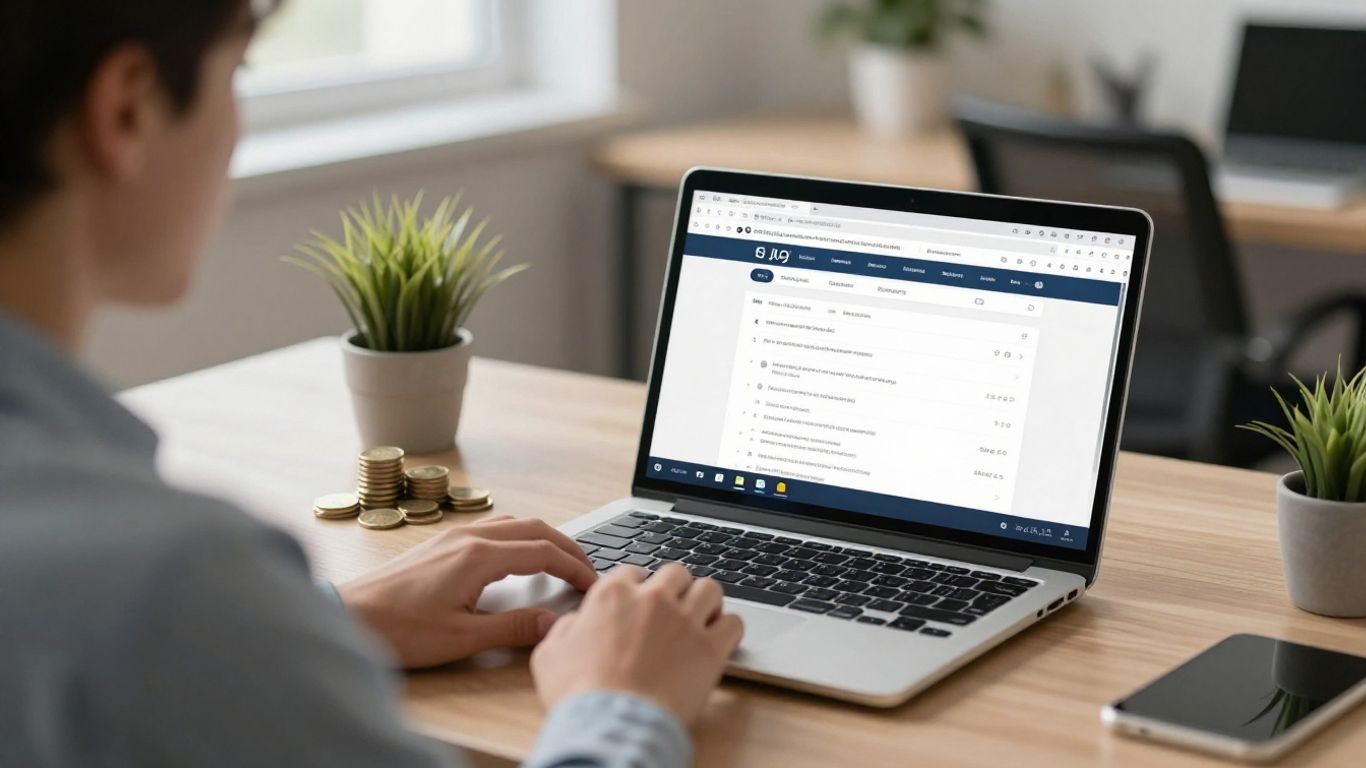
Alright, so you’ve built your foundation, you’re getting traffic, and maybe even seeing some sales. That’s awesome! But what if you want to move beyond pocket money and really start making a living? Scaling your affiliate marketing income is the next logical step. It’s not about magic tricks; it’s about smart strategies and consistent effort.
How To Scale Affiliate Marketing Income
Scaling isn’t just about doing more of the same. It’s about working smarter. Think about what’s working best right now and how you can amplify that. Are certain types of content bringing in more clicks? Are specific products converting better? Double down on those winners. It might also mean expanding your reach, perhaps into new platforms or by offering more value to your existing audience. The key is to identify your most profitable activities and then find ways to do more of them.
Here are a few ways to start thinking about scaling:
- Diversify Your Traffic Sources: Don’t rely on just one method. If SEO is your main driver, explore paid ads or social media to bring in more visitors. If you’re already doing well with email, see if you can grow your list faster.
- Expand Your Product Offers: Look for complementary products or higher-ticket items within your niche. Sometimes, a single sale of a more expensive product can be worth dozens of lower-priced ones.
- Optimize Your Funnels: Are your bridge pages and email sequences as effective as they could be? Small improvements here can lead to big gains in conversions.
- Outsource Repetitive Tasks: As you grow, you’ll find yourself spending time on things that don’t directly make you money. Consider hiring freelancers for content creation, social media management, or even customer support if needed.
Affiliate Marketing 10k Per Month Strategy
Hitting the $10k per month mark is a significant milestone for many affiliate marketers. It usually requires a more robust strategy than just publishing a few blog posts. Often, this involves:
- Building Authority: Becoming a recognized name in your niche. This means consistent, high-quality content and genuine engagement with your audience. People buy from those they trust.
- Advanced SEO: Moving beyond basic keyword targeting to building topical authority and focusing on user intent. This helps you rank for more competitive terms.
- Email List Growth & Monetization: A well-nurtured email list is gold. You can promote offers directly, build relationships, and create automated sequences that sell.
- Strategic Paid Traffic: If your numbers make sense, using paid ads (like Google Ads or Facebook Ads) can significantly speed up traffic generation and sales. You need to track your ROI carefully, though.
- High-Ticket Offers: Promoting products with higher commission rates can drastically reduce the number of sales you need to hit your income goals.
Reaching $10k a month isn’t usually an overnight success story. It takes time, consistent effort, and a willingness to adapt your strategies as you learn what works best for your audience and your chosen niche. Don’t get discouraged if it takes longer than you initially hoped; affiliate marketing requires patience.
Affiliate Marketing Scaling Roadmap
Think of this as your GPS for growth. It’s not set in stone, but it gives you a direction.
- Analyze Current Performance: What are your top-performing posts, products, and traffic sources? Where are you getting the most bang for your buck?
- Identify Bottlenecks: What’s holding you back? Is it traffic, conversions, or a lack of good offers?
- Set Clear Goals: What does scaling look like for you? More income? More passive income? More freedom?
- Implement One New Strategy at a Time: Don’t try to do everything at once. Pick one area to focus on, like improving your email opt-in rates or testing a new ad campaign.
- Track and Measure Everything: Use analytics tools to see if your new strategies are working. Adjust as needed.
- Reinvest Profits: Consider putting some of your earnings back into your business. This could be for better tools, outsourcing, or paid advertising.
- Stay Updated: The online marketing world changes fast. Keep learning and adapting.
Scaling is a marathon, not a sprint. It’s about building systems that work for you, allowing you to earn more without necessarily working more hours. Keep pushing, keep learning, and you’ll get there.
Ready to Get Started?
So, you’ve made it through the checklist. It might seem like a lot at first, but remember, affiliate marketing is a journey, not a race. We’ve covered the basics, from picking your niche to getting those first few sales. Don’t get discouraged if things don’t click right away. Keep learning, keep trying new things, and most importantly, stay consistent. You’ve got this. Now go out there and start building something for yourself.
Frequently Asked Questions
What exactly is affiliate marketing?
Think of affiliate marketing like being a helpful friend who tells others about cool stuff they like. When you recommend a product or service to someone, and they buy it using your special link, you get a small payment. It’s a way to earn money by sharing things you believe in.
Do I need a lot of money to start?
Nope! You can totally start affiliate marketing without spending much cash. Many people begin with just a free blog or social media account. The key is putting in the effort to create helpful content and share your links.
How long does it take to make money?
It’s not a get-rich-quick thing. Building a successful affiliate business takes time and consistent work. Some folks see results in a few weeks, while for others, it might take several months. Patience and sticking with it are super important.
What’s the best way to find products to promote?
Look for products or services that you genuinely use or would recommend. Think about what problems people have that these products can solve. Joining affiliate networks or checking if companies have their own programs are good starting points.
Do I need a website to do this?
While a website is a great tool, it’s not the only way. You can also use social media platforms, YouTube, or even email lists to share your affiliate links. The goal is to reach people who might be interested in what you’re promoting.
What if I don’t know anything about marketing?
That’s okay! Affiliate marketing is a journey. Start by learning the basics, like how to create helpful content. There are tons of free resources and guides out there to help you understand how to connect with people and share your recommendations effectively.