
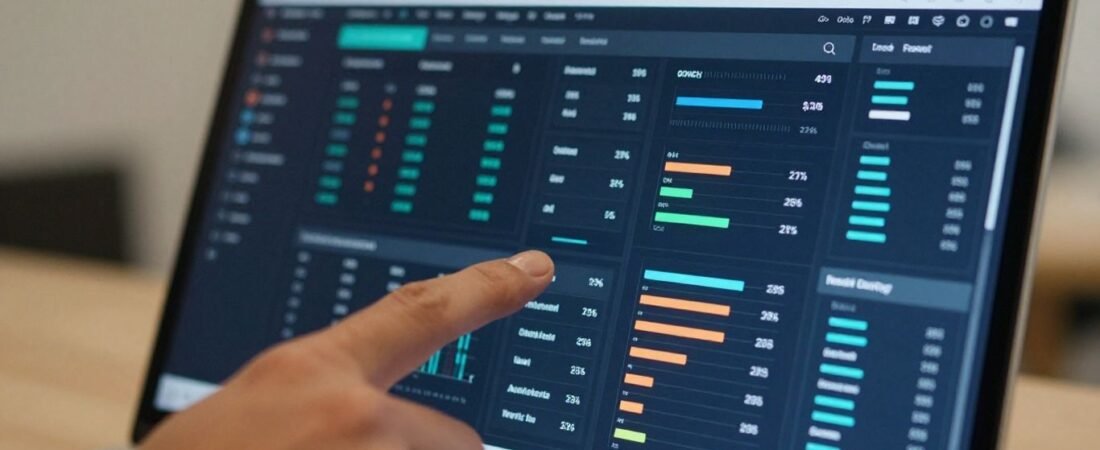
So, you’re looking into affiliate marketing automation tools review, huh? It sounds fancy, but really, it’s just about making your online business work smarter, not harder. Think of it like having a helpful assistant that handles the repetitive stuff so you can focus on what actually brings in the money. We’ll break down what these tools are, why you might need them, and how to pick the right ones for your journey.
Key Takeaways
- Affiliate marketing automation tools help manage and streamline repetitive tasks in your online business.
- These tools can improve efficiency, save time, and potentially boost your earnings.
- Understanding your affiliate marketing funnel is key to knowing which automation features will help you the most.
- Choosing the right software stack involves looking at tools for traffic, conversions, and analysis.
- A good affiliate marketing automation tools review will help you compare options and make a smart decision for your business goals.
Understanding Affiliate Marketing Automation Tools
So, you’re looking into affiliate marketing and hearing a lot about automation. It sounds fancy, right? But what does it actually mean for someone just starting out? Basically, affiliate marketing automation tools are software programs designed to handle repetitive tasks in your affiliate business. Think of them as your digital assistants, working behind the scenes so you don’t have to. They help streamline processes, saving you time and, honestly, a lot of headaches.
What Are Affiliate Marketing Automation Tools?
These tools automate various parts of the affiliate marketing process. Instead of manually sending emails, tracking clicks, or posting on social media, these programs can do it for you. They’re built to make your workflow smoother and more efficient. The goal is to free up your time so you can focus on the bigger picture stuff, like strategy and creating great content. It’s not about replacing your effort, but about making your effort go further.
Key Features of Automation Tools for Affiliates
When you’re looking at these tools, you’ll see a few common features pop up:
- Email Marketing Automation: This is a big one. Tools can send out welcome emails, follow-up sequences, and promotional messages automatically based on subscriber actions. It helps build relationships with your audience without you having to be online 24/7.
- Social Media Scheduling: You can plan and schedule your social media posts in advance. This means you can batch your content creation and then let the tool publish it at optimal times.
- Lead Nurturing: Automation can help you guide potential customers through a sales funnel. This might involve sending specific content or offers based on their interests.
- Performance Tracking: Many tools integrate with affiliate networks or have their own tracking capabilities to monitor clicks, conversions, and earnings.
- Landing Page Builders: Some platforms offer tools to quickly create landing pages or bridge pages to direct traffic effectively.
Benefits of Using Automation in Affiliate Marketing
Why bother with all this tech? Well, the advantages are pretty clear:
- Time Savings: This is the most obvious benefit. Automating tasks frees up hours each week.
- Increased Efficiency: Tasks get done consistently and on time, without human error.
- Improved Lead Management: You can capture and nurture leads more effectively, leading to better conversion rates.
- Scalability: As your business grows, automation helps you handle a larger volume of work without needing to hire a huge team right away.
- Better Audience Engagement: Automated email sequences can keep your audience engaged and informed, building trust over time. You can find some great AI tools for affiliate marketing that can help with content creation and other tasks.
Automation in affiliate marketing isn’t about cutting corners; it’s about working smarter. It allows you to build a more robust and sustainable online business by handling the repetitive work, so you can focus on growth and connection.
Essential Tools for Your Affiliate Marketing Tech Stack

Alright, so you’re getting into affiliate marketing, and you’re wondering what kind of software you actually need. It can feel like a lot at first, with all the different options out there. But think of it like building a house – you need the right tools to get the job done properly. You don’t need the most expensive stuff right away, but having a solid foundation makes everything else easier.
Building Your Affiliate Marketing Tech Stack
Your tech stack is basically the collection of tools you use to run your affiliate business. It’s not just about having a website; it’s about how you manage your content, connect with your audience, and track your results. For beginners, it’s smart to start with the basics and add more as you grow. You want tools that work together without being overly complicated.
Here’s a look at what most affiliate marketers find useful:
- Website/Blogging Platform: This is where your content lives. WordPress is a popular choice because it’s flexible and has tons of plugins.
- Email Marketing Service: You need a way to collect email addresses and send messages to your subscribers. Think Mailchimp, ConvertKit, or similar.
- Analytics Tool: To see what’s working and what’s not. Google Analytics is free and powerful.
- Keyword Research Tool: To find out what people are searching for. Tools like Ahrefs or SEMrush are great, but there are simpler options too.
- Link Management: To keep your affiliate links organized and sometimes to cloak them (make them look cleaner).
Top Affiliate Marketing Software Comparisons
Choosing software can be tough. Here’s a quick look at some categories and what to consider:
| Tool Category | Popular Options | Key Considerations |
|---|---|---|
| Website Builder | WordPress, Systeme.io, ClickFunnels | Ease of use, customization, cost, integration |
| Email Marketing | ConvertKit, MailerLite, ActiveCampaign | Automation features, pricing, deliverability, list size |
| SEO & Keyword Research | Ahrefs, SEMrush, Ubersuggest, Google Keyword Planner | Accuracy, features, cost, learning curve |
| Analytics & Tracking | Google Analytics, ClickMagick, RedTrack | Data accuracy, ease of reporting, cost, specific needs |
Remember, the "best" tool often depends on your specific needs and budget. Don’t get caught up in having the most tools; focus on the ones that help you achieve your goals.
Crucial Tools for Affiliate Marketing Success
Beyond the basics, some tools can really make a difference. Think about what parts of your business take up the most time or where you feel you’re struggling.
- Landing Page Builders: If you want to create dedicated pages to capture leads or promote specific offers, these are super helpful. They often come with templates to make things faster.
- Content Creation Aids: As you scale, you might look into AI writing assistants to help brainstorm or draft content, but always edit and add your own voice.
- Project Management: Keeping track of tasks, content schedules, and promotions can get messy. Tools like Trello or Asana can help organize your workflow.
Building your tech stack is an ongoing process. Start with what you can manage and afford, and gradually add tools that solve specific problems or help you grow more efficiently. It’s about working smarter, not just harder.
Don’t feel pressured to buy everything at once. Many tools offer free trials, so you can test them out before committing. The goal is to create a system that supports your efforts and helps you connect with your audience in a meaningful way.
Leveraging Automation for Affiliate Funnels and Conversions
Alright, let’s talk about making things happen with your affiliate marketing. Building a funnel might sound complicated, but it’s really just a path you guide people down to get them interested in what you’re promoting. Automation tools are your best friends here, taking a lot of the repetitive work off your plate so you can focus on the bigger picture.
Affiliate Marketing Funnel Structure Explained
Think of a funnel like a sieve. You pour a lot of potential customers in the top, and a smaller, more interested group comes out the bottom ready to buy. A typical affiliate funnel has a few key stages:
- Awareness: This is where people first hear about you or the problem you solve. It could be through a blog post, social media, or an ad.
- Interest: They’re curious now. They might click a link to learn more, maybe sign up for a freebie.
- Decision: They’re comparing options. This is where you show them why your recommended product is the best fit.
- Action: They buy! This is the conversion you’ve been working towards.
The goal is to move people smoothly from one stage to the next. Automation helps by sending the right messages at the right time, keeping them engaged without you having to manually send every email or post.
Optimizing Affiliate Marketing Conversions
Getting someone to click is one thing, but getting them to buy is the real win. Conversion optimization is all about tweaking your funnel to get more people to take that final action. This means looking at things like:
- Landing Page Design: Is it clear what you want them to do? Is it easy to understand?
- Call-to-Action (CTA) Buttons: Are they prominent and compelling? Do they tell people exactly what to do?
- Offer Presentation: Are you clearly explaining the benefits of the product and why it solves their problem?
- Trust Signals: Do people trust you and the product? Reviews, testimonials, and clear disclosures help a lot.
Tools can help you test different versions of your pages or emails to see what works best. For instance, you could use A/B testing to compare two different headlines and see which one gets more clicks. Building effective funnels is key, and there are great resources like sales funnel software that can simplify the process.
Email Sequence Blueprints for Affiliate Marketing
Email marketing is where automation really shines for affiliates. Instead of sending individual emails, you set up automated sequences that trigger based on a user’s actions. For example, when someone downloads your free guide, they automatically get a series of emails over the next week.
Here’s a simple sequence idea:
- Email 1 (Immediate): Deliver the freebie and thank them. Briefly introduce yourself and what they can expect.
- Email 2 (Day 2): Share a related tip or a common problem people face in that area. Hint at a solution.
- Email 3 (Day 4): Introduce the affiliate product as a solution to the problem discussed in Email 2. Focus on benefits.
- Email 4 (Day 6): Share a case study or testimonial about the product. Address potential objections.
- Email 5 (Day 7): A final reminder or a special offer (if applicable). Encourage them to take action.
Building trust over time is more effective than a hard sell. People buy from those they know, like, and trust. Automated email sequences help you build that relationship consistently, even when you’re not actively online.
By automating these sequences, you’re not just saving time; you’re creating a more consistent and effective way to guide your audience toward making a purchase, turning passive interest into active sales.
Driving Traffic with Automation Tools
Getting people to see your affiliate offers is half the battle, right? You can have the best review in the world, but if no one reads it, it doesn’t do much. Luckily, there are tools that can help automate parts of this process, making it easier to get eyes on your content. We’re talking about getting more visitors, and more importantly, the right kind of visitors.
SEO Tools for Affiliate Marketing
Search engines are a huge source of free traffic if you play your cards right. Tools can help you figure out what people are actually searching for and how to rank for those terms. Think about keyword research – finding those golden phrases that have decent search volume but aren’t impossible to rank for. Automation tools can help you track your rankings, find new keyword ideas, and even suggest internal linking strategies to keep people on your site longer. This is how you build a sustainable traffic source.
Here’s a quick look at what these tools can do:
- Keyword Research: Discover terms your audience uses.
- Rank Tracking: Monitor your position in search results.
- On-Page Optimization: Get suggestions for improving your content.
- Competitor Analysis: See what’s working for others in your niche.
Paid Traffic Strategies for Affiliates
Sometimes, waiting for organic traffic just isn’t fast enough. Paid ads, like Google Ads or Facebook Ads, can get your offers in front of people quickly. Automation here means setting up campaigns that run themselves, targeting specific demographics and interests. You can automate ad creation, bidding, and even retargeting – showing ads to people who have already visited your site. It takes some upfront work and budget, but when done right, it can bring in targeted traffic fast. Many beginners look for structured blueprints to get started with paid ads, and there are courses that can help with that.
Content Marketing Automation for Affiliates
Content is king, but creating and distributing it consistently can be a grind. Automation tools can help here too. Imagine scheduling social media posts weeks in advance, or using AI to help draft initial blog post outlines. You can also automate email newsletters to keep your audience engaged. Tools can even help distribute your content across different platforms. For instance, some platforms can automatically optimize visitor flow to high-converting combinations of content and offers [e621]. This means your content is working harder for you, even when you’re not actively posting.
The goal with traffic automation isn’t to replace your thinking, but to free up your time. It’s about setting up systems that consistently bring relevant people to your offers, allowing you to focus on creating better content and improving your offers.
Analyzing Performance with Affiliate Marketing Tools
Okay, so you’ve set up your campaigns, you’re driving traffic, and maybe even making some sales. That’s awesome! But how do you know what’s actually working? This is where analytics and tracking tools come in. Without them, you’re basically flying blind. You need to see the numbers to understand where your money is going and where your profits are coming from.
Best Analytics Tools for Affiliates
When you’re starting out, it can feel overwhelming with all the data. But the goal is simple: figure out what drives results. You don’t need a super complicated setup right away. Many platforms offer built-in analytics that are a good starting point. Think about what you want to measure: clicks, conversions, revenue, traffic sources. The right tools help you see this clearly.
Here are a few types of analytics you’ll want to keep an eye on:
- Traffic Sources: Where are your visitors coming from? (e.g., Google, social media, email)
- Click-Through Rates (CTR): How many people click your affiliate links after seeing them?
- Conversion Rates: What percentage of clicks turn into actual sales or leads?
- Revenue Per Click (RPC): How much money are you making for each click on your links?
- Top Performing Content: Which blog posts or pages are bringing in the most affiliate income?
Tracking Software for Affiliate Marketing
Tracking software is your best friend for understanding the customer journey. It helps you see which campaigns are leading to sales and which aren’t. This isn’t just about knowing if a sale happened, but how it happened. Did someone click an ad, then an email, then finally buy? Tracking software can show you that path.
Some tools focus on specific aspects, like tracking individual clicks and sales, while others offer a more holistic view of your entire marketing funnel. It’s important to find software that integrates well with your other tools, like your email marketing service or website platform.
The more data you have, the smarter your decisions will be.
Dashboard Setup for Affiliate Reporting
Your dashboard is your command center. It should give you a quick, at-a-glance view of your most important metrics. Don’t clutter it with data you don’t need. Focus on what matters most for your goals.
When setting up your dashboard, consider:
- Key Performance Indicators (KPIs): What are the 3-5 numbers that tell you if you’re succeeding?
- Visualizations: Use charts and graphs to make data easier to understand quickly.
- Timeframes: Easily switch between daily, weekly, monthly, and yearly views.
- Customization: Can you arrange the dashboard to show what’s most important to you?
Having a well-organized dashboard means you can spend less time digging for information and more time acting on it. It helps you spot trends, identify problems early, and celebrate wins without a lot of extra effort.
Choosing the Right Affiliate Marketing Automation Tools Review
Alright, so you’ve got a handle on what automation can do for your affiliate business. Now comes the big question: which tools are actually worth your time and money? It’s easy to get lost in all the options out there, with everyone promising to be the next big thing. We need to cut through the noise and find what fits your specific needs.
Comparing Affiliate Marketing Automation Platforms
When you’re looking at different platforms, think about what you need them to do. Are you just starting and need something simple to manage your links and emails? Or are you further along and need something that can handle complex funnels and advanced tracking? It’s not a one-size-fits-all situation. Some platforms are built for beginners, offering guided setups, while others are more robust, requiring a bit more technical know-how. The best platform for you is the one that solves your biggest problems without adding unnecessary complexity.
Here’s a quick look at what to consider:
- Ease of Use: How intuitive is the interface? Can you figure it out without a week-long tutorial?
- Features: Does it have the specific automation you need, like email sequences, link cloaking, or landing page builders?
- Integrations: Does it play nice with other tools you’re already using or plan to use?
- Pricing: Does it fit your budget, especially when you’re just starting out?
- Support: What kind of help can you get if you get stuck?
AI Writing Tools for Affiliate Marketing
Let’s talk about content. Creating blog posts, social media updates, and email copy takes time. This is where AI writing tools can really step in. They’re not here to replace your creativity, but to give you a serious boost. Think of them as a super-powered assistant. You can use them to brainstorm ideas, draft outlines, or even write entire sections of content. Tools like ChatGPT can help you get past that blank page feeling. Remember, though, AI-generated content always needs a human touch to make sure it sounds like you and is accurate. It’s about working smarter, not just faster. You can find some great AI writing assistants to help with your content creation here.
Workflow and Project Management Tools for Affiliates
As your affiliate business grows, keeping track of everything can become a challenge. You’ve got content calendars, promotion schedules, competitor research, and maybe even a team to manage. This is where workflow and project management tools come in handy. They help you organize tasks, set deadlines, and collaborate with others if needed. Think of tools like Trello, Asana, or Monday.com. They provide a central place to see what needs to be done, who’s doing it, and when it’s due. This kind of organization is key to staying on track and avoiding missed opportunities. It helps you move from just doing tasks to actually managing a business.
Staying organized isn’t just about looking busy; it’s about making sure the right things get done at the right time. Without a system, even the best ideas can fall by the wayside because you simply can’t keep up with the demands of running an affiliate marketing operation.
Choosing the right tools is a big step, but it’s one that can make a huge difference in how efficiently you can grow your affiliate income.
Scaling Your Affiliate Business with Automation

So, you’ve got the basics down, your tools are set up, and you’re starting to see some results. That’s awesome! But what’s next? If you’re looking to really grow your affiliate income, moving beyond the day-to-day grind is key. This is where scaling comes in, and automation is your best friend here.
Affiliate Marketing Scaling Roadmap
Scaling isn’t just about doing more of the same; it’s about working smarter. Think of it like building a bigger, better machine instead of just adding more workers. A good roadmap helps you see the path forward without getting lost.
Here’s a simple way to think about it:
- Phase 1: Stabilize & Optimize. Make sure your current systems are running smoothly. Are your emails converting? Is your traffic consistent? Fix any leaks before you try to pour more in.
- Phase 2: Expand Reach. This means finding new traffic sources or new offers to promote. Maybe you’ll try a different social platform, explore paid ads more seriously, or partner with other affiliates.
- Phase 3: Systemize & Delegate. This is where automation really shines. You’re setting up systems that run on their own, and if needed, you can start outsourcing tasks that take up too much of your time.
- Phase 4: Diversify. Don’t put all your eggs in one basket. Consider adding more income streams related to your niche, like your own digital products or services.
Strategies for Reaching $10K Per Month
Hitting that $10,000 per month mark is a big goal for many affiliates. It usually requires a combination of consistent traffic, good conversion rates, and promoting offers that pay well. Automation helps you manage the complexity that comes with higher income.
- Focus on High-Ticket Offers: Promoting products that give you a larger commission per sale can get you to your goal faster. Automation can help you nurture leads for these more complex sales.
- Build a Strong Email List: Your email list is an asset you own. Use automation to send targeted sequences that build trust and promote relevant offers over time. This is how you create recurring income.
- Optimize Your Funnels: Look at where people drop off in your sales process. Use tools to A/B test different landing pages, email subject lines, and calls to action. Small improvements here add up significantly.
- Leverage Paid Traffic Wisely: Once you know what converts, investing in paid ads can scale your results quickly. Automation helps manage ad campaigns and retargeting efforts.
Scaling isn’t just about making more money; it’s about building a sustainable business that gives you more freedom. Automation is the engine that drives this freedom by taking over repetitive tasks and allowing you to focus on strategy and growth.
Long-Term Customer Value in Affiliate Marketing
Thinking about the long-term value of the people who come through your affiliate efforts is a game-changer. It’s not just about that one sale. It’s about building a relationship.
- Nurture Your Audience: Use email marketing automation to stay in touch, provide ongoing value, and recommend new products or updates. This keeps your audience engaged and coming back.
- Build Trust Over Time: Be consistent with your recommendations and always prioritize what’s best for your audience. When people trust you, they’re more likely to buy what you recommend, even months or years later.
- Analyze Customer Behavior: Use analytics tools to understand what your audience responds to. Which types of content do they like? What problems are they trying to solve? This insight helps you serve them better and recommend more relevant offers, increasing their lifetime value to your affiliate business.
Wrapping It Up
So, we’ve looked at a bunch of affiliate marketing automation tools. It can feel like a lot at first, right? But remember, the goal isn’t to use every single tool out there. It’s about finding the ones that actually help you do your work better and faster. Think about what takes up most of your time or what you struggle with the most. Maybe it’s writing emails, tracking links, or setting up landing pages. Pick a tool that solves that specific problem. Don’t get caught up in the hype of having the ‘best’ tech stack. Start simple, learn as you go, and add tools when you genuinely need them. Your affiliate marketing journey is a marathon, not a sprint, and the right tools can make the path a whole lot smoother.
Frequently Asked Questions
What exactly are affiliate marketing automation tools?
Think of them as helpful digital assistants for your affiliate marketing work. They do repetitive tasks for you, like sending emails, posting on social media, or tracking your sales, so you can focus on bigger things. It’s like having a robot helper for your online business!
Do I really need these tools if I’m just starting out?
When you’re new, you might not need a whole bunch of fancy tools. But even a few simple ones can save you tons of time and help you grow faster. It’s smart to start with tools that help you connect with people and track what’s working.
How do these tools help me make more money?
These tools help you reach more people and make it easier for them to buy. They can send helpful emails that remind people about products, or help you show ads to people who are already interested. More people seeing your offers means more chances for sales!
What’s a ‘funnel’ in affiliate marketing?
A funnel is like a path you create to guide someone from first hearing about something to actually buying it. It starts wide with lots of people and gets narrower as they move through steps, like visiting your website, signing up for emails, and finally clicking your affiliate link.
Can these tools help me get more website visitors?
Yes! Some tools help you get found on search engines like Google by improving your website’s content. Others can help you run ads on social media or search engines to bring people directly to your offers. It’s all about getting the right eyes on your links.
How do I know if the tools I choose are actually working?
Good question! Most tools have ways to show you numbers, like how many people clicked your links, how many bought something, and how much money you made. You’ll look at these reports to see which tools are helping you the most and where you can improve.