

So, you’re looking into affiliate marketing and keep hearing about cookies. It sounds a bit technical, right? Don’t worry. This guide breaks down affiliate marketing cookie tracking explained in a way that actually makes sense. We’ll cover what cookies are, how they work with affiliate links, and why they’re a big deal for anyone trying to earn commissions online. Think of this as your no-nonsense intro to making sure you get paid for the traffic you send.
Key Takeaways
- Affiliate cookies are small files that track user activity after clicking an affiliate link, helping networks identify who sent the customer.
- When someone clicks your affiliate link, a cookie is placed on their browser, linking them back to you for commission purposes.
- The lifespan of a cookie determines how long after the initial click you can still earn a commission if the customer makes a purchase.
- Understanding cookie tracking helps you ensure you get credit for sales, analyze your performance, and make smart decisions to improve your results.
- Challenges like users deleting cookies, using different devices, or adjusting privacy settings can affect tracking, so it’s good to be aware of them.
Understanding Affiliate Marketing Cookie Tracking
When you click on an affiliate link, something happens behind the scenes that helps make sure everyone gets paid correctly. It’s all about tracking, and the main tool for this is something called a cookie. Don’t worry, it’s not the kind you eat!
What Are Cookies in Affiliate Marketing?
In the online world, a cookie is a tiny piece of data that a website stores on your computer or device. Think of it like a digital sticky note. When you click an affiliate link, the website you land on might place a cookie in your browser. This cookie’s job is to remember that you came from a specific affiliate’s link. It’s a simple but really important piece of technology for how affiliate marketing works. Without these digital notes, it would be hard to know who sent a customer your way.
How Affiliate Cookies Work
So, how does this actually happen? It’s a pretty straightforward process. When someone clicks your unique affiliate link, that link usually has a special code in it. This code tells the merchant’s website which affiliate sent the visitor. The merchant’s website then creates a cookie and saves it to the visitor’s browser. This cookie contains information like the affiliate’s ID and when the click happened. If that visitor then makes a purchase, the website checks for that cookie. If it finds one, it knows to credit the sale to the affiliate whose ID is in the cookie. It’s a system designed to attribute sales accurately. This is how you can get credit for driving traffic that converts into sales, even if the purchase happens later. For more on how these links work, check out how affiliate links are tracked.
The Role of Cookies in Commission Tracking
Cookies are the backbone of commission tracking in affiliate marketing. They are the silent record-keepers that ensure affiliates are rewarded for their efforts. Here’s a breakdown of their role:
- Attribution: Cookies are the primary way to attribute a sale or lead back to the affiliate who referred it. This is the most basic function.
- Record Keeping: They store information about the referral, including the affiliate ID and the timestamp of the click. This data is vital for the merchant’s system.
- Commission Payouts: Based on the information in the cookie, the affiliate network or merchant can accurately calculate and issue commissions to the correct affiliate. This avoids disputes and ensures fair play.
- Performance Analysis: The data collected via cookies helps affiliates understand which links and campaigns are performing best, allowing them to refine their strategies.
The whole point of affiliate marketing is to drive sales for a merchant in exchange for a commission. Cookies are the technology that makes this exchange transparent and fair for everyone involved. They are the digital handshake that confirms a referral led to a successful transaction.
Understanding this basic mechanism is the first step to succeeding as an affiliate. It’s about knowing how your efforts are recognized and rewarded. For a deeper look into what an affiliate tracking cookie is, you can read about an affiliate tracking cookie.
The Technical Side of Affiliate Tracking
Okay, so we’ve talked about what affiliate cookies are and why they matter. Now, let’s get a little more into the nitty-gritty of how all this tracking actually happens behind the scenes. It’s not magic, but it can feel like it when you see those commissions roll in.
How Affiliate Links Are Tracked
When someone clicks your unique affiliate link, a few things happen. First, that link is special. It has a code or identifier that tells the affiliate network or merchant where the traffic came from. This is how they know you sent the customer. The link usually points to the merchant’s website, but it carries that tracking information with it. Think of it like a digital breadcrumb leading back to you.
Here’s a simplified breakdown:
- Click: A user clicks your affiliate link.
- Redirect: The link sends the user to the merchant’s site, often through a tracking server first.
- Cookie Drop: If the user’s browser accepts cookies, a small file is placed on their device.
- Affiliate ID Stored: This cookie contains your unique affiliate ID.
- Purchase: The user buys something on the merchant’s site.
- Attribution: When the sale is completed, the merchant’s system checks for a cookie. If it finds one with your ID, the sale is credited to you.
This whole process is pretty automated, which is why it works so well for tracking sales across potentially thousands of affiliates. It’s all about that unique identifier passed along with the click. You can find more details on how this works in guides about cookie tracking explained.
Understanding Tracking Pixels
Tracking pixels, also known as web beacons or clear GIFs, are another piece of the puzzle. These are tiny, often invisible images (just 1×1 pixel in size) embedded in a webpage or email. When the page or email loads, the pixel ‘calls home’ to a server, sending a signal that something happened. In affiliate marketing, these pixels can be used by merchants or networks to track user actions after they’ve clicked an affiliate link, even if they didn’t buy immediately.
For example, a merchant might use a pixel on their thank-you page after a purchase. If you referred that customer, the pixel firing on the thank-you page confirms the sale was completed through your link. They can also be used for retargeting or to track other conversion events that aren’t direct sales, like signing up for a newsletter.
The Lifespan of Affiliate Cookies
Not all cookies are created equal, and their lifespan is a big deal for affiliates. The ‘lifespan’ or ‘duration’ of an affiliate cookie refers to how long that cookie stays on a user’s browser after they click your link. This is set by the affiliate program or network.
Here’s a look at common cookie durations:
- Short-term (e.g., 24 hours, 7 days): Common for programs focused on immediate purchases.
- Medium-term (e.g., 30 days, 60 days): Standard for many e-commerce affiliate programs.
- Long-term (e.g., 90 days, 180 days, or even lifetime): Less common, but great for high-ticket items or services where the buying decision takes time.
The cookie duration is super important because it determines if you’ll get credit for a sale that happens days or weeks after the initial click. If a user clicks your link today but doesn’t buy until next month, and the cookie duration was only 30 days, you won’t get the commission. Always check the cookie duration for the programs you join.
As browsers and privacy concerns evolve, the way we track is changing. Understanding these technical aspects helps you appreciate why certain tracking methods are used and how they might be affected by new regulations or browser updates. It’s good to be aware of cookieless tracking strategies as the landscape shifts.
Why Cookie Tracking Matters for Affiliates

Okay, so you’ve got your affiliate links out there, doing their thing. But how do you actually know if they’re working? That’s where cookie tracking comes in, and honestly, it’s pretty important for anyone trying to make money online this way. Without it, you’re basically flying blind.
Ensuring You Get Credit for Sales
This is the big one, right? You put in the work, you recommended a product, and someone actually bought it because of you. You need to get paid for that. Affiliate cookies are the little digital breadcrumbs that connect the sale back to your specific link. When someone clicks your link, a small file, a cookie, gets stored on their computer. If they make a purchase within a certain timeframe, that cookie tells the affiliate network, ‘Hey, this sale came from affiliate X!’ It’s how the system knows who deserves the commission. Without this, a sale might just get lost in the ether, and you wouldn’t get a dime. It’s all about attribution, making sure the right person gets the reward for their effort. This is a core part of how affiliate marketing works, and understanding it helps you trust the process. You can read more about how tracking cookies work in affiliate marketing here.
Analyzing Performance and Conversions
Beyond just getting paid, cookies give you data. Lots of it. This data is gold for figuring out what’s working and what’s not. You can see:
- Which links are getting clicked the most.
- Which campaigns are actually leading to sales.
- How long it takes for someone to buy after clicking your link.
- Which products or services are most popular with your audience.
This information lets you see the effectiveness of your content and your promotion strategies. Are your blog posts driving sales, or is it your social media shout-outs? Knowing this helps you focus your energy where it counts. It’s like having a report card for your affiliate efforts. You can then use this to improve your affiliate marketing conversion optimization.
Optimizing Your Affiliate Strategy
Once you have that performance data, you can start making smarter decisions. Maybe you notice that a certain type of review article gets way more sales than a simple banner ad. Or perhaps you find that promoting a product with a longer cookie duration leads to more overall earnings, even if the initial conversion rate is lower. The cookie’s lifespan, for example, can really change how you approach things. A longer cookie window means you have more time to earn from a single click, which can be a game-changer for building long-term income. Understanding these metrics allows you to tweak your approach, test new methods, and ultimately, make more money. It’s about working smarter, not just harder, and using the data cookies provide to guide your path.
Common Challenges in Cookie Tracking
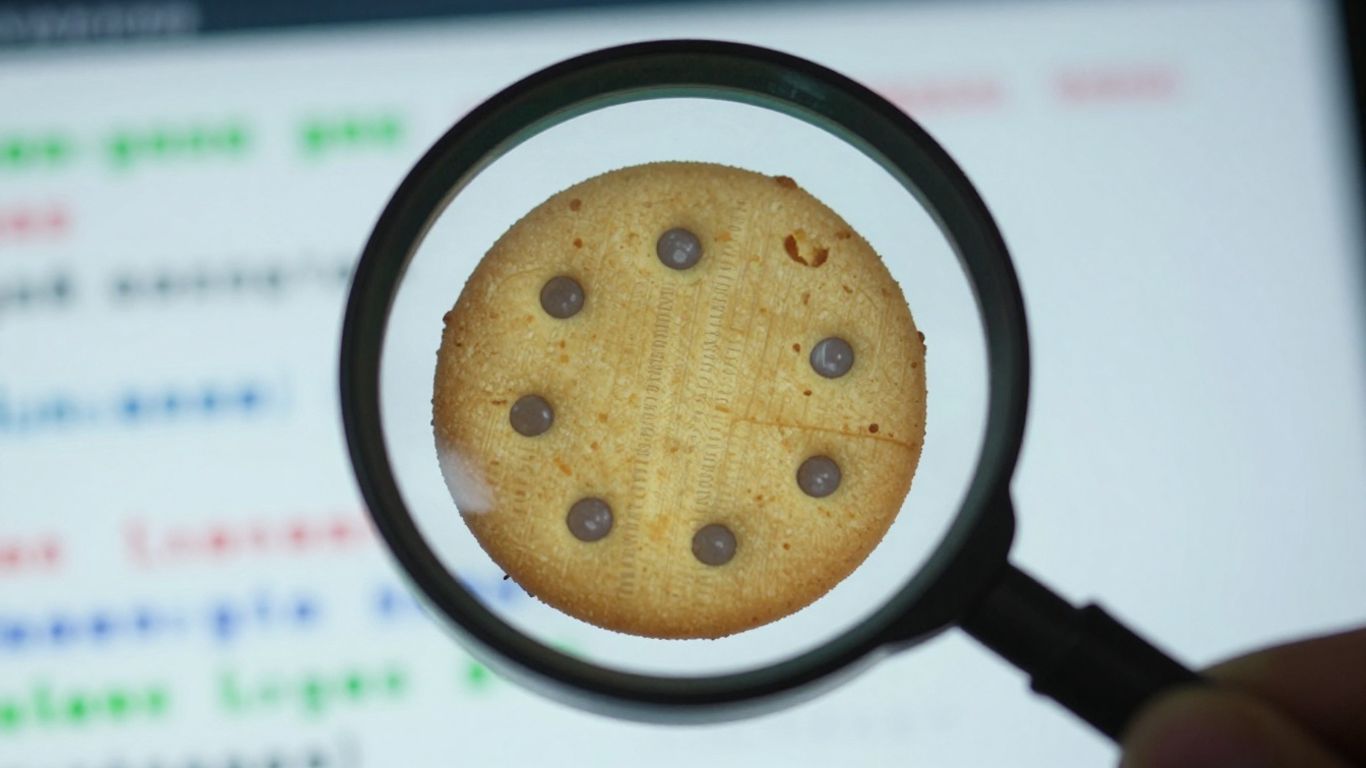
Even with the best intentions, affiliate marketing cookie tracking isn’t always smooth sailing. Several things can mess with how those little bits of data work, and it’s good to know about them so you’re not left scratching your head when sales don’t show up.
Cookie Deletion and Its Impact
So, what happens when someone clears their browser data? Poof! The affiliate cookie is gone. This means if a customer bought something after clicking your link but before clearing their cookies, you might not get credit. It’s a bummer, for sure. People clear cookies for all sorts of reasons – privacy, freeing up space, or just because they read somewhere they should. This is a big reason why relying solely on third-party cookies can be risky.
Cross-Device Tracking Issues
This is a modern headache. Someone might click your affiliate link on their phone while commuting, but then later, at home, they switch to their laptop to make the actual purchase. If the cookie isn’t linked across devices (which, let’s be honest, it often isn’t), the affiliate network might not connect that laptop purchase back to the original phone click. It’s like sending a letter but the recipient reads it in a different mailbox – the connection gets lost.
Privacy Settings and Their Effects
Browsers and operating systems are getting stricter about privacy. Think about things like Apple’s Intelligent Tracking Prevention (ITP) or general browser settings that block third-party cookies. These features are designed to protect user privacy, which is great, but they can also interfere with how affiliate cookies are stored and read. This means some clicks might not be tracked accurately, leading to potential commission gaps. It’s a constant game of adapting to new rules and technologies that prioritize user privacy over traditional tracking methods. Understanding these limitations is key to managing expectations and exploring alternative tracking solutions like server-to-server tracking or first-party data strategies, which are becoming more important for affiliate marketers looking to improve their tracking.
The digital landscape is always changing, and what worked yesterday might not work tomorrow. Staying informed about these tracking challenges helps you prepare and adapt your strategies.
Best Practices for Affiliate Cookie Management
Alright, so you’re getting the hang of how affiliate tracking works, and that’s great. But just knowing the basics isn’t enough. To really make sure you get paid for all your hard work, you need to be smart about how cookies are handled. It’s not just about slapping links everywhere; it’s about being strategic and responsible.
Choosing Reliable Affiliate Networks
This is a big one. Not all affiliate networks are created equal, and some are definitely more on top of their tracking game than others. When you’re picking a network, look for ones that have a solid reputation for accurate tracking and timely payments. A good network will have clear terms about cookie duration and how they handle different tracking scenarios. Don’t be afraid to do a little digging before you sign up. Check reviews, see what other affiliates are saying, and if possible, look at their affiliate program details. Some networks might use more advanced tracking methods, which can be a lifesaver if users are clearing cookies more often.
Understanding Network Tracking Dashboards
Once you’re part of a network, you’ll usually get access to a dashboard. This is your command center for seeing how your links are performing. Spend time getting familiar with it. What metrics does it show? How often is the data updated? Does it give you insights into where your traffic is coming from and which links are converting? Understanding your dashboard is key to knowing if your tracking is working as it should. If something looks off, like a sudden drop in clicks or conversions that doesn’t make sense, you’ll be able to spot it.
Communicating With Affiliate Managers
Most reputable affiliate networks have affiliate managers. Think of them as your point person for any questions or issues you might have. If you’re unsure about how their cookies work, or if you suspect there’s a problem with your tracking, reach out to them. They can often provide clarification or even help troubleshoot specific problems. Building a good relationship with your affiliate manager can be super helpful, especially when it comes to understanding the nuances of their tracking system and how it aligns with evolving legal regulations.
Here’s a quick rundown of what to keep in mind:
- Cookie Duration: Always know how long the network’s cookies last. A longer duration generally means a better chance of getting credit for a sale, even if it happens a few days after the initial click.
- Tracking Methods: Understand if the network uses first-party cookies, third-party cookies, or other methods. First-party cookies are generally more reliable these days.
- Reporting Accuracy: Regularly check your reports for any anomalies. If a campaign suddenly stops converting without a clear reason, it might be a tracking issue.
- Transparency: A good network will be upfront about their tracking methods and any limitations. Look for clear cookie policies on their website.
Managing cookies effectively isn’t just about the technical side; it’s about building trust with your audience and the networks you work with. Being transparent and proactive helps ensure you get the credit you deserve for driving sales.
The Future of Affiliate Tracking
The world of affiliate marketing is always changing, and how we track things is no different. With privacy becoming a bigger deal and browsers blocking cookies more often, we’ve got to look ahead. It’s not just about cookies anymore; it’s about finding smarter ways to know what’s working.
Emerging Tracking Technologies
Things are getting interesting with new ways to track performance. We’re seeing a move towards methods that don’t rely solely on traditional cookies. Think about server-side tracking, which can be more reliable when cookies get blocked. Then there’s also the idea of first-party data, where you collect information directly from your audience with their permission. This builds trust and gives you more control over your data. New technologies are focusing on privacy-first approaches.
Adapting to Privacy-Focused Browsers
Browsers like Chrome are phasing out third-party cookies, and others have been blocking them for a while. This means the old ways of tracking sales across different sites won’t work as well. Affiliates need to get smart about this. It means looking at networks that offer more advanced tracking solutions, maybe ones that use different identifiers or focus on aggregated data. It’s about staying ahead of the curve and not getting caught off guard.
Alternative Attribution Models
Cookies often give credit to the last click before a sale. But what if someone saw your link on social media, then searched for it later, and then clicked an ad? Which one gets the credit? This is where alternative attribution models come in. Instead of just the last click, these models try to spread the credit across multiple touchpoints in the customer’s journey. This gives a more accurate picture of what really drove the sale. Some of the key trending features platforms are incorporating include:
- Robust attribution tools for a complex market.
- AI-powered fraud detection to keep things honest.
- All-in-one lifecycle management for smoother operations.
- Dynamic and flexible commission structures to keep partners motivated.
This shift means we need to think differently about how we measure success and ensure everyone gets paid fairly for their contribution. It’s a good time to explore cross-platform cookieless tracking options to stay competitive.
Wrapping It Up: Cookies and Your Affiliate Journey
So, that’s the lowdown on affiliate marketing cookie tracking. It might seem a bit technical at first, but really, it’s just how the system keeps track of who sent a customer your way. Think of it like a digital breadcrumb trail. Understanding this helps you see how your efforts get credited and why certain tools are important for tracking your success. Don’t get bogged down in the tiny details, though. Focus on providing good content and genuine recommendations, and the tracking will mostly take care of itself. Keep learning, keep testing, and you’ll get the hang of it.
Frequently Asked Questions
What exactly is a cookie in affiliate marketing?
Think of a cookie as a tiny digital note left on someone’s computer after they click an affiliate link. This note helps remember that the visitor came from a specific affiliate. It’s like a digital breadcrumb trail that tells the seller, ‘Hey, this person was sent by me!’
How do these cookies help me get paid?
When a customer buys something after clicking your link, the cookie tells the seller’s system that you were the one who sent them. This way, the seller knows to give you your earned commission for making the sale. Without the cookie, they wouldn’t know who to thank (and pay!).
What happens if someone clears their cookies?
If a customer clears their cookies or uses a different device, the affiliate link’s tracking information might get lost. This means you might not get credit for the sale, even if you sent the customer there. It’s one of the trickier parts of affiliate marketing.
How long do these affiliate cookies usually last?
The time a cookie stays active, called its ‘lifespan,’ can vary a lot. Some might last only a day, while others could be active for weeks or even months! It all depends on the affiliate program’s rules. Longer lifespans are generally better for affiliates.
Can I track my sales if someone uses their phone and then their computer?
This is a common challenge! Tracking across different devices is tricky. Sometimes, affiliate programs have ways to handle this, but often, if someone clicks on their phone and buys on their computer later, you might not get the credit. It’s something marketers are still figuring out.
Are there ways to make sure my tracking is more reliable?
Yes! Choosing well-known and trustworthy affiliate networks is key. Also, paying attention to the dashboards they provide can show you how your links are performing. Sometimes, talking to an affiliate manager can help clear up any tracking questions you might have.