

So, you’re looking to get better at affiliate marketing? It’s a good idea. Lots of people try it, but not everyone sees the kind of results they want. A big part of that is not using the right tools to see what’s working and what’s not. This guide is all about affiliate marketing performance optimization tools. We’ll break down what they are, why you need them, and how to use them to actually make more money. Think of this as your beginner’s roadmap to making your affiliate efforts work harder for you.
Key Takeaways
- Affiliate marketing performance optimization tools help you track, analyze, and improve your results.
- Using the right tools means you can see where your traffic comes from and what makes people click your links.
- Conversion tools help you make your website and offers more appealing to visitors.
- Automation and SEO tools save you time and help more people find your content.
- Understanding your competition and building a solid tech stack are vital for long-term success.
Understanding Affiliate Marketing Performance Optimization Tools
What Are Affiliate Marketing Performance Optimization Tools?
Basically, these are the digital helpers that make your affiliate marketing efforts work better. Think of them as your personal assistants, but instead of fetching coffee, they’re crunching numbers, tracking clicks, and figuring out what’s actually making you money. They help you see what’s working and, more importantly, what’s not. Without these tools, you’re basically flying blind. They take the guesswork out of growing your affiliate income. They can range from simple link trackers to complex software that analyzes user behavior on your site. The goal is always the same: to improve your results.
Why Are These Tools Essential for Affiliates?
If you’re serious about making money with affiliate marketing, you need these tools. It’s not just about slapping links on a website and hoping for the best. You need to understand your audience, see which promotions are hitting the mark, and figure out where people are dropping off. These tools give you that data. They help you understand your performance so you can make smart decisions. Trying to do this manually would be a massive headache and frankly, impossible at any real scale. You need to know things like:
- How many people clicked your link?
- Did they buy anything after clicking?
- Which articles or pages are bringing in the most commissions?
- Where are your visitors coming from?
- What are your competitors doing that seems to work?
Getting answers to these questions is key to improving your strategy. You can find a lot of great performance marketing tools out there to help with this specific descriptive phrase.
Key Benefits of Using Optimization Tools
Using the right tools can really change the game for your affiliate business. Here are some of the main advantages:
- Data-Driven Decisions: Instead of guessing, you’re making choices based on actual numbers. This means less wasted effort and more focus on what actually drives sales.
- Increased Efficiency: Many tools automate repetitive tasks, like tracking links or sending emails. This frees up your time to focus on creating great content or finding new promotion opportunities.
- Better ROI: By understanding what works, you can allocate your budget (if you have one) more effectively. You’ll know which traffic sources or campaigns are giving you the best return on investment.
- Improved User Experience: Tools can help you identify issues on your website, like slow loading pages or confusing navigation, that might be driving visitors away. Fixing these leads to happier visitors and more sales.
- Competitive Edge: Knowing how you stack up against others and understanding market trends helps you stay ahead. You can adapt your strategy based on real-time insights.
Ultimately, these tools help you build a more sustainable and profitable affiliate marketing business. They provide the insights needed to refine your approach and achieve your income goals.
Getting a handle on your affiliate marketing performance is a big part of the journey, and understanding the tools available is the first step to success. You can start by looking at the analytics provided by your affiliate programs themselves, which offer a good starting point for beginners specific descriptive phrase.
Essential Tools for Tracking and Analytics

Alright, so you’ve got your affiliate links out there, but how do you know what’s actually working? That’s where tracking and analytics tools come in. Think of them as your affiliate marketing dashboard, giving you the lowdown on your performance. Without them, you’re basically flying blind, hoping for the best.
Leveraging Analytics Tools for Insights
This is where you get to see the real numbers. Tools like Google Analytics are super important for understanding where your traffic is coming from and what people do once they land on your site. You can see which pages are getting clicks, how long people are staying, and most importantly, if they’re actually converting. Paying attention to these metrics helps you figure out what content is a hit and what’s a miss. It’s not just about vanity metrics; it’s about understanding the behavior of your audience.
Here’s a quick look at what you can track:
- Traffic Sources: Where are your visitors coming from? (e.g., Google search, social media, direct traffic)
- Page Performance: Which of your pages are most popular?
- User Behavior: What do people do on your site? Do they click your affiliate links?
- Conversion Rates: How many visitors actually complete a desired action (like clicking an affiliate link or making a purchase)?
Understanding these details is key to making smart decisions about your content and promotion strategies. You can learn how to effectively track affiliate links within Google Analytics 4 by utilizing Google Tag Manager. This guide provides a step-by-step approach to identify precisely which content is generating clicks for your affiliate links.
Choosing the Right Tracking Software
While analytics tools give you the big picture, dedicated tracking software often digs deeper into the specifics of your affiliate links. These tools can help you manage multiple affiliate programs, generate unique tracking links, and see which specific links are performing best. Some even offer features like link cloaking, which makes your affiliate links look cleaner and more professional.
When picking a tracker, consider:
- Ease of Use: Is it simple to set up and understand?
- Features: Does it offer the tracking capabilities you need (e.g., sub-ID tracking, link rotation)?
- Integration: Does it work well with your website and other tools?
- Cost: Does it fit your budget?
Don’t get bogged down by overly complicated software when you’re starting out. Focus on tools that provide clear, actionable data without a steep learning curve. The goal is to get insights, not to become a data scientist overnight.
Setting Up Your Affiliate Marketing Dashboard
Your dashboard is your command center. It’s where you’ll pull together all the important data from your analytics and tracking tools. A well-organized dashboard makes it easy to see your progress at a glance. You want to be able to quickly check your top-performing content, your most profitable affiliate programs, and your overall earnings.
Think about what information is most important to you daily or weekly. Maybe it’s:
- Total clicks on affiliate links
- Earnings per click (EPC)
- Conversion rates for different offers
- Top traffic sources driving sales
Having this information readily available helps you stay focused and make quick adjustments. Google Analytics offers robust features for monitoring affiliate traffic, assessing conversion rates, and determining the ROI of your affiliate marketing efforts. By leveraging these tools, businesses can gain valuable insights into the performance of their affiliate programs.
Conversion Rate Optimization Tools
So, you’ve got traffic coming to your affiliate offers, which is great. But are those visitors actually doing what you want them to do, like clicking your links or signing up for something? That’s where conversion rate optimization (CRO) tools come in. They help you figure out why people aren’t converting and how to fix it. It’s all about making the most of the traffic you already have.
Optimizing Your Affiliate Marketing Funnel
Think of your affiliate marketing funnel as the path a potential customer takes from first seeing your content to actually making a purchase through your link. It usually starts with awareness (like a blog post), moves to interest (maybe a review), then desire (showing benefits), and finally action (the click).
Here’s a breakdown of common funnel stages:
- Awareness: Getting people to notice your content.
- Interest: Making them curious about the product or service.
- Decision: Convincing them it’s the right choice for them.
- Action: Getting them to click your affiliate link and buy.
Tools can help you see where people drop off in this process. Maybe your review isn’t convincing enough, or your call to action isn’t clear. CRO tools help pinpoint these weak spots.
Landing Page Optimization Strategies
Your landing page is often the first place someone lands after clicking an ad or a link. It needs to be super clear and persuasive. If it’s confusing or slow, people will leave. You want to make sure the page clearly explains the offer and has a strong call to action.
Some things to focus on:
- Headline Clarity: Does the headline immediately tell visitors what they’ll get?
- Benefit Focus: Are you highlighting how the product solves their problem?
- Call to Action (CTA): Is the button to click obvious and compelling?
- Trust Signals: Do you have testimonials or social proof?
Optimizing these elements can make a big difference in how many people move forward. You can find some great conversion rate optimization tools to help with this.
A/B Testing Tools for Affiliates
This is where things get really interesting. A/B testing, also known as split testing, is like running a controlled experiment on your website. You show two different versions of a page (Version A and Version B) to different groups of visitors and see which one performs better.
For example, you could test:
- Two different headlines on your review page.
- A button that says "Buy Now" versus "Get Yours Today."
- A page with a video versus a page without one.
By testing these small changes, you can gather data on what actually works with your audience. This data-driven approach is way better than just guessing. Many platforms offer A/B testing features, or you can use dedicated software to manage these tests and analyze the results. This is a core part of improving your affiliate marketing conversion optimization.
Automation and Workflow Enhancement Tools
Look, affiliate marketing can feel like a lot sometimes, right? You’re juggling content, traffic, tracking, and trying to make sense of it all. That’s where automation and workflow tools come in. They’re basically your digital assistants, taking care of the repetitive stuff so you can focus on what actually makes you money.
Streamlining Tasks with Automation
Think about all the little things you do every day. Sending out welcome emails, posting social media updates, or even just organizing your affiliate links. Automation tools can handle a lot of this without you lifting a finger. It’s not about being lazy; it’s about being smart with your time. The goal is to get more done with less effort. For example, you can set up systems that automatically share your new blog posts across social media platforms. This frees you up to write more content or connect with your audience. It’s like having a little helper that never sleeps.
Automation isn’t just for big companies. As an affiliate marketer, it’s your secret weapon for efficiency. It helps you manage your business more smoothly and consistently, which is key for long-term success.
Here are a few areas where automation can really help:
- Content Distribution: Automatically share new blog posts or product reviews on platforms like Twitter, Facebook, or LinkedIn. This gets your content in front of more eyes without manual posting.
- Email Sequences: Set up automated email campaigns to welcome new subscribers, follow up on abandoned carts, or promote specific offers. This keeps your audience engaged even when you’re not actively sending emails.
- Link Management: Some tools can help you manage and even shorten your affiliate links, making them easier to track and share. This is especially useful if you’re working with many different affiliate programs.
CRM Solutions for Affiliate Management
Customer Relationship Management (CRM) software might sound fancy, but it’s really just a way to keep track of people you interact with. For affiliate marketers, this means keeping tabs on your subscribers, potential customers, and even other affiliates you might be working with. A good CRM helps you organize contact information, track communication history, and segment your audience for more targeted messaging. This way, you’re not sending the same generic message to everyone. You can tailor your approach based on what you know about them. It’s about building better relationships, which leads to more sales. If you’re looking to organize your contacts and communication, a CRM system can be a game-changer.
Email Marketing Integration Tools
Email marketing is still one of the most effective ways to connect with your audience and drive sales. But manually sending emails to everyone can be a huge time sink. That’s where email marketing integration tools come in. These tools connect your website or landing pages to your email service provider. When someone signs up for your email list, they’re automatically added to your chosen email platform. From there, you can set up automated sequences, send out newsletters, and segment your list based on user behavior. This allows for personalized communication that feels more like a one-on-one conversation. For instance, you could have a system that automatically sends a series of emails to new subscribers introducing them to your niche and recommending relevant products. This kind of targeted approach is much more effective than blasting out generic emails. Many affiliate marketers use these tools to automate their outreach and build a loyal following.
Content and SEO Optimization Tools
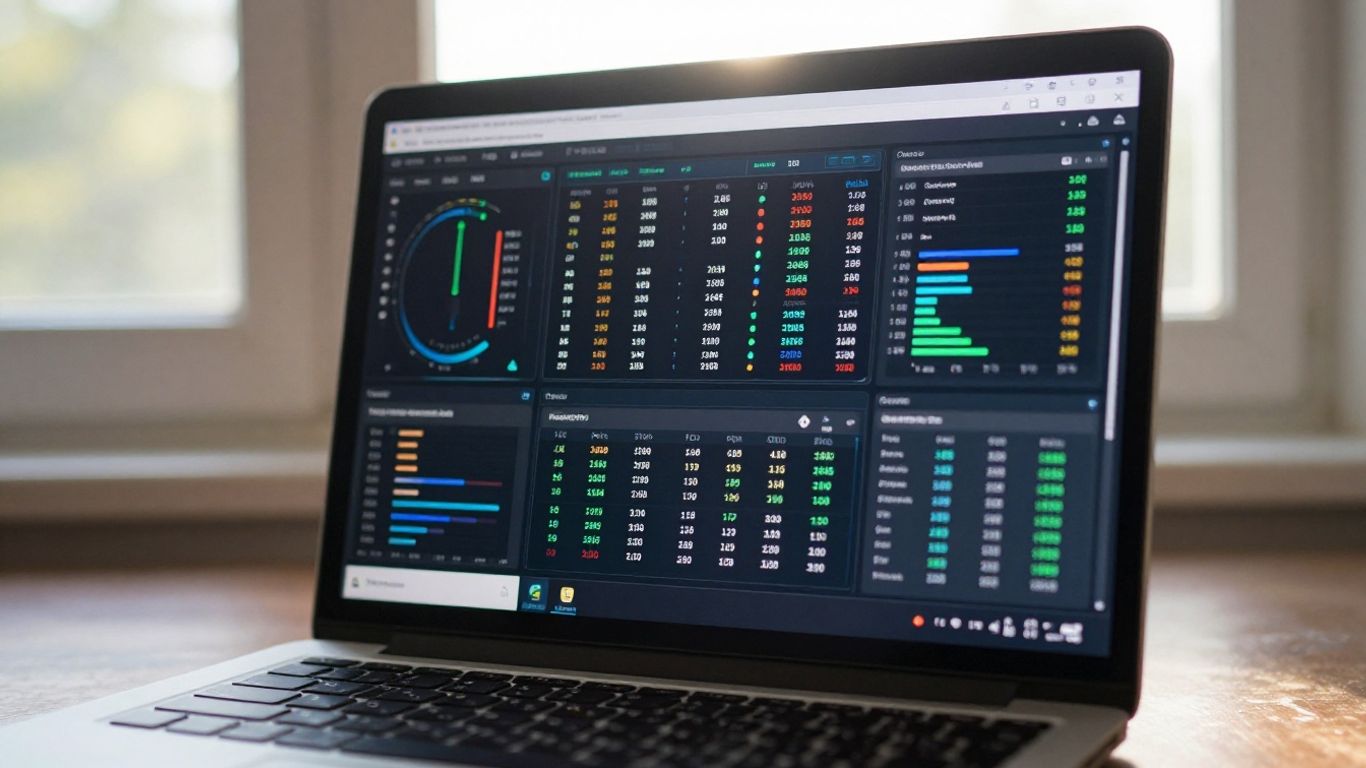
Getting your affiliate content seen is half the battle, right? That’s where content and SEO optimization tools come in. Think of them as your digital marketing toolkit, helping you make sure people actually find and read what you’re putting out there. It’s not just about writing; it’s about writing smart.
Keyword Research Tools for Affiliates
Before you even type a word, you need to know what people are searching for. Keyword research tools help you find those exact phrases. This is super important because you want to target terms that have a decent number of people looking for them, but aren’t so competitive that you’ll never rank. It’s about finding that sweet spot.
Here’s a quick look at what these tools do:
- Identify popular search terms: Discover what your target audience is actually typing into Google.
- Analyze search volume: See how many people search for a keyword each month.
- Gauge keyword difficulty: Understand how hard it will be to rank for a specific term.
- Find related keywords: Uncover variations and long-tail keywords you might have missed.
Using these tools helps you create content that directly answers questions people are asking, which is a big win for both your readers and your affiliate income. For beginners, understanding how to pick the right keywords is a foundational step in affiliate marketing. This guide can help you get started.
SEO Plugins for Affiliate Blogs
If you have a blog, especially on WordPress, SEO plugins are like having a helpful assistant built right into your site. They guide you as you write, reminding you to include your keywords, optimize your titles, and make sure your content is readable. They often give you a score or a checklist to follow.
Some popular plugins offer features like:
- On-page SEO analysis: Checks your content for keyword usage, meta descriptions, and readability.
- XML sitemap generation: Helps search engines crawl and index your site more effectively.
- Internal linking suggestions: Recommends other relevant posts on your site to link to.
- Schema markup integration: Adds structured data to help search engines understand your content better.
These plugins make the technical side of SEO much more manageable, especially when you’re just starting out. They help ensure your affiliate SEO marketing efforts are on the right track.
AI Writing Assistants for Content Creation
AI writing tools have really taken off, and they can be a game-changer for affiliate marketers. They can help you brainstorm ideas, draft outlines, write sections of content, or even rephrase existing text. The key is to use them as a co-pilot, not an autopilot. You still need to add your unique voice, personal experience, and fact-check everything.
Think of AI assistants for:
- Overcoming writer’s block: Get initial drafts or ideas when you’re stuck.
- Speeding up content production: Generate content faster, allowing you to publish more often.
- Improving content quality: Help refine grammar, style, and clarity.
- Generating different content formats: Create social media posts, email subject lines, or product descriptions.
While they can’t replace human creativity and critical thinking, AI writing assistants can significantly boost your content creation workflow. They are becoming a standard part of many affiliate marketers’ toolkits.
Remember, the goal of content and SEO is to connect with your audience by providing helpful information. Tools can assist, but genuine value and authenticity are what build trust and drive long-term success. Don’t just chase rankings; focus on serving your readers first.
Competitor Analysis and Research Tools
Knowing what your competition is up to is a big part of affiliate marketing. It’s not about copying them, but understanding what works in your niche and how others are getting results. This helps you find gaps, improve your own offers, and generally stay ahead of the game. Think of it like looking at the scoreboard in a game – you need to know where everyone stands.
Understanding Your Competitive Landscape
When you’re starting out, it’s easy to feel like you’re in a vacuum. You’re putting in the work, but how do you know if it’s paying off compared to others? That’s where competitor analysis comes in. It’s about looking beyond your own site or campaign and seeing the bigger picture. What kind of content are successful affiliates in your niche creating? What traffic sources are they using? Are they running ads? Answering these questions gives you a roadmap.
- Identify top-performing affiliates in your niche.
- Analyze their content strategies and promotion methods.
- Look at their website structure and user experience.
- See what kind of offers they are promoting.
Tools for Niche Research
Before you even pick a niche, or once you’re in one, you need to know if it’s viable. Is there enough interest? Are people actually spending money? Tools can help you figure this out. You’re looking for niches with demand but also where you can realistically compete. Sometimes, a smaller, more focused niche is better than a huge, saturated one. You want to find that sweet spot where you can make an impact.
For example, instead of just "fitness," you might look at "home workouts for busy moms" or "vegan bodybuilding supplements." These are more specific and can be easier to rank for and target.
Researching your niche thoroughly upfront can save you a lot of wasted effort down the line. It’s better to spend time understanding the market before you invest heavily in content or ads.
Analyzing Competitor Strategies
Once you know who your competitors are, you need to dig into how they operate. This is where specialized tools really shine. You can see what keywords they’re ranking for, what ads they’re running, and even where they’re getting their backlinks. This kind of data is gold. It tells you what’s working for them, and by extension, what might work for you. For instance, if you see a competitor consistently ranking for certain long-tail keywords, that’s a clear signal for you to target them too. Tools like SEMRush are fantastic for this kind of deep dive. They provide insights into keyword performance, ad spend, and overall site authority, giving you a clear picture of the competitive landscape. Spy tools are also incredibly useful for seeing publicly available ad data, which is a direct window into what offers are being pushed and how. Spy tools can reveal a lot about successful campaigns.
Building Your Affiliate Marketing Tech Stack
Alright, so you’ve got your tools for tracking, optimizing, and creating content. Now, how do you make them all work together without turning your affiliate business into a tangled mess? That’s where building your tech stack comes in. Think of it like building a house – you need a solid foundation and the right tools for each job.
Integrating Essential Tools Seamlessly
Putting all your tools together might sound complicated, but it doesn’t have to be. The goal is to have them talk to each other so you’re not constantly copying and pasting data. For example, your analytics tool should feed information into your email marketing software. This way, you know who’s clicking what and can send them more targeted messages. It’s about making your workflow smooth, not adding more work.
- Connect your analytics to your email platform: This lets you segment your audience based on their interests and actions.
- Link your landing page builder to your CRM: Keep all your lead information in one place.
- Integrate your content calendar with your social media scheduler: Plan and publish posts efficiently.
Choosing the Right Website Builders
Your website is often the first impression people have of your affiliate business. You need a platform that’s easy to use, looks good, and can handle your needs as you grow. For beginners, something like WordPress is a solid choice because it’s flexible and there are tons of resources available. You can start simple and add features as you go. The right website builder makes managing your content and affiliate links much easier.
Selecting Reliable Hosting Solutions
Don’t skimp on hosting. Your website needs to be fast and always available. Slow loading times or frequent downtime can kill your conversions and frustrate visitors. Think about what kind of traffic you expect. If you’re just starting, a shared hosting plan might be fine, but as you grow, you might need to upgrade to a VPS or dedicated server. It’s worth looking into top affiliate marketing tools that include hosting recommendations.
Choosing good hosting is like picking a good spot for your shop. If it’s hard for people to find or it keeps closing unexpectedly, they’ll just go somewhere else. You want a place that’s always open and easy to get to.
Building your tech stack isn’t about having the most expensive tools; it’s about having the right tools that work well together to help you start affiliate marketing and grow your income.
Wrapping It Up
So, we’ve gone over a bunch of tools that can really help you get better at affiliate marketing. It might seem like a lot at first, but remember, you don’t need everything all at once. Start with what makes sense for where you are right now. Maybe it’s just a good tracking tool, or perhaps you need something to help with your emails. The main thing is to pick a few things, learn them well, and see how they help you make more money. Don’t get caught up in trying every new tool out there. Focus on what works for you and your business. Keep learning, keep testing, and you’ll get there.
Frequently Asked Questions
What exactly are affiliate marketing optimization tools?
Think of these tools as your secret weapons for making your affiliate marketing efforts work better. They help you understand what’s working, what’s not, and how to make more money from your promotions. They’re like a mechanic for your online business, making sure everything runs smoothly and efficiently.
Why should a beginner even bother with these tools?
Starting out can feel like a guessing game. These tools take the guesswork out of it! They show you where people are clicking, what kind of content they like, and how to improve your chances of making a sale. It’s like having a map and a compass instead of wandering around lost.
What’s the biggest advantage of using these tools?
The main win is making more money with less wasted effort. Instead of trying random things, you can see what’s actually bringing in results. This means you can focus your energy on what works best and grow your income faster.
How do these tools help improve my website or content?
Many tools help you see how visitors interact with your site. You can figure out which pages are popular, where people drop off, and what keywords they use to find you. This lets you tweak your content and website design to keep people engaged and guide them toward making a purchase.
Can these tools help me understand my competition?
Absolutely! Some tools let you peek at what your competitors are doing. You can see what keywords they’re targeting, what kind of ads they run, and what content is popular for them. This knowledge helps you find gaps and opportunities to stand out.
Do I need a lot of technical skills to use these tools?
Not at all! Many tools are designed with beginners in mind, offering simple dashboards and easy-to-understand reports. While some advanced features might require a bit more learning, you can start seeing benefits with the basics right away.