

So, you’re looking to make some money online as an affiliate. That’s cool. But how do you know what’s actually working? You need to track your progress, right? That’s where analytics tools come in. Picking the right ones can feel like a maze, especially when you’re just starting out. We’ve put together a list of some of the best analytics tools for affiliates that can help you see what’s going on and make smarter choices. Let’s get into it.
Key Takeaways
- Google Analytics is a free, powerful tool for understanding website traffic, but it has a learning curve.
- ClickMagick and Voluum are paid tools specifically designed for affiliate tracking, offering more advanced features for conversions and campaign management.
- Post Affiliate Pro, Tapfiliate, and AffiliateWP are good options if you’re looking for affiliate management software that also includes tracking capabilities.
- Hotjar provides visual insights into user behavior on your site, like heatmaps and session recordings, which is great for understanding how visitors interact with your content.
- Ahrefs and SEMrush are primarily SEO tools, but they offer valuable competitive analysis and keyword research features that can inform your affiliate strategy.
1. Google Analytics
Alright, let’s talk about Google Analytics. If you’re just starting out in affiliate marketing, this is probably the first tool you’ll hear about, and for good reason. It’s free, it’s powerful, and it gives you a ton of information about who’s visiting your site and what they’re doing.
Think of it as your website’s doctor’s office – it tells you how things are running. You can see where your traffic is coming from (like Google searches, social media, or other websites), which pages people are spending the most time on, and even how long they stick around. For affiliate marketers, this is gold.
Here’s a quick rundown of what you can track:
- Audience: Who are your visitors? Demographics, interests, and even what devices they’re using.
- Acquisition: Where are they coming from? This helps you see which traffic sources are actually sending people to your site.
- Behavior: What are they doing once they get there? Which pages are popular? Where do they drop off?
- Conversions: Are they taking the actions you want them to? (This part needs a bit more setup for affiliate tracking, but it’s doable).
It can feel a little overwhelming at first, I get it. There are a lot of reports and numbers. But focus on the basics: traffic sources and popular pages. That’s where you’ll find the most immediate insights for your affiliate efforts.
You don’t need to understand every single metric right away. Start with the big picture – where are people coming from and what content are they engaging with? That’s enough to start making smarter decisions about where to focus your energy.
2. ClickMagick
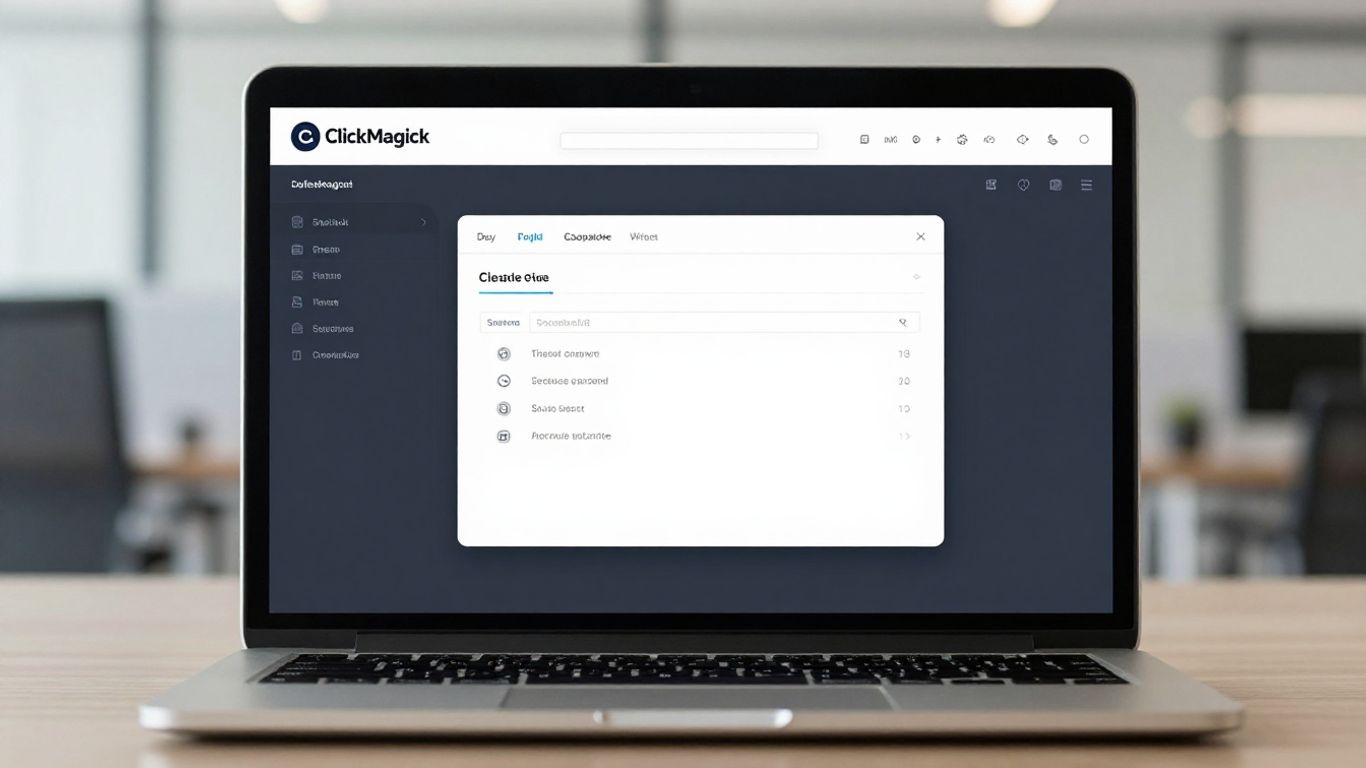
When you’re starting out in affiliate marketing, keeping track of where your clicks are coming from and which ones actually turn into sales can feel like a guessing game. That’s where tools like ClickMagick come in handy. It’s designed to give you a much clearer picture of your traffic and conversions.
Think of it as your central hub for all things tracking. You can create unique links for different campaigns, platforms, or even specific ads. This way, you know exactly which efforts are paying off and which ones aren’t worth your time or money. It helps you understand your funnel performance, which is super important for making more money.
Here’s a quick look at what it helps you do:
- Track everything: From clicks to sales, and everything in between.
- Optimize campaigns: See which ads or posts are driving the best results.
- Build better funnels: Understand how people move from seeing your link to making a purchase.
- Prevent fraud: Some basic protection against bot traffic.
It’s not just about counting clicks, though. ClickMagick helps you see the whole journey. You can set up different tracking parameters to understand user behavior better. This kind of data is gold for figuring out how to improve your affiliate marketing sales page structure.
For beginners, the sheer amount of data can seem a bit much at first. But sticking with it and learning to interpret the numbers will make a huge difference in your results. It’s about making smarter decisions based on real performance, not just gut feelings.
3. Voluum
Voluum is a pretty solid choice if you’re looking to get serious about tracking your affiliate campaigns. It’s not just about seeing clicks; it’s about understanding where they come from, what’s working, and what’s definitely not. For beginners, this level of detail might seem a bit much at first, but trust me, it’s the kind of data that helps you stop guessing and start making smarter decisions.
Think of it like this: you’re running ads, sending traffic to a landing page, and then to an offer. Voluum helps you see the whole journey. It tracks everything from the initial click to the final conversion, or lack thereof. This means you can figure out which traffic sources are actually bringing in sales, which landing pages are performing best, and which offers are worth your time.
Here’s a quick look at what makes Voluum stand out:
- Advanced Tracking: It handles all sorts of traffic sources, including paid ads, social media, and even organic traffic. You get detailed reports on clicks, conversions, costs, and revenue.
- Funnel Analysis: You can build and track multi-step funnels within Voluum. This is super helpful for seeing how users move through your pages before they convert.
- Fraud Detection: Voluum has built-in tools to help you spot bot traffic and other forms of click fraud, saving you money on wasted ad spend.
- Reporting: The reporting interface is quite powerful. You can customize reports to see exactly the data you need, which is great for optimizing your campaigns.
Getting a handle on your campaign data early on is a game-changer. It prevents you from pouring money into strategies that aren’t paying off and helps you double down on what’s actually working.
While it has a learning curve, especially if you’re new to affiliate marketing, the insights you gain are well worth the effort. It’s a tool that grows with you as your campaigns become more complex. If you’re aiming to promote offers and increase earnings without getting bogged down in technical details, Voluum can be a great asset for your affiliate campaign management.
It’s definitely a step up from basic link tracking, offering a more robust solution for anyone serious about affiliate marketing analytics.
4. Post Affiliate Pro
Post Affiliate Pro is a pretty solid choice if you’re looking for a dedicated affiliate management platform. It’s been around for a while and offers a good range of features to help you track your affiliates, manage their commissions, and see how everything is performing. It’s particularly good for businesses that want to run their own in-house affiliate program.
What I like about it is that it handles a lot of the backend stuff, so you don’t have to. Think commission calculations, payout processing, and even fraud detection. This frees you up to focus more on recruiting affiliates and promoting your offers. It also provides detailed reporting, which is key for understanding what’s working and what’s not.
Here’s a quick look at some of its main features:
- Affiliate Tracking: Tracks clicks, leads, and sales accurately.
- Commission Management: Handles various commission structures and payouts.
- Reporting & Analytics: Gives insights into affiliate performance and campaign results.
- Marketing Tools: Includes features like banner management and coupon tracking.
- Integration: Connects with many popular e-commerce platforms and payment gateways.
Setting up an affiliate program can feel like a lot, but tools like Post Affiliate Pro simplify the process. They give you the structure needed to manage a growing team of promoters without getting bogged down in the details. It’s about building a system that supports your growth.
While it might have a bit of a learning curve initially, especially if you’re new to affiliate management software, the investment in understanding it pays off. You can get a good overview of how to manage your influencer partnerships and drive more sales with their advanced analytics. It’s a robust system that can scale with your business as you bring on more affiliates and run more campaigns.
5. Tapfiliate
Tapfiliate is a solid choice if you’re looking for a straightforward affiliate tracking system. It’s pretty user-friendly, which is a big plus when you’re just starting out and don’t want to get bogged down in complicated tech.
What it does well is handle the basics of affiliate management. You can set up different commission structures, track sales, and manage your affiliates all from one place. It’s not overly flashy, but it gets the job done without a steep learning curve. This makes it a good starting point for affiliates who want to focus on promoting products rather than wrestling with software.
Here’s a quick look at what you can do with it:
- Set up affiliate programs: Easily create programs with custom terms and conditions.
- Track sales and conversions: Monitor who’s sending traffic and what’s converting.
- Manage affiliates: Onboard new affiliates, approve them, and keep track of their performance.
- Create referral links: Generate unique links for each affiliate to track their efforts.
It also offers some decent reporting features, giving you a look at your top performers and overall program health. While it might not have all the bells and whistles of more advanced platforms, its simplicity is its strength for beginners. It’s about getting your tracking sorted so you can see what’s working with your affiliate efforts.
For beginners, the key is to have a system that doesn’t add more complexity. Tapfiliate aims to simplify the tracking side of things, letting you see your results without needing a degree in data science. It’s about clarity and getting the foundational tracking in place.
6. AffiliateWP
AffiliateWP is a plugin that turns your WordPress site into a full-blown affiliate management system. If you’re already running a blog or a website on WordPress and want to add an affiliate program without a huge learning curve, this is a solid choice. It’s pretty straightforward to set up and manage.
It handles all the tracking and payouts for you, right from your own website. This means you don’t need to rely on third-party platforms for basic affiliate management, which can simplify things a lot, especially when you’re just starting out. You get to see who’s referring sales and how much you owe them.
Here’s a quick look at what it offers:
- Referral Tracking: Automatically tracks referrals based on affiliate links and coupon codes. It’s pretty good at catching sales that come through your affiliates.
- Payout Management: You can manage affiliate payouts directly within the WordPress dashboard. It even has features for bulk payouts, which saves time.
- Creatives: Affiliates can upload their own promotional materials like banners and text links.
- Reporting: Provides basic reports on affiliate performance, earnings, and referrals.
It’s a good option if you want to keep everything in-house and have control over your affiliate program. While it might not have all the advanced features of dedicated tracking software, it’s very accessible for beginners who are already comfortable with WordPress. Building out your affiliate program can be a key part of your overall affiliate marketing funnel structure. It’s a tool that grows with you as your affiliate program expands.
7. Hotjar
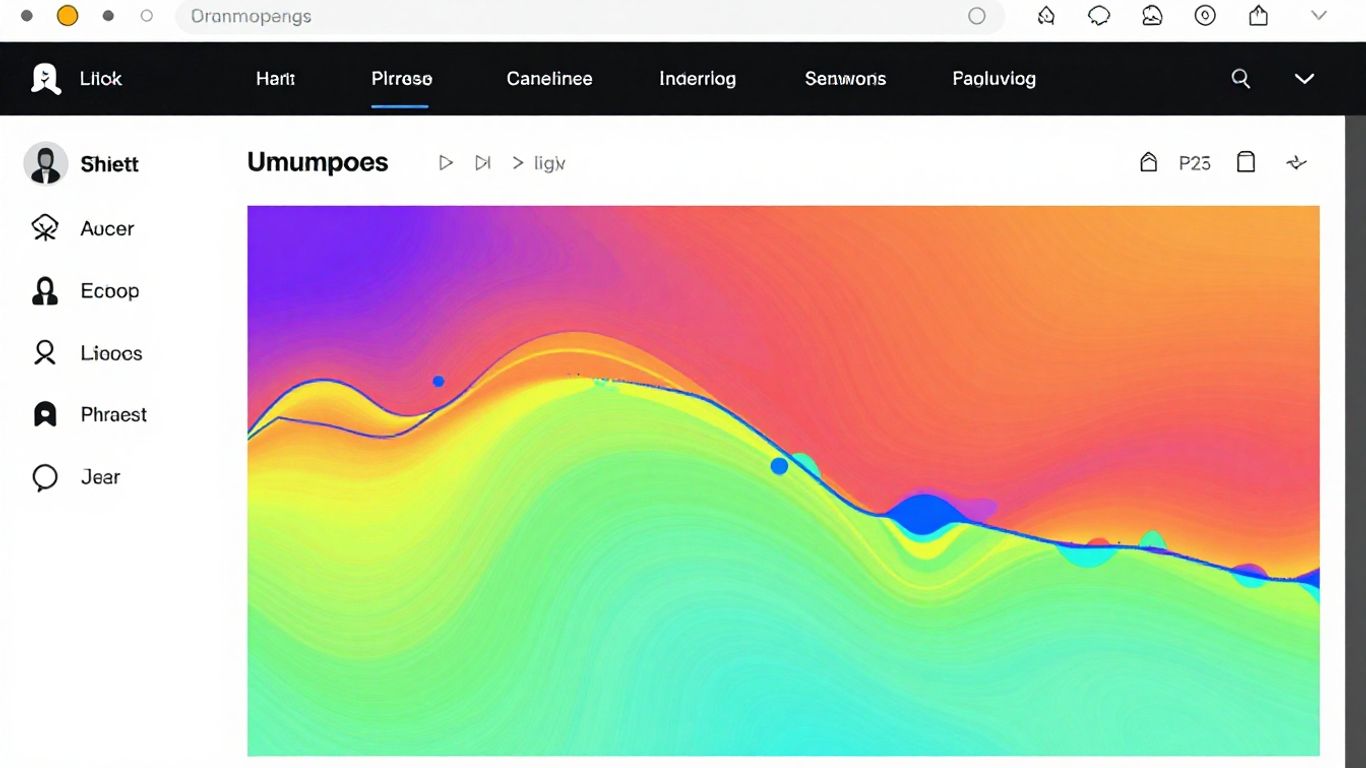
Okay, so you’ve got your traffic coming in, and you’re tracking the clicks and conversions with tools like Google Analytics. That’s great, but what are people actually doing on your site? This is where Hotjar comes in. It’s a bit different from your standard analytics. Instead of just numbers, Hotjar shows you the experience your visitors are having.
It’s like having a window into your users’ minds, showing you where they click, where they get stuck, and what makes them leave.
Hotjar offers a few really neat features for affiliate marketers:
- Heatmaps: These visually show you where users click, move their mouse, and scroll on your pages. You can see if people are even seeing your affiliate links or if they’re getting lost in the layout. It helps you figure out what content is grabbing attention and what’s being ignored.
- Session Recordings: Imagine watching a video of someone using your website. That’s what session recordings do. You can see actual user sessions, replay them, and understand their journey. This is super helpful for spotting usability issues or points of confusion that might be costing you sales.
- Feedback Polls & Surveys: Sometimes, the best way to know what people want is to just ask them. Hotjar lets you easily add polls or surveys to your site to gather direct feedback. You can ask visitors what they’re looking for, what information is missing, or what would help them make a decision.
Think about it: you might be sending traffic to a landing page, but if users aren’t engaging with the call to action or are confused by the layout, your conversion rates will suffer. Hotjar helps you pinpoint these exact spots. It’s a fantastic tool for understanding user behavior on a deeper level, going beyond just the raw data. For beginners, seeing this visual feedback can be way more intuitive than just staring at spreadsheets. It helps you make changes that actually improve the user experience, which, in turn, can lead to more affiliate sales. You can start optimizing your affiliate marketing landing page with confidence.
8. Ahrefs
Okay, so Ahrefs. This one is a bit more advanced, but honestly, it’s a powerhouse for understanding what’s actually working in your niche and what your competitors are up to. Think of it as your secret weapon for SEO and content research.
For beginners, the biggest win with Ahrefs is its ability to show you what keywords people are actually searching for and what content is ranking well for those terms. This means you can stop guessing and start creating content that has a real chance of getting found.
Here’s a quick rundown of why it’s useful:
- Content Explorer: Find popular content in your niche. You can see what topics are getting shared and what’s getting links, which is a huge clue for what to write about.
- Keywords Explorer: This is where you can really dig into search terms. It tells you how many people search for something, how hard it is to rank for it, and gives you tons of related ideas.
- Site Explorer: Want to know what keywords your competitors are ranking for? Or where they’re getting their backlinks from? This tool shows you all that.
It’s not the cheapest tool out there, I’ll admit. But if you’re serious about building an affiliate site that gets organic traffic, the insights you get from Ahrefs are pretty hard to beat. It helps you work smarter, not just harder.
You might look at the price and think, ‘Whoa, that’s a lot for a beginner.’ And yeah, it is. But consider it an investment in knowing exactly what to do. Instead of spending months creating content that nobody sees, Ahrefs can point you in the right direction from day one. It’s about getting real data to back up your content strategy.
9. SEMrush
SEMrush is a pretty powerful tool, and while it might seem a bit much for absolute beginners, it’s worth knowing about. It’s got a lot of features that can really help you understand your audience and what’s working (or not working) with your affiliate efforts. Think of it as a super-detailed report card for your online presence.
It’s especially good for digging into competitor research and keyword analysis. If you want to know what terms people are actually searching for related to your niche, SEMrush can show you. This helps you create content that people are looking for, which is a big win for affiliate marketing. It also lets you see what keywords your competitors are ranking for, giving you ideas on where to focus your own efforts.
Here’s a quick look at what it offers:
- Keyword Research: Find out what terms people use to search for products or information in your niche.
- Competitor Analysis: See what your competitors are doing well, what keywords they target, and where their traffic comes from.
- Site Audit: Check your website for technical issues that might be hurting your performance.
- Rank Tracking: Monitor where your website ranks for important keywords over time.
While it has a learning curve, getting familiar with tools like SEMrush for affiliate marketing can give you a serious edge. It’s not just about tracking clicks; it’s about understanding the whole landscape so you can make smarter decisions. It’s a tool that grows with you as you get more serious about affiliate marketing.
10. MonsterInsights
MonsterInsights is a plugin that makes Google Analytics way easier to use, especially if you’re running a WordPress site. For beginners, trying to figure out Google Analytics can feel like looking at a foreign language. MonsterInsights takes all that complex data and boils it down into simple, clear reports right inside your WordPress dashboard. You can see things like how many people visit your site, where they come from, and what content they like best. It’s all about making analytics accessible without needing to be a data scientist.
This tool is super helpful for understanding your audience and seeing which of your affiliate promotions are actually getting clicks and conversions. You don’t have to jump between different platforms; the key stats are right there. It helps you figure out what’s working and what’s not, so you can focus your efforts better.
Here’s what makes it good for beginners:
- Easy Setup: You can get it up and running pretty quickly, even if you’re not super techy.
- Clear Reports: The dashboards show you the important numbers without overwhelming you.
- WordPress Integration: It fits right into your existing WordPress site.
- Track Key Metrics: See your top-performing posts, affiliate link clicks, and more.
If you’re just starting out and want a straightforward way to see your website’s performance and how your affiliate efforts are doing, MonsterInsights is definitely worth checking out. You can even start with their free version to get a feel for it. It really helps simplify the whole analytics process, giving you a clearer picture of your affiliate marketing analytics without the usual headaches.
Wrapping It Up
So, we’ve looked at a bunch of tools that can help you out as you start in affiliate marketing. Remember, you don’t need all the fancy stuff right away. Start with what makes sense for you and your budget. Tracking your results is key, but don’t get lost in the numbers. Focus on creating good content and helping your audience. The right tools will make things easier, but they won’t do the work for you. Keep learning, keep testing, and you’ll figure out what works best for your own affiliate journey.
Frequently Asked Questions
What’s the main goal of using analytics tools for affiliate marketing?
The main goal is to see what’s working and what’s not. It helps you understand where your visitors come from, what they do on your site, and if they end up buying the products you recommend. This way, you can focus your efforts on what brings results and make more money.
Do beginners really need fancy analytics tools?
Not necessarily fancy, but they do need *some* tools. Starting with free tools like Google Analytics is a great way to learn the basics. As you grow, you might need more advanced tools to track specific things like ad campaigns or sales funnels, but you don’t need them all at once.
How can analytics help me improve my affiliate sales?
Analytics show you which pages visitors like best, which links they click, and where they drop off. You can use this info to make your content more helpful, improve your calls to action (like buttons that say ‘Buy Now’), and guide people better towards making a purchase.
Is it hard to learn how to use these tools?
Some tools have a steeper learning curve than others. Google Analytics is quite powerful but can seem a bit much at first. Many tools offer tutorials and guides, and there are tons of videos online to help you learn. Start simple, and you’ll get the hang of it.
Which tool is best for tracking where my clicks come from?
For tracking clicks and understanding traffic sources, Google Analytics is a great starting point. Tools like ClickMagick and Voluum are more specialized for affiliate marketers and offer deeper insights into ad campaigns and link performance, which can be very useful if you’re running ads.
Can analytics tell me which products to promote?
While analytics don’t directly tell you which products to promote, they can give you clues. By seeing which types of content or traffic sources lead to the most sales, you can infer which product categories or offers resonate best with your audience. It’s about understanding your audience’s behavior.