
Thinking about getting into affiliate marketing? It can seem a bit confusing at first, especially with all the different ways people talk about setting things up. One method that’s really gaining traction is the quiz funnel strategy. It’s a smart way to guide people and figure out what they actually need. This guide breaks down how to use an affiliate marketing quiz funnel strategy, even if you’re just starting out. We’ll cover everything from building the quiz itself to getting people to take it and turning those results into sales.
Key Takeaways
- An affiliate marketing quiz funnel strategy uses interactive quizzes to gather information about potential customers, leading them to relevant affiliate offers.
- Designing a good quiz involves picking a topic your audience cares about, asking clear questions, and providing personalized recommendations based on the answers.
- The structure of your funnel, including the landing page, the quiz itself, and the thank you page, needs to be set up smoothly to guide users.
- Quiz results are gold for affiliate marketing; they let you recommend specific products and segment your audience for better follow-up.
- Getting people to your quiz is key, using methods like organic traffic, paid ads, and social media promotion to drive visitors.
Understanding The Affiliate Marketing Quiz Funnel Strategy
So, you’re looking to get into affiliate marketing and heard about this ‘quiz funnel’ thing? It sounds a bit fancy, but honestly, it’s a pretty straightforward idea once you break it down. Think of it as a way to guide people who are interested in what you’re promoting, but aren’t quite sure what they need yet.
What Is An Affiliate Marketing Quiz Funnel?
Basically, an affiliate marketing quiz funnel is a series of steps designed to engage potential customers and lead them towards an affiliate product recommendation. It starts with a quiz – something fun and interactive that asks questions related to a specific problem or interest. Based on the answers, the quiz then provides a personalized result or recommendation. This result is where the affiliate marketing comes in. The recommended product or service is something you’re an affiliate for, and it’s presented as the solution to the problem the quiz uncovered.
It’s a smart way to move away from just blasting links everywhere. Instead, you’re offering value and a bit of personalized guidance. This approach helps build trust because you’re not just selling; you’re helping someone figure something out.
Why Use A Quiz Funnel For Affiliate Marketing?
Why bother with a quiz funnel? Well, for starters, people love quizzes. They’re engaging and give instant gratification. This means you’re more likely to get people to actually participate compared to just asking them to sign up for a newsletter.
Here are a few reasons why it works:
- Higher Engagement: Quizzes naturally draw people in. They’re fun and make users feel like they’re getting something specific for themselves.
- Audience Segmentation: The answers people give tell you a lot about their needs and preferences. This lets you recommend products that are a much better fit for them.
- Lead Generation: You can collect email addresses as part of the quiz process, building a list of interested people you can follow up with.
- Personalized Recommendations: Instead of a one-size-fits-all approach, you can offer tailored suggestions, which usually leads to better conversion rates.
The core idea is to make the user feel understood. When you present a solution that directly addresses their specific situation, they’re far more likely to trust your recommendation and make a purchase.
Key Components Of A Quiz Funnel Strategy
To make this work, you need a few key pieces in place. It’s not just about the quiz itself, but how it fits into the whole process. You’ll need:
- The Quiz: This is the hook. It needs to be interesting, relevant to your niche, and not too long.
- A Landing Page: This is where people will find out about the quiz and be encouraged to take it. It needs to be clear and compelling.
- Results & Recommendations: This is the payoff. The results should be insightful, and the affiliate product recommendation should feel like a natural next step.
- Email Follow-up: After the quiz, you’ll want to continue the conversation via email, offering more value and reinforcing the recommendation. Building an affiliate marketing email funnel is a big part of this. This is where you can really nurture the relationship and drive sales over time.
Designing Your Affiliate Marketing Quiz
Alright, so you’ve got the idea for a quiz funnel. That’s cool. But how do you actually make one that works? It all starts with the quiz itself. This isn’t just about throwing some questions together; it’s about creating something that pulls people in and actually helps them figure something out.
Choosing The Right Quiz Topic
First things first, what’s your quiz going to be about? This is super important. You want a topic that’s relevant to what you’re promoting, but also something people are genuinely curious about. Think about the problems your audience has. What are they trying to figure out? For example, if you’re in the fitness niche, a quiz like "What’s Your Ideal Workout Style?" or "Discover Your Metabolism Type" could work. It needs to be specific enough to give a clear result but broad enough to attract a good number of people. The goal is to make the topic irresistible.
Here are a few ideas to get you thinking:
- Identify a core problem: What’s the biggest struggle your target audience faces?
- Tap into aspirations: What do they want to achieve?
- Focus on a specific product category: What kind of products do you want to recommend?
Crafting Engaging Quiz Questions
Now for the fun part: writing the questions. This is where you keep people hooked. You don’t want a quiz that feels like a chore. Think about making it a bit of a discovery process for the user.
- Keep it simple: Use straightforward language. No one wants to decipher complex sentences.
- Make it relatable: Use scenarios or questions that your audience can easily connect with.
- Mix question types: While multiple-choice is common, consider adding a few image-based questions if it fits your topic.
- Logical flow: Ensure the questions build on each other and lead naturally to the outcome.
For instance, if your quiz is about finding the best productivity tool, you might ask:
| Question | Option A | Option B | Option C |
|---|---|---|---|
| How do you typically manage your tasks? | I use a digital planner. | I prefer pen and paper. | I wing it, mostly. |
| What’s your biggest time-waster? | Social media distractions. | Unclear priorities. | Too many meetings. |
| What kind of work do you do most often? | Creative/Brainstorming | Analytical/Data-driven | Repetitive/Admin tasks |
Remember, each question should subtly guide the user towards a specific outcome or recommendation. It’s like a gentle nudge in the right direction.
Determining Quiz Outcomes And Recommendations
This is where the magic happens. Based on the answers, you’ll give the user a result. This result should feel personalized and genuinely helpful. It’s not just about saying "You’re a Type A person." It’s about explaining what that means for them and how it relates to the products you recommend.
The outcome should feel like a revelation, a moment of clarity for the user. It’s the payoff for taking the quiz, and it sets the stage for your affiliate recommendations.
For example, if someone gets the "Highly Organized Planner" result, you can then recommend specific digital planners or productivity apps that fit that profile. If they get the "Creative Explorer" result, you might suggest tools that help with idea generation or project management for creative work. This personalized approach makes the recommendations feel less like ads and more like helpful suggestions. You can learn more about building an effective affiliate marketing content strategy that aligns with these personalized recommendations.
Building The Quiz Funnel Structure
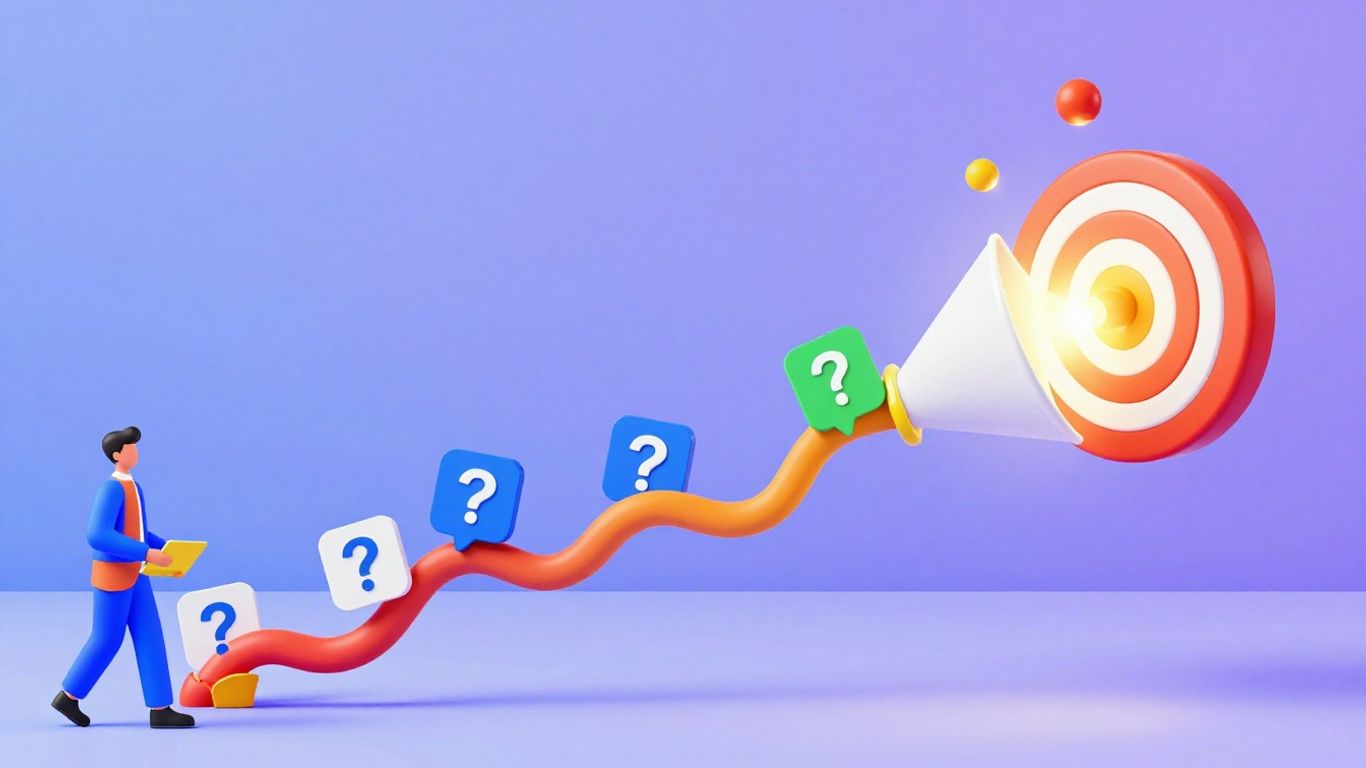
So, you’ve got your quiz idea and questions ready to go. Now, let’s talk about putting the actual funnel together. This is where things start to take shape and you guide your visitor from curious prospect to potential customer. It’s not just about the quiz itself; it’s about the journey you create around it.
The Role Of A Landing Page
Before anyone even sees your quiz, they need a place to land. This is your landing page, and it’s super important. Think of it as the welcoming committee. Its main job is to get people excited about taking the quiz and to make them feel comfortable enough to give you their email address. You want to clearly state the benefit of taking the quiz – what problem does it solve, or what insight will they gain? Keep the design clean and focused. The fewer distractions, the better. A good landing page will have a clear headline, a brief description of the quiz’s value, and a prominent call-to-action (CTA) button. You might also include a short testimonial or social proof if you have it. Remember, this is the first impression, so make it count.
Integrating The Quiz On Your Website
Once you’ve got your landing page sorted, you need to actually put the quiz somewhere people can find it. There are a few ways to do this. You could embed it directly onto a page on your website, or you might have it pop up after a certain time or action. Many quiz builders offer embed codes that make this pretty straightforward. If you’re using a platform like WordPress, there are plugins that can help integrate quizzes easily. The key is to make it accessible but not annoying. You don’t want it to get in the way of other content on your site. Think about where your ideal visitor hangs out on your site and place it there. A quiz funnel is a marketing strategy that employs interactive quizzes to engage visitors. By asking a series of questions, it guides users through a personalized experience, ultimately leading them to a specific outcome or offer.
Setting Up The Thank You Page
After someone finishes your quiz, they shouldn’t just be left hanging. That’s where the thank you page comes in. This page serves a few purposes. First, it thanks them for taking the quiz. Second, it delivers on any promise you made, like showing their results or telling them when to expect them. This is also a prime spot to make your first affiliate recommendation. Based on their quiz answers, you can suggest a product or service that directly addresses their needs or interests. Keep the tone friendly and helpful. You might also use this page to encourage them to share the quiz on social media or to check out other resources you offer. It’s the final step in this part of the funnel, so make sure it feels complete and valuable.
Leveraging Quiz Results For Affiliate Sales
So, you’ve got people taking your quiz. That’s awesome! But what do you do with that information? This is where the real magic happens for affiliate marketing. The quiz results aren’t just a score; they’re a goldmine of data about your audience. You can use this to show them exactly what they need, which, surprise, is often what you’re promoting.
Personalized Product Recommendations
This is probably the most direct way to make money from your quiz. Based on how someone answers the questions, you can figure out their specific needs or problems. Then, you can recommend an affiliate product that directly solves that problem. It feels way more helpful than just throwing random links at them.
For example, if someone takes a quiz about "What’s Your Ideal Home Office Setup?" and their results show they struggle with focus, you can recommend noise-canceling headphones or a productivity planner. If they’re looking for budget options, you recommend affordable gear. It’s all about matching the right product to the right person at the right time.
Segmenting Your Audience Based On Quiz Data
Not everyone who takes your quiz is the same, right? That’s why segmenting is so important. You can group people based on their quiz answers and outcomes. This lets you send more targeted messages later on.
Think of it like this:
- Beginner Group: People who are just starting out and need foundational tools or courses.
- Intermediate Group: Those who have some experience and might be looking for advanced strategies or software.
- Specific Problem Group: Individuals who identified a particular pain point, like needing help with email marketing or traffic generation.
This segmentation helps you avoid sending irrelevant offers, which people generally don’t appreciate. It makes your communication feel more personal and less like a generic sales pitch. You can learn more about the sales funnel process to see how this fits into the bigger picture.
Crafting Follow-Up Email Sequences
Once you’ve got your audience segmented, you can set up email sequences that speak directly to each group. This is where you build trust and continue to offer value, eventually leading to an affiliate sale.
Your email sequence might look something like this:
- Welcome & Result Delivery: Immediately send the quiz results and thank them for participating. Briefly reiterate their main takeaway.
- Problem/Solution: Dive deeper into the problem their quiz results highlighted and introduce how a specific type of solution (which your affiliate product provides) can help.
- Product Spotlight: Introduce your recommended affiliate product. Focus on the benefits and how it solves their specific problem identified in the quiz. Include social proof if possible.
- Overcoming Objections/FAQ: Address common concerns or questions they might have about the product or the solution.
- Urgency/Final Call to Action: Encourage them to take action, perhaps with a limited-time bonus or a clear call to purchase.
Remember, the goal isn’t just to push a product. It’s to guide your audience toward a solution they genuinely need. Your affiliate recommendations should feel like helpful advice, not just a sales tactic. This builds long-term trust and makes them more likely to buy from you in the future.
By using the quiz data effectively, you turn a simple quiz into a powerful tool for making targeted affiliate sales. It’s about understanding your audience and serving them better.
Driving Traffic To Your Quiz Funnel
So, you’ve built this awesome quiz funnel, and it’s all set up. Great job! But now, how do you get people to actually take the quiz? That’s where traffic comes in. Without visitors, your quiz is just sitting there, doing nothing. We need to get eyeballs on it, and more importantly, get them to click that ‘Start Quiz’ button.
Organic Traffic Methods For Quizzes
Think of organic traffic as the slow and steady way to build an audience. It takes time, but it often brings in visitors who are genuinely interested in what you have to say. It’s all about creating content that people want to find.
- Search Engine Optimization (SEO): This is a big one. You want your quiz to show up when people search for related topics on Google. This means using the right keywords in your quiz title, description, and on the page where the quiz is hosted. Think about what someone would type into Google if they wanted to find out something related to your quiz topic. For example, if your quiz is about finding the best skincare routine, you’d want to target keywords like "skincare routine quiz" or "what’s my skin type quiz". Building topical authority around your niche also helps a lot here.
- Content Marketing: Create blog posts, articles, or even videos that naturally lead people to your quiz. If you write a post about "5 Ways to Improve Your Sleep," you could end it with a call to action like, "Want to know exactly what’s affecting your sleep? Take our quick quiz to find out!"
- Social Media Sharing: Share your quiz on platforms like Facebook, Twitter, or Pinterest. Make the post engaging and clearly state the benefit of taking the quiz. You can also create visually appealing graphics or short videos to grab attention.
- Guest Posting: Write articles for other blogs in your niche and include a link to your quiz in your author bio or within the content if it’s relevant.
Paid Advertising Strategies For Quiz Funnels
If you want faster results, paid ads are the way to go. You can get your quiz in front of a lot of people quickly, but it costs money, so you need to be smart about it.
- Facebook & Instagram Ads: These platforms are great for targeting specific demographics and interests. You can create ads that highlight the benefit of taking your quiz and link directly to your landing page. It’s often more effective to send ad traffic to a dedicated landing page for the quiz rather than directly to the quiz itself. This allows you to control the initial message and capture leads before they even start the quiz.
- Google Ads: Target people who are actively searching for solutions your quiz can help them find. Use keywords that indicate high intent, like "best [product category] quiz" or "which [service] is right for me."
- Native Advertising: Platforms like Outbrain or Taboola can place your quiz link on other websites, often in the "recommended articles" section. This can expose your quiz to a wider audience.
Here’s a quick look at potential ad spend and expected outcomes:
| Platform | Avg. CPC (Est.) | Potential Reach | Best For |
|---|---|---|---|
| Facebook/Insta | $0.50 – $2.00 | High | Broad targeting, visual appeal |
| Google Ads | $1.00 – $5.00 | Medium | High intent searches, problem-solution focus |
| Native Ads | $0.20 – $1.00 | Very High | Discovery, broad audience exposure |
Note: CPCs are estimates and can vary wildly based on niche, targeting, and ad quality.
Social Media Promotion For Your Quiz
Social media is a goldmine for quiz promotion. It’s where people hang out, and a well-designed quiz can be super shareable.
- Create Shareable Snippets: Turn interesting quiz results or questions into eye-catching graphics or short videos for platforms like Instagram Stories, TikTok, or Reels. This gives people a taste of the quiz without them having to take it immediately.
- Run Contests & Giveaways: Encourage people to share the quiz for a chance to win a prize. This can significantly boost your reach.
- Engage with Your Audience: Respond to comments, ask questions, and build a community around your quiz topic. People are more likely to participate if they feel connected to you.
- Collaborate with Influencers: Partner with influencers in your niche to promote your quiz to their followers. This can be a really effective way to get in front of a relevant audience quickly. You might even consider monetizing quizzes by having brands sponsor them, which can then lead to influencer collaborations.
Getting traffic to your quiz funnel is an ongoing process. It’s not a ‘set it and forget it’ kind of thing. You’ll need to experiment with different methods, track what’s working, and adjust your strategy accordingly. Think of it like tending a garden – you need to water it, weed it, and give it sunshine to help it grow.
Remember, the goal is to attract people who are genuinely interested in the results your quiz provides. That way, they’re more likely to stick around and become customers.
Optimizing Your Affiliate Marketing Quiz Funnel
So, you’ve built your quiz funnel, and people are taking it. That’s great! But the work isn’t done yet. To really make this thing sing, you need to pay attention to how it’s performing and make tweaks. It’s like tuning a guitar; you don’t just strum it once and expect it to sound perfect.
Analyzing Quiz Performance Metrics
First off, you gotta look at the numbers. What’s actually happening in your funnel? You can’t fix what you don’t understand. Think about things like:
- Quiz Completion Rate: How many people start the quiz versus how many actually finish it? If this number is low, maybe your questions are too long, or the topic isn’t grabbing them.
- Click-Through Rate (CTR) on Recommendations: After they get their results, are they clicking on the product suggestions? If not, your recommendations might be off, or the offer isn’t presented well.
- Conversion Rate: This is the big one. How many people who click on a recommendation actually buy something? This tells you if the whole funnel is working to drive sales.
- Traffic Sources: Where are people coming from? Knowing this helps you focus your efforts on what’s working best.
Looking at these numbers helps you see where people are dropping off. Maybe the landing page isn’t clear enough, or the quiz itself is losing people. We need to figure out why and fix it. You can use tools to help you map your current funnel and see where the weak spots are. This guide outlines how to optimize your marketing funnel using analytics.
A/B Testing Quiz Elements
Once you know what to look at, you can start testing. Don’t just guess what might work better; test it! A/B testing is your best friend here. You create two versions of something – say, two different headlines for your landing page, or two different calls to action on your thank you page – and show each version to a different segment of your audience. Then, you see which one performs better.
Here are some things you can A/B test:
- Quiz Titles and Descriptions: Does one grab more attention?
- Question Wording: Can you make a question clearer or more engaging?
- Call-to-Action Buttons: Different colors, text, or placement can make a difference.
- Recommendation Page Layout: How you present the product suggestions matters.
- Email Subject Lines: For your follow-up emails, testing subject lines is huge for open rates.
It might seem like small stuff, but these little changes can add up. You’re looking for that one tweak that makes a noticeable difference in getting people to the next step.
Improving Conversion Rates For Affiliate Offers
Ultimately, the goal is to make sales. So, how do you get more people to actually buy the products you recommend? It’s about making the offer irresistible and relevant.
- Personalization is Key: The quiz results should directly lead to the recommendations. If someone gets a result saying they need X, recommend product Y that solves X. Don’t just throw random products at them.
- Build Trust: Remind people why you’re recommending this. Maybe it’s a product you use yourself, or one that consistently gets great reviews. Honesty goes a long way.
- Clear Value Proposition: Make it super clear what problem the product solves for them. Focus on the benefits, not just the features.
- Urgency or Scarcity (Use Wisely): Sometimes, a limited-time offer or a special bonus can nudge people. But don’t overdo it, or it can backfire.
Remember, the quiz funnel is a tool to understand your audience better. The more you refine it based on data and testing, the better it will get at guiding people toward solutions they actually need. Using a free funnel builder can also simplify the process of creating and testing different funnel elements.
Wrapping It Up
So, that’s the lowdown on using quiz funnels for affiliate marketing. It might seem like a lot at first, but breaking it down makes it manageable. Remember, the goal is to help people figure out what they need while showing them how you can help. Don’t get bogged down in trying to make it perfect right away. Just get started, test things out, and learn as you go. You’ve got this.
Frequently Asked Questions
What exactly is an affiliate marketing quiz funnel?
Think of it like a fun online quiz that helps people figure out what they need. After they finish the quiz, it shows them products or services you recommend as an affiliate. It’s a smooth way to guide people toward useful stuff without being pushy.
Why should I use a quiz for affiliate marketing?
Quizzes are super engaging! People love taking them because they’re curious about the results. This makes them more likely to stick around and see what you suggest. Plus, quizzes help you understand what your audience wants, so you can offer them exactly what they’re looking for.
What are the main parts of a quiz funnel strategy?
You’ll need a catchy quiz that asks good questions. Then, a page to collect their contact info (like an email address) after they finish. Finally, a ‘thank you’ page that gives them their results and recommends products. It’s all about leading them gently from curiosity to a potential purchase.
How do I choose a good topic for my quiz?
Pick something related to the products you promote. For example, if you promote fitness gear, your quiz could be ‘What’s Your Ideal Workout Style?’ or ‘Which Running Shoe is Best for You?’. The topic should be interesting and help people discover something about themselves or their needs.
How can quiz results help me make sales?
Once you know someone’s answers, you can show them products that perfectly match their needs. If someone’s quiz shows they need beginner guitar lessons, you can recommend a beginner guitar course. It’s like being a helpful friend who knows just what to suggest.
How do I get people to take my quiz?
You can share it on social media, write blog posts about it, or even run ads. The more people who discover your quiz, the more potential customers you can guide towards the products you recommend. Think of it as inviting people to a helpful game.