
Thinking about making some extra cash online? Affiliate marketing with Instagram might be your ticket. It sounds complicated, but really, it’s about sharing products you like with people who might like them too, and getting a small cut when they buy. This guide is for beginners, so we’ll break down how to get started, what to post, and how to actually make sales without being super pushy. Let’s figure out how to make this work for you.
Key Takeaways
- Affiliate marketing means earning a commission by promoting other people’s products.
- Instagram is a great place for affiliate marketing because of its visual nature and large user base.
- Setting up your profile and choosing the right niche are important first steps.
- Creating engaging content and placing your affiliate links smartly will help drive sales.
- Tracking your results is key to understanding what works and improving your efforts.
Understanding Affiliate Marketing With Instagram
What Is Affiliate Marketing?
Affiliate marketing is basically a way to make money by recommending products or services. When you join an affiliate program, you get a special link. If someone clicks that link and makes a purchase, you earn a commission. It’s like getting a finder’s fee for sending customers to a business. The core idea is to connect people with things they might want or need, and get paid for it. It’s not about selling directly, but more about sharing your honest opinions and guiding people toward solutions.
Why Instagram Is Ideal For Affiliate Marketing
Instagram is a really good place for affiliate marketing, and here’s why. First off, it’s a super visual platform. People go there to see cool pictures and videos, which makes it easy to showcase products in an attractive way. Think about fashion, beauty, travel, or food – all things that look great on Instagram. Plus, you can build a community around your interests. When people follow you, they often trust your recommendations. This trust is gold when it comes to getting people to click your links. It’s also a place where trends pop up fast, so you can jump on new products quickly. You can use posts, Stories, and Reels to show off products in action, making them more appealing than just a plain text ad. It’s a dynamic space for sharing and influencing.
Setting Realistic Expectations For Instagram Affiliate Marketing
It’s important to go into this with your eyes open. Affiliate marketing on Instagram isn’t a get-rich-quick scheme. Building a following that trusts you and clicks your links takes time and consistent effort. You won’t see huge earnings overnight. Many beginners expect instant results, but that’s just not how it works. You need to focus on providing genuine value to your audience first. Think about building relationships and sharing helpful content. The sales will follow. It’s more of a marathon than a sprint. You might start with just a few sales a month, and that’s perfectly fine. The key is to keep learning and adapting. For those looking for a structured path, exploring affiliate marketing training programs can provide a solid foundation and a clearer roadmap.
Here’s a quick look at what a realistic timeline might involve:
- Month 1-3: Focus on setting up your profile, choosing a niche, and creating initial content. Expect very few, if any, sales.
- Month 4-6: Start seeing a small, consistent trickle of sales as your audience grows and engages.
- Month 7-12: With consistent effort and optimization, you can begin to see more significant income.
- Year 2+: Continued growth, scaling, and potentially higher earnings as your authority builds.
Remember, authenticity is key. People can spot a fake from a mile away. Stick to promoting products you genuinely believe in, and your audience will appreciate it. This builds long-term trust, which is way more valuable than a quick buck.
Setting Up Your Instagram For Affiliate Success
Alright, so you’ve got the idea of affiliate marketing and you’re ready to use Instagram. That’s a solid start. But just having an account isn’t enough. You need to set it up right, like getting your shop ready before you open the doors. This means making your profile look good and figuring out what you’re actually going to talk about.
Optimizing Your Instagram Profile
Think of your Instagram profile as your digital storefront. It’s the first thing people see, so it needs to be clear and inviting. You want people to know who you are, what you’re about, and why they should follow you.
Here’s a quick checklist to get your profile in shape:
- Profile Picture: Use a clear, friendly photo of yourself. If you’re building a brand around a specific topic, a clean logo can work, but a face usually builds more trust.
- Bio: This is prime real estate. You’ve only got 150 characters, so make them count. Clearly state what you do or what kind of content you share. Include keywords related to your niche. Add a call to action, like "Tap the link for my top picks!"
- Link in Bio: This is where you’ll put your affiliate links. Since Instagram only gives you one clickable link in your bio, you’ll want to make it count. Tools like Linktree or a simple landing page can help you share multiple links if needed. This is a good place to start thinking about your technology stack.
- Username and Name: Make your username easy to remember and relevant to your niche. Your ‘Name’ field is searchable, so include keywords here too.
Your Instagram bio is your elevator pitch. Make it concise, compelling, and clear about the value you offer your followers.
Choosing The Right Niche For Your Audience
This is a big one. Trying to promote everything to everyone is a recipe for disaster. You need to pick a specific area, or niche, that you’re genuinely interested in and that has an audience willing to buy things. Think about what you already talk about or what problems you like solving for people.
Consider these points when picking your niche:
- Passion and Knowledge: Are you genuinely interested in this topic? Can you talk about it for hours? Your enthusiasm will show, and you’ll be more likely to stick with it.
- Audience Demand: Are there people out there looking for information or products in this niche? Do a quick search on Instagram and Google to see what others are doing.
- Profitability: Are there affiliate programs available in this niche? Are people actually spending money on products related to it?
Some popular niches include fitness, beauty, home decor, tech gadgets, personal finance, and pet care. But don’t be afraid to get specific. Instead of just "fitness," maybe focus on "home workouts for busy moms" or "sustainable activewear."
Selecting Profitable Affiliate Programs
Once you know your niche, it’s time to find products or services to promote. Not all affiliate programs are created equal. You want to partner with companies that offer good products, have fair commission rates, and provide reliable tracking.
Here’s how to approach finding the right programs:
- Affiliate Networks: These are platforms that connect merchants with affiliates. Popular ones include Amazon Associates, ShareASale, CJ Affiliate, and Rakuten Advertising. They offer a wide variety of products across many niches.
- Direct Programs: Many companies run their own in-house affiliate programs. Check the websites of brands you already use and love; they often have an "Affiliates" or "Partners" link in their footer.
- Commission Rates and Cookie Duration: Look at how much you’ll earn per sale (commission rate) and how long the tracking cookie lasts (cookie duration). A longer cookie duration means you have more time to earn a commission if someone buys after clicking your link.
- Product Quality and Reputation: Only promote products you believe in. Your audience trusts your recommendations, so don’t break that trust by pushing junk. Check reviews and see what others are saying about the product and the company.
Remember, building a successful affiliate marketing business takes time and consistent effort. Don’t expect overnight riches. Focus on providing genuine value to your audience, and the sales will follow.
Creating Engaging Content For Affiliate Promotion
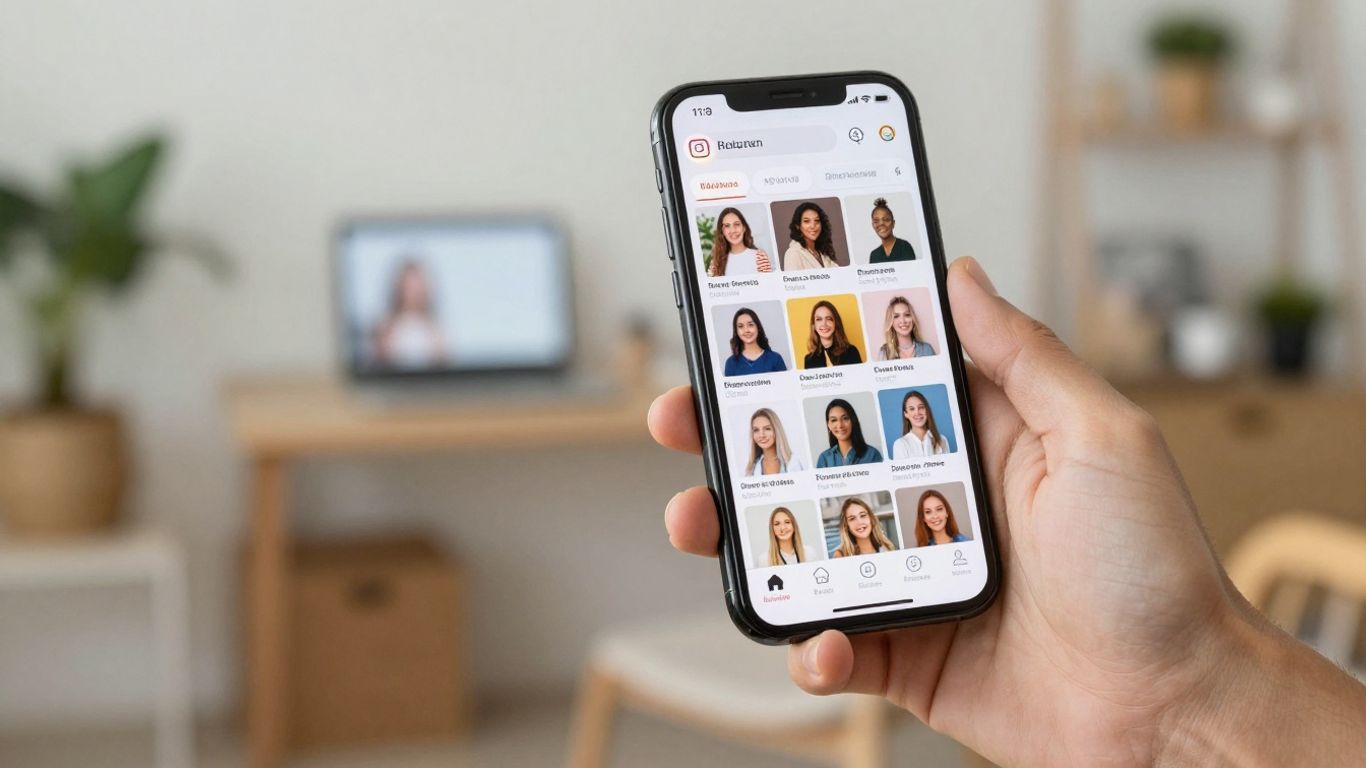
Okay, so you’ve got your Instagram profile looking sharp and you’ve picked out some great affiliate programs. Now comes the fun part: making content that actually gets people interested. It’s not just about slapping a product picture up and hoping for the best. You need to create posts that people want to see, that help them, and that naturally lead them to check out what you’re recommending.
Content Ideas That Drive Clicks
Think about what your followers are struggling with or what they’re excited about. Your content should align with that. Instead of just showing a product, show it in action. How does it solve a problem? How does it make life easier or more fun? Here are a few ideas to get you started:
- Tutorials/How-Tos: Show people how to use a product step-by-step. This is super helpful and builds trust. For example, if you’re promoting a new kitchen gadget, show a quick recipe you made with it.
- Problem/Solution Posts: Highlight a common issue your audience faces and then present the affiliate product as the solution. Keep it relatable and honest.
- Behind-the-Scenes: Show how you personally use the product in your daily life. This adds a layer of authenticity that people connect with.
- Comparisons: If there are a few similar products, compare them. This helps people make informed decisions and positions you as a helpful resource.
- User-Generated Content (with permission): Share posts from happy customers or users of the product. Social proof is powerful.
Remember, the goal is to provide value first. When people feel like you’re genuinely helping them, they’re much more likely to trust your recommendations. You can find great resources on how to build your affiliate marketing strategy on Instagram for affiliate marketing.
Crafting Compelling Captions And Calls To Action
Your caption is where you tell the story and guide your audience. Start with a hook that grabs attention. Ask a question, share a surprising fact, or state a relatable problem. Then, explain why the product is a good fit. Don’t just say "buy this." Instead, explain the benefits clearly. What will they gain? How will it improve their situation?
Finally, you need a clear call to action (CTA). Tell people exactly what you want them to do next. Phrases like "Tap the link in bio to learn more," or "Shop this look via the link in my profile" work well. Make it easy for them to find your affiliate link.
People are bombarded with ads all day. Your content needs to stand out by being helpful and real. If you’re always trying to sell, people will tune out. Focus on building a connection first.
Leveraging Instagram Stories And Reels For Sales
Stories and Reels are fantastic for affiliate marketing because they feel more immediate and personal. Use Stories for quick demos, polls asking about product interest, or Q&A sessions about the products you promote. You can use the "link sticker" in Stories to directly link to the affiliate product, which is super convenient for your followers.
Reels are great for short, engaging videos. Think quick product reviews, before-and-after transformations, or fun ways to use a product. The key is to be creative and entertaining. Since Reels have a wide reach, they can introduce new people to your recommendations. The more engaging and helpful your content, the more likely people are to click your links.
Driving Traffic To Your Affiliate Links
Okay, so you’ve got your Instagram profile looking sharp, you’ve picked a niche that makes sense, and you’ve even found some affiliate programs you like. That’s awesome! But now comes the big question: how do you actually get people to see your affiliate links and, you know, click on them? It’s not just about slapping a link anywhere and hoping for the best. You need a plan.
Strategies For Link Placement On Instagram
Instagram is a bit tricky when it comes to links. You can’t just put them in every post caption and expect magic. Here’s where you can put them and how to do it right:
- Link in Bio: This is the classic spot. You get one clickable link here. Make it count! You can use a link-in-bio tool (like Linktree or Beacons) to create a mini-landing page with multiple links if you’re promoting several things. Just make sure you tell people exactly what they’ll find when they click.
- Instagram Stories: If you have over 10,000 followers or a verified account, you get the ‘swipe up’ feature (now a link sticker). This is gold! Use it when you’re talking about a product or service directly. Make the call to action clear – "Swipe up to learn more!"
- Reels: While you can’t put clickable links directly in Reels captions, you can mention "Link in bio!" or use text overlays to direct people. The goal is to make the Reel so good that people want to go find that link.
- Product Tags (if eligible): If you’re promoting physical products and have an Instagram Shop set up, you can tag products directly in your posts and Stories. This makes the buying process super smooth for your followers.
The key is to make your link placement feel natural and helpful, not forced.
Building An Engaged Follower Base
Honestly, the best way to get clicks is to have people who actually trust you and are interested in what you have to say. Traffic isn’t just about numbers; it’s about the right numbers.
- Consistent Posting: Keep showing up regularly. Whether it’s daily posts, Stories, or Reels, consistency builds habit for your audience.
- Engage Back: When people comment or message you, reply! Ask questions in your captions and Stories to get conversations going. People are more likely to click a link from someone they feel a connection with.
- Provide Value: Share tips, tutorials, behind-the-scenes looks, or just entertaining content related to your niche. If you’re always selling, people will tune out. Give them a reason to follow you beyond just the affiliate offers.
- Know Your Audience: Pay attention to what they like, what they struggle with, and what they ask about. This helps you recommend products that genuinely solve their problems.
Building a community takes time. Don’t get discouraged if you don’t see massive engagement overnight. Focus on genuine connection, and the clicks will follow.
Collaborating With Other Creators
Teaming up with other Instagrammers in your niche can be a fantastic way to get your affiliate offers in front of a new, relevant audience. Think of it as cross-promotion.
- Shoutout Swaps: If you have a similar follower count and engagement level, you can agree to shout each other out in Stories or posts.
- Joint Lives or Reels: Go live together to discuss a topic and mention relevant affiliate products. You could also create a collaborative Reel.
- Guest Posting/Takeovers: Offer to create content for another creator’s account for a day, or vice versa. This exposes your audience to their recommendations and their audience to yours.
When collaborating, always be transparent about any affiliate links involved. Authenticity is everything on Instagram.
Tracking And Analyzing Your Performance
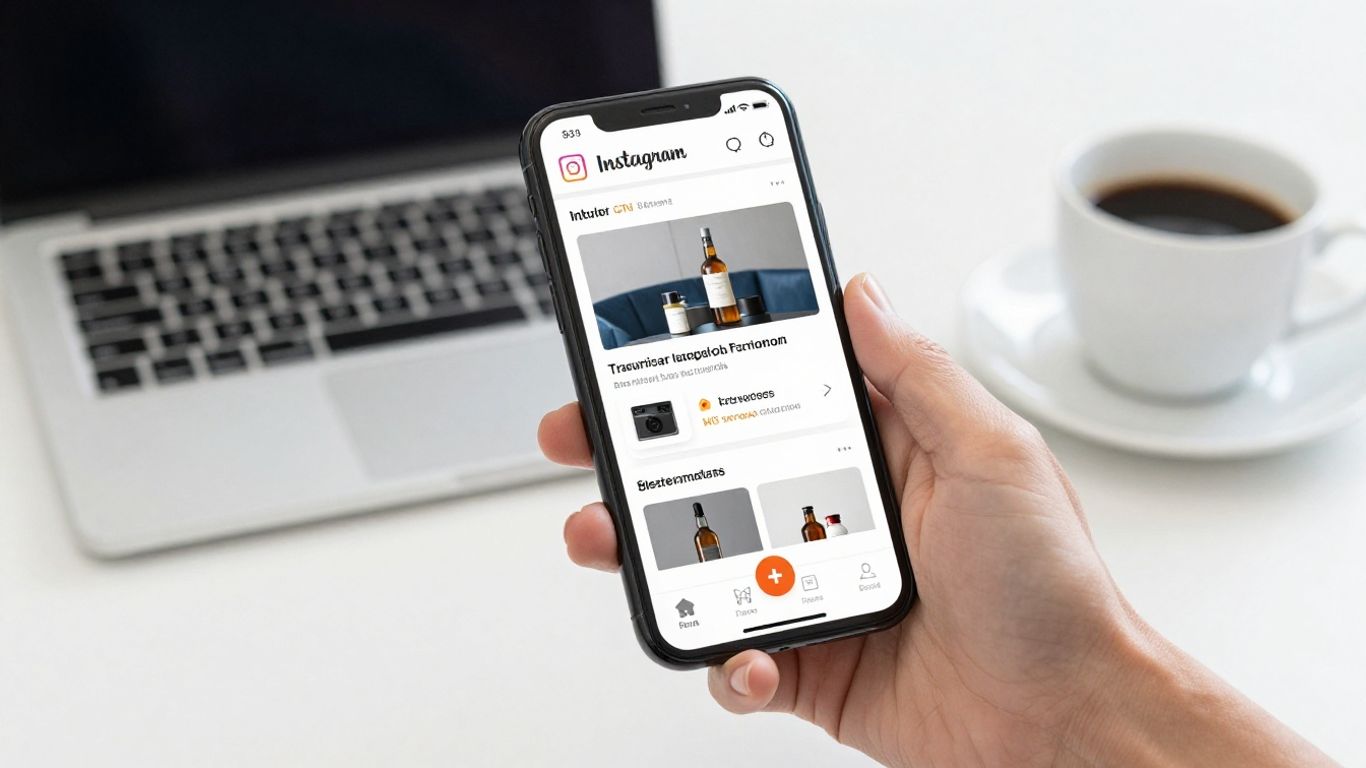
So, you’ve put in the work, created some great content, and started sharing those affiliate links. Awesome! But how do you know if any of it is actually working? That’s where tracking and analyzing come in. It’s not just about posting; it’s about understanding what clicks with your audience and what doesn’t. Paying attention to your numbers is how you get better.
Understanding Key Affiliate Marketing Metrics
When you’re starting out, it can feel like a lot of numbers. But a few key metrics will tell you most of what you need to know. Think of them as your report card.
- Clicks: How many people actually clicked on your affiliate link? This tells you if your call to action and link placement are effective.
- Conversions: This is the big one. How many of those clicks turned into actual sales or sign-ups? This is the ultimate measure of success.
- Earnings Per Click (EPC): This is your total earnings divided by the number of clicks. It gives you an idea of how much each click is worth on average.
- Click-Through Rate (CTR): This is the percentage of people who saw your post and clicked the link. A higher CTR usually means your content is engaging.
Using Instagram Insights to Optimize
Instagram itself gives you a ton of data, and it’s free! You just need to know where to look. Your Instagram Insights can show you:
- Reach and Impressions: How many people saw your content and how many times it was viewed overall.
- Engagement Rate: Likes, comments, shares, and saves relative to your follower count or reach. High engagement often means your content is hitting the mark.
- Audience Demographics: Who is actually following you? Knowing their age, location, and when they’re most active helps you tailor your content. You can use this data to accelerate growth.
- Profile Visits and Website Clicks: This directly shows how many people are interested enough to check out your profile or click through to your link in bio.
Tools for Tracking Affiliate Sales
While Instagram Insights tells you about your Instagram performance, you’ll need other tools to see the actual affiliate sales. Most affiliate programs provide a dashboard where you can see clicks, sales, and commissions. Some popular affiliate networks also have their own tracking systems. For more advanced tracking, especially if you’re using multiple platforms or complex funnels, you might look into dedicated affiliate tracking software. This helps you see exactly which posts and campaigns are driving revenue, giving you key metrics to monitor.
Navigating Common Challenges
Even with the best plans, affiliate marketing on Instagram isn’t always smooth sailing. You’ll run into a few bumps along the way, and knowing how to handle them makes a big difference. It’s all part of the learning process, really.
Dealing With Instagram Algorithm Changes
Instagram’s algorithm is like a moody teenager – it changes its mind a lot. One day your posts are flying, the next they’re buried. This can mess with your reach and, by extension, your affiliate sales. The key is not to panic but to stay adaptable. Instead of relying on just one type of content or strategy, diversify. Experiment with Reels, Stories, and feed posts. Pay attention to what Instagram seems to be pushing at any given time and adjust your content accordingly. It’s also smart to build an email list; that way, you have a direct line to your audience that isn’t dependent on the algorithm.
Maintaining Authenticity With Your Audience
People follow you because they like you and what you share. If you suddenly start plastering your feed with random product links, they’ll notice. It feels disingenuous. Always be honest about your affiliate relationships. Use clear disclosures, like #ad or #sponsored. More importantly, only promote products you genuinely use and believe in. If you wouldn’t recommend it to a friend, don’t recommend it to your followers. Building trust is way more important than a quick commission.
Authenticity isn’t just about disclosures; it’s about aligning your promotions with your overall content and values. If you talk about fitness, promoting a random tech gadget might feel out of place. Stick to what makes sense for your niche and your audience’s interests.
Avoiding Common Beginner Mistakes
Lots of new affiliate marketers make the same errors. It’s easy to fall into these traps, but being aware helps you sidestep them. Here are a few big ones:
- Spamming Links: Dropping affiliate links everywhere without context or value. People get annoyed, and Instagram might even flag your account.
- Promoting Too Much: Overloading your feed with promotional content. Your followers want value, not just sales pitches.
- Not Disclosing: Failing to tell people you’re earning a commission. This is not only bad practice but can also be illegal in some places.
- Giving Up Too Soon: Expecting overnight success. Affiliate marketing takes time and consistent effort to build momentum. Check out avoiding common pitfalls for more on this.
- Ignoring Analytics: Not looking at what’s working and what’s not. You need data to improve your strategy.
It’s a learning curve, for sure. But by staying aware of these common issues and focusing on providing real value, you’ll be much better positioned for success.
Wrapping It Up
So, that’s the lowdown on using Instagram for affiliate marketing. It’s not some magic trick, but it’s definitely doable if you put in the work. Remember to focus on creating content your followers actually like, be honest about the products you share, and don’t expect to get rich overnight. Building trust takes time, and that’s the real key here. Keep learning, keep trying new things with your posts, and you’ll start to see results. It’s a journey, for sure, but one that can lead to some pretty cool opportunities if you stick with it.
Frequently Asked Questions
What exactly is affiliate marketing?
Think of it like this: you tell your friends about a cool new game, and if they buy it because you recommended it, the game company gives you a small thank you payment. Affiliate marketing is similar, but online. You share links to products or services you like, and when someone buys through your link, you earn a commission.
Why is Instagram a good place for affiliate marketing?
Instagram is super popular, and lots of people use it to discover new things. It’s a very visual platform, so you can show off products in fun ways through pictures and videos. Plus, you can connect directly with your followers and build trust, which makes them more likely to listen to your recommendations.
How do I find products to promote?
You can join affiliate programs offered by companies directly, or sign up for affiliate networks. These networks connect you with many different brands. Look for products that fit your interests and what your followers might like. It’s best to promote things you genuinely use and believe in.
How do I put my affiliate links on Instagram?
Instagram doesn’t let you put clickable links in regular post captions. The best places are in your bio (you can have one main link there) and in your Instagram Stories using the link sticker. You can also direct people to a link in your bio from your posts and Reels.
How can I get people to click my links?
You need to create content that people enjoy and find useful. Share helpful tips, entertaining videos, or honest reviews related to the products you’re promoting. Always tell people clearly what you want them to do, like ‘Click the link in my bio to learn more!’ Make sure your recommendations feel natural and not pushy.
How will I know if my affiliate marketing is working?
You’ll track your results! Most affiliate programs give you a special dashboard where you can see how many clicks your links get and how many sales you make. Instagram also has its own insights that show you how many people see your posts and stories. This helps you understand what’s working best.