

Starting out in affiliate marketing can feel like a maze, right? So many people jump in thinking it’s a quick ticket to easy money, but then they hit a wall. This guide is for those beginners who are ready to get real about affiliate marketing. We’re going to cover the common affiliate marketing beginner mistakes and how to steer clear of them, focusing on building something solid that actually works. Let’s get into it.
Key Takeaways
- Picking the right niche and products is your first big step; don’t just go for anything, find something that makes sense for you and has earning potential.
- You need a place to share your affiliate links, whether that’s a website, a social media profile, or something else. Figure out what works best for you.
- Getting people to see your links is the next challenge. You’ll need to learn about getting traffic, whether through search engines, social media, or ads.
- Just getting clicks isn’t enough. You need to help people decide to buy. This means writing helpful stuff and making it easy for them to click that buy button.
- A lot of people quit because they expect instant results or get discouraged. Building a real affiliate income takes time, effort, and sticking with it, even when it’s tough.
Choosing The Right Niche And Products
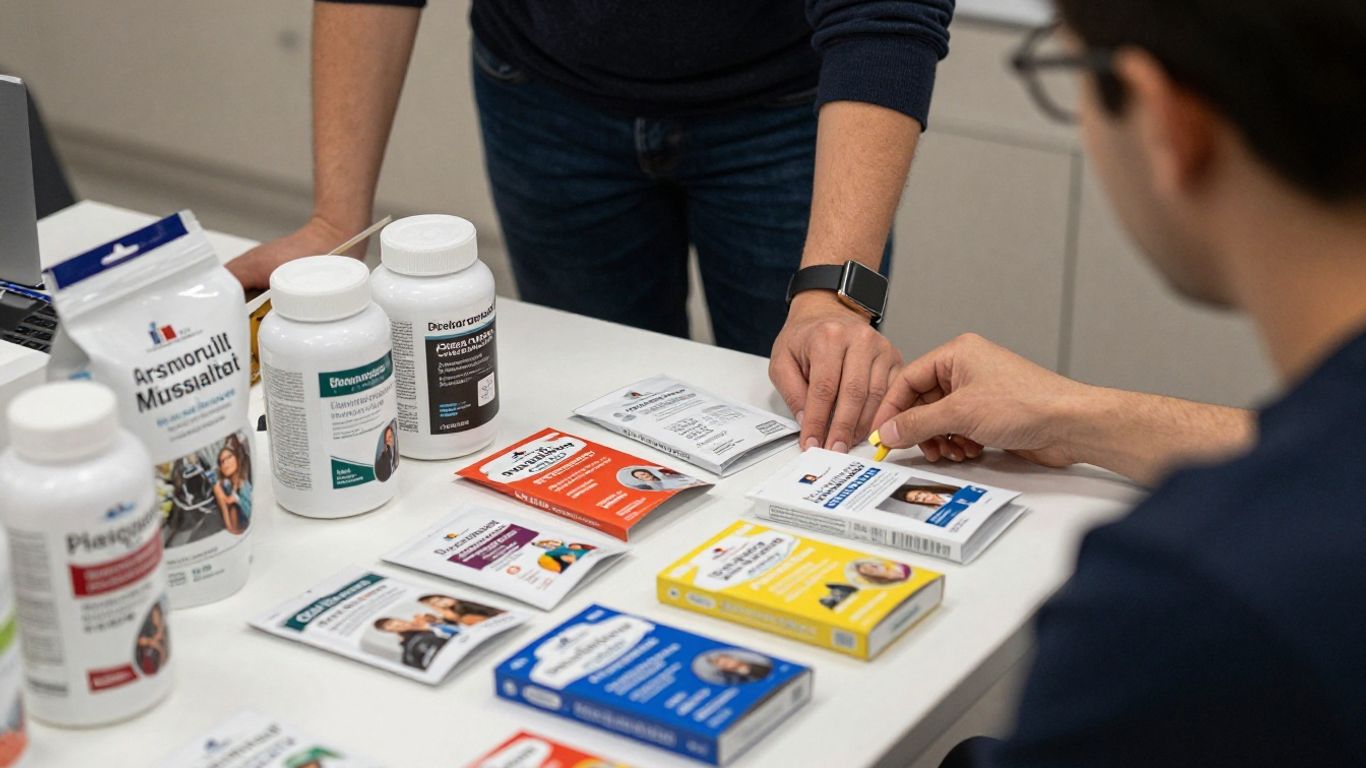
Alright, so you’re looking to get into affiliate marketing. That’s cool. The first big step, and honestly, one of the most important, is figuring out what you’re actually going to promote. This isn’t just about picking something you like; it’s about finding a sweet spot where your interests meet what people are willing to spend money on. Get this wrong, and you’ll be spinning your wheels.
Selecting A Profitable Niche
Think about what you’re genuinely interested in. Seriously, what do you find yourself reading about or doing in your free time? It could be anything – gardening, video games, cooking, personal finance, fitness, you name it. The key is to pick something you won’t get bored with after a month. You’ll be creating a lot of content, so passion helps a ton.
But interest alone isn’t enough. You also need to see if there’s money to be made. Are people actively searching for information on this topic? Are there products or services related to it that people buy? A quick look at Google Trends or even just searching for related terms can give you an idea. If nobody’s looking for it, or if there are no products to promote, it’s probably not a good niche.
Here are a few areas that tend to do well:
- Health and Wellness: People are always looking to improve their health, lose weight, or manage conditions.
- Personal Finance: With rising costs, people need advice on saving, investing, and managing debt.
- Hobbies and Crafts: From knitting to woodworking, people spend money on their passions.
- Technology: New gadgets and software are always coming out, and people want reviews and recommendations.
Choosing a niche is like picking a neighborhood to live in. You want it to be somewhere you enjoy, but also somewhere with opportunities and a good community. Don’t just pick the flashiest place; pick one that fits you and has potential.
Identifying Winning Affiliate Products
Once you’ve got a niche, it’s time to find products. Don’t just jump on the first thing you see. Look for products that:
- Solve a problem: Does the product actually help someone with a specific issue in your niche?
- Have good reviews: What are other people saying about it? You don’t want to recommend junk.
- Offer a decent commission: How much will you actually earn per sale?
Think about the audience you’re trying to reach. What are their biggest pain points? What solutions are they actively seeking? The best affiliate products are those that genuinely help your audience and align with the content you’re creating. For example, if you’re writing about home cooking, recommending a specific brand of blender or a cookbook makes sense. It’s not just about slapping a link anywhere; it’s about providing a helpful recommendation. You can often find affiliate programs through major retailers like Amazon Associates, or by searching for ‘best affiliate programs for beginners‘ in your niche.
High Ticket Versus Low Ticket Offers
This is an important distinction. You’ll see both high-ticket and low-ticket offers out there.
- Low-ticket offers are usually cheaper items, like a $20 gadget or a $10 ebook. You’ll need to sell a lot of these to make significant money, but they’re often easier to sell because the price is lower.
- High-ticket offers are more expensive items, like a $1,000 software subscription or a $5,000 course. You’ll earn a much bigger commission per sale, but they’re harder to sell because the price is high. People need more convincing and trust.
Many beginners start with a mix of both. You might promote some lower-priced items to get sales rolling in and build confidence, while also looking for those bigger-ticket items that can really move the needle on your income. It’s a balancing act, and what works best often depends on your niche and your audience’s buying power. Some platforms, like ClickFunnels, offer higher-ticket solutions for businesses looking to build sales funnels, which can be a good option if your audience is looking for advanced marketing tools.
Building Your Affiliate Platform
Alright, so you’ve picked your niche and found some products to promote. Now what? You need a place to actually do the promoting. Think of it like setting up shop. You wouldn’t try to sell lemonade without a table, right? Same idea here. You need a platform.
Creating Your First Affiliate Website
This is probably the most common way people start. You build a website, put up some helpful content, and sprinkle in your affiliate links. It sounds simple, and it can be, but there’s a bit more to it than just slapping some pages together. You want it to look decent, be easy to use, and actually help people. That way, they’ll trust you and be more likely to click your links.
Here’s a basic rundown of how to get started:
- Choose a Domain Name: Pick something that’s easy to remember and related to your niche. Like ‘BestDogTreatsReviews.com’ if you’re reviewing dog treats.
- Get Web Hosting: This is where your website files live. There are tons of options out there, from cheap shared hosting to more robust plans.
- Install a Website Builder: Most people use WordPress. It’s free, flexible, and there are tons of tutorials online.
- Design Your Site: Pick a theme that looks good and is mobile-friendly. Keep it clean and simple.
- Create Core Pages: You’ll need an About page, a Contact page, and a Privacy Policy. Then, start adding your content pages.
Building a website from scratch can feel daunting, but it’s a solid foundation for long-term success. It gives you a central hub for all your affiliate marketing efforts.
Affiliate Marketing Without A Website
Now, I know what some of you might be thinking: "Do I really need a whole website?" The answer is no, not always. There are ways to do affiliate marketing without owning a website. This can be a good option if you’re really short on time or just want to test the waters.
Some popular methods include:
- Social Media: Platforms like Instagram, TikTok, or Pinterest can be great. You can share links in your bio, stories, or posts (where allowed).
- YouTube: Create video reviews or tutorials and put your affiliate links in the description.
- Email Marketing: Build an email list and send out promotions directly to your subscribers.
- Online Communities: Participate in forums or Facebook groups related to your niche and share helpful advice, subtly including your links when appropriate.
It’s important to remember that when you don’t own the platform (like social media), you’re subject to their rules. If they change something, your whole strategy could be affected. That’s why having your own website is generally recommended for stability.
Essential Tools For Affiliate Marketers
To make things easier and more effective, there are a few tools that can really help. You don’t need all of them right away, but as you grow, they become pretty useful.
- Website Hosting & Domain: As mentioned, you need a place for your site. Companies like Bluehost or SiteGround are popular choices for beginners.
- Email Marketing Service: Tools like ConvertKit or Mailchimp help you collect emails and send out newsletters or automated sequences. This is super important for building relationships.
- Link Tracking Software: This helps you see which links are getting clicked and where your traffic is coming from. Some affiliate networks have this built-in, but dedicated tools offer more detail.
- Keyword Research Tools: To figure out what people are actually searching for, tools like Ahrefs or SEMrush (though these can be pricey) or even free options like Google Keyword Planner are helpful.
Starting out, focus on the absolute basics. Get your website or chosen platform set up, and then worry about the fancy tools. You can always add more as you start seeing results and understand what you need.
Don’t get bogged down trying to have the perfect setup from day one. The goal is to get started and learn as you go. You can always improve your platform and tools later. The important thing is to have a place to send people and start sharing your recommendations. This is where the real work begins, so let’s get building! Start building your platform today.
Driving Traffic To Your Offers
Okay, so you’ve picked your niche and found some great products to promote. Awesome. But here’s the thing: nobody’s going to buy anything if they don’t even know your offer exists. Getting people to see what you’re talking about is where the real work begins. It’s not just about slapping links everywhere; it’s about attracting the right kind of attention. Think of it like opening a shop – you can have the best products, but if it’s hidden down a dark alley with no signs, you won’t get many customers.
Search Engine Optimization For Beginners
This is all about making your content show up when people search for things related to your niche on Google or other search engines. It sounds complicated, but for beginners, it’s about a few key things. First, you need to figure out what words people are actually typing into search engines. These are your keywords. You want to use these keywords naturally in your website content, especially in your titles and headings. Think about what questions someone new to a topic might ask. Then, answer those questions clearly and thoroughly.
Another big part is making sure your website is technically sound. This means it loads fast and works well on phones. Google likes sites that give a good user experience. Finally, getting other reputable websites to link back to yours (backlinks) is like a vote of confidence. It tells Google your site is trustworthy and important. It takes time, but building organic traffic this way is super solid for the long run.
Leveraging Social Media For Traffic
Social media can be a goldmine for traffic, but you can’t just post links and expect magic. You need to actually engage with people. Different platforms work for different niches. If you’re promoting something visual, Instagram or Pinterest might be great. If you’re in a more discussion-based niche, maybe Facebook groups or even Twitter. The key is to provide value first. Share helpful tips, answer questions, and build a community around your topic. Only then do you start introducing your affiliate offers.
Here’s a quick breakdown:
- Choose the right platforms: Don’t try to be everywhere. Pick 1-2 platforms where your target audience hangs out.
- Create engaging content: This could be short videos, helpful graphics, or interesting posts that get people talking.
- Interact genuinely: Respond to comments, join conversations, and be a real person, not just a promotion bot.
- Use calls to action: Gently guide people to check out your affiliate offers when it makes sense, like in your bio or when directly asked for a recommendation.
Paid Advertising Strategies For Affiliates
Paid ads, like Google Ads or Facebook Ads, can get you traffic much faster than SEO or social media. It’s like paying for a billboard instead of waiting for people to stumble upon your shop. However, it costs money, and you can burn through your budget quickly if you don’t know what you’re doing. For beginners, it’s often best to start small and focus on highly specific keywords or audiences. You need to track your results very closely to see which ads are making you money and which are just costing you.
Paid advertising requires careful planning and constant monitoring. It’s not a ‘set it and forget it’ strategy. You need to understand your audience, craft compelling ad copy, and set a budget you’re comfortable with. Always test different ad variations to see what performs best.
When you’re starting with paid ads, consider these points:
- Start with a small budget: Test the waters before committing a lot of money.
- Target precisely: Focus on keywords or demographics that are most likely to convert.
- Track everything: Use tracking tools to see your return on ad spend (ROAS).
- Have a good landing page: The page people land on after clicking your ad needs to be relevant and persuasive.
Getting traffic is a continuous process. You’ll likely use a mix of these methods to bring people to your affiliate offers. It’s about finding what works best for you and your audience. For a structured approach to building an online business, check out the AI Business Builder Challenge. It can help you get started quickly.
Converting Visitors Into Buyers
So, you’ve got people checking out your affiliate links. That’s awesome! But getting them to actually click that ‘buy’ button? That’s where the real work begins. It’s not just about showing them a product; it’s about making them want it and trust that it’s the right choice for them. Think of it like this: you wouldn’t just point someone to a random store and expect them to buy something, right? You’d guide them, explain why a certain item is good, and maybe even offer a little nudge. That’s what we’re doing here.
Building An Email List For Sales
This is probably one of the most important things you can do. Your email list is like your direct line to potential customers. Instead of hoping they stumble back to your site, you can reach out to them directly. How do you get them to sign up? You offer them something for free, like a checklist, a short guide, or access to a special video. This is called a lead magnet. Once they’re on your list, you can send them helpful content, build a relationship, and then, when the time is right, introduce them to affiliate offers that can help them.
- Offer a valuable freebie: Make it something genuinely useful related to your niche.
- Use clear opt-in forms: Make it super easy for people to subscribe.
- Nurture your list: Don’t just spam them with offers. Send regular, helpful emails.
Crafting Compelling Content
Your content is what draws people in and keeps them interested. Whether it’s a blog post, a video, or a social media update, it needs to be engaging. When you’re talking about an affiliate product, don’t just list features. Explain how it solves a problem for your audience. Tell a story. Share your own experience with it, if you have one. People connect with real stories and relatable problems. The goal is to be helpful first, and promotional second.
Here’s a quick breakdown of what makes content convert:
- Problem/Solution: Clearly state a problem your audience faces and how the product solves it.
- Benefits over Features: Instead of saying ‘it has 10GB of storage,’ say ‘you can store thousands of photos without worrying about space.’
- Social Proof: Mentioning if others have had good experiences can help.
- Clear Call to Action: Tell people exactly what you want them to do next, like ‘Check out the [product name] here.’
Understanding Conversion Rate Optimization
Conversion rate optimization, or CRO, is all about making small tweaks to your website or content to get more people to take the action you want them to take – in this case, buying a product. It sounds technical, but it can be pretty straightforward. It’s about understanding what’s working and what’s not. Maybe your ‘buy now’ button is too small, or maybe the page loads too slowly. Small changes can make a big difference.
Sometimes, the simplest changes have the biggest impact. Don’t get bogged down in complex strategies when a clearer headline or a better-placed link could be the answer. Test things out and see what your audience responds to.
Here are a few areas to look at:
- Page Load Speed: Slow pages lose visitors. Use tools to check and improve this.
- Call to Action (CTA) Buttons: Are they visible? Do they stand out? Is the text clear?
- Mobile Friendliness: Most people browse on their phones. Your site must work well on mobile.
- Clarity of Offer: Is it obvious what you’re recommending and why?
Getting people to buy isn’t magic; it’s about building trust, providing value, and making it easy for them to say ‘yes’. If you focus on helping your audience, the sales will follow. You can find a great affiliate marketing blueprint for beginners to help you structure your approach.
Avoiding Common Pitfalls
The Myth Of Getting Rich Quick
Look, affiliate marketing isn’t a magic money tree. A lot of people jump into this thinking they’ll be rolling in cash overnight, and when that doesn’t happen, they get discouraged and quit. It’s easy to see those flashy ads promising instant wealth, but that’s just not how it works. Building a real income takes time, effort, and a solid strategy. You’re essentially building a business, and businesses don’t become profitable in a week. Patience and consistent action are your best friends here. Don’t fall for the hype; focus on providing genuine value to your audience. If you’re looking for a quick fix, this probably isn’t it. It’s more about the long game, building trust, and slowly growing your income. Remember, there are no guarantees in this field, and income representations are aspirational, not typical [2444].
Overcoming Imposter Syndrome
Ever feel like you’re just faking it until you make it? That’s imposter syndrome, and it’s super common, especially when you’re starting out. You see others who seem to know so much more, and you start doubting your own abilities. Maybe you think you’re not qualified to give advice or recommend products. But here’s the thing: everyone starts somewhere. You don’t need to be a guru to help someone else take their first step. Focus on what you do know and share that. As you learn more, you can share that too. Documenting your journey can actually be a powerful way to connect with your audience and show them that you’re growing alongside them. It’s okay to not have all the answers right away. Just keep learning and keep sharing [9c08].
Staying Consistent In Your Efforts
Consistency is probably the most talked-about, yet least-practiced, aspect of affiliate marketing. It’s easy to get motivated for a few days or weeks, put in a lot of work, and then let things slide when life gets busy or results aren’t immediate. But affiliate marketing requires a steady rhythm. Think of it like tending a garden; you can’t just water it once and expect a harvest. You need to show up regularly.
Here’s a simple breakdown of what consistent effort looks like:
- Content Creation: Regularly publishing helpful blog posts, videos, or social media updates.
- Audience Engagement: Responding to comments, emails, and messages consistently.
- Learning & Adapting: Staying updated on trends and refining your strategies based on what’s working.
- Promotional Activities: Gently introducing affiliate offers where they naturally fit into your content.
Without this steady effort, your audience won’t grow, and your income potential will remain stagnant. It’s about building momentum over time, not chasing quick wins.
Tracking And Analyzing Performance
Okay, so you’ve put in the work, built your platform, and started sending people to offers. Now what? This is where things get really interesting, and honestly, where a lot of beginners drop the ball. You can’t just set it and forget it. You need to know what’s working and what’s not.
Properly Tracking Affiliate Links
This is non-negotiable. If you don’t track your links, you’re flying blind. You need to know which links are getting clicked and, more importantly, which ones are leading to sales. Most affiliate programs provide basic tracking, but for a clearer picture, you might want to look into dedicated affiliate marketing tracking tools. These tools can help you see the whole journey, from the click to the conversion. It’s about understanding the performance of each link you put out there.
Here’s a quick rundown of why tracking is so important:
- Know Your Winners: Identify which content and which offers are actually making you money.
- Spot the Losers: See where your efforts are falling flat so you can stop wasting time.
- Optimize Your Strategy: Use the data to make smarter decisions about where to focus your energy.
- Detect Issues: Catch problems like broken links or incorrect tracking codes before they cost you sales.
Understanding Affiliate Commissions
Commissions are how you get paid, so understanding how they work is pretty important. They aren’t always as straightforward as you might think. You’ll see different types, and knowing the difference helps you set realistic income goals.
- Percentage of Sale: The most common type. You get a set percentage of the total sale price. For example, a 5% commission on a $100 product means you get $5.
- Flat Fee Per Sale: You get a fixed amount for every sale, regardless of the product’s price. This is common for digital products or services.
- Recurring Commissions: This is the golden ticket for many. You earn a commission every month (or year) as long as the customer keeps paying for the subscription service you promoted.
- Tiered Commissions: Some programs offer higher commission rates if you hit certain sales targets. The more you sell, the higher your percentage.
Always read the terms and conditions of each affiliate program carefully. They’ll spell out exactly how and when you get paid, and what the commission structure is. Don’t assume anything.
Setting Realistic Income Expectations
This is where that ‘get rich quick’ myth really bites people. Affiliate marketing takes time and effort. You’re not going to make thousands overnight. It’s a marathon, not a sprint. Think about it like building any other business; it requires consistent work and patience.
Here’s a more realistic look:
- Month 1-3: Focus on setting up your platform, creating content, and understanding the basics. Don’t expect much income, maybe a few sales if you’re lucky.
- Month 4-6: You should start seeing some consistent clicks and maybe a few sales. You’ll be learning what works and refining your approach. Income might be small but steady.
- Month 7-12: With consistent effort and optimization, you can start seeing more significant income. This is when your efforts begin to compound. You’ll have a better grasp of affiliate program management and how to scale.
- Year 2+: If you’ve stayed consistent and adapted, you can build a substantial income stream. This is where the real freedom starts to kick in.
Remember, these are just general timelines. Your results will depend on your niche, your traffic, your offers, and how much effort you put in. Don’t get discouraged if you’re not seeing huge numbers right away. Keep learning, keep testing, and keep going.
Wrapping It Up
So, we’ve gone over some common pitfalls beginners stumble into with affiliate marketing. It’s easy to get excited and want to jump in headfirst, but taking a moment to understand these mistakes can save you a lot of headaches. Remember, this isn’t a get-rich-quick scheme. It takes time, effort, and a willingness to learn. Don’t get discouraged if your first few attempts don’t bring in huge numbers. Keep refining your approach, stay consistent, and focus on genuinely helping your audience. You’ve got this.
Frequently Asked Questions
What is affiliate marketing and how does it work?
Affiliate marketing is like recommending products you like to your friends. When they buy something through your special link, you get a small thank you payment. It’s a way to earn money by sharing things you believe in online.
Do I need a website to start affiliate marketing?
Not necessarily! While a website can be super helpful, you can also use social media platforms like Instagram, TikTok, or YouTube to share your links. You can even use email or create simple landing pages.
How long does it take to make money with affiliate marketing?
There’s no magic timeline. Some people see results in a few weeks, while others take several months. It really depends on how much effort you put in, the niche you choose, and how well you connect with your audience. It’s not a get-rich-quick scheme, so be patient and keep working.
What’s the difference between high-ticket and low-ticket offers?
High-ticket offers are usually for expensive items, meaning you get a bigger commission for each sale. Low-ticket offers are for cheaper items, so you need to sell more to make the same amount of money. Both can work, but they require different strategies.
How can I get people to click my affiliate links?
You need to build trust and offer value. Create helpful content like reviews, tutorials, or comparison guides that naturally lead people to your recommendations. Focus on solving their problems, and they’ll be more likely to trust your suggestions.
What if I’m afraid I’m not good enough to do affiliate marketing?
That feeling is super common, especially when you’re starting out! It’s called imposter syndrome. Remember that everyone starts somewhere. Focus on learning, taking small steps, and celebrating your progress. You have what it takes to learn and grow!