

Lots of people talk about affiliate marketing, but there’s a lot of confusion out there. You see ads promising easy money, and it’s easy to get the wrong idea. This guide cuts through the noise to give you the real story. We’re going to look at common affiliate marketing myths vs reality, so you know what to expect and how to actually get started.
Key Takeaways
- Affiliate marketing isn’t a ‘get rich quick’ scheme; it takes time and effort.
- Building an audience or a website is necessary, but you don’t need a massive one to start.
- Success takes patience. Don’t expect big earnings in the first few weeks or months.
- Choosing the right niche and products that fit your audience is super important.
- Focus on providing value and building trust; sales will follow.
Debunking Common Affiliate Marketing Myths

Alright, let’s talk about affiliate marketing. You see it everywhere, right? People promising you the moon, talking about passive income streams that magically appear. It’s easy to get caught up in the hype, but like most things that sound too good to be true, there are definitely some myths floating around that we need to clear up. Let’s get real about what affiliate marketing actually is.
The ‘Get Rich Quick’ Fallacy
This is probably the biggest one. You’ll see ads and posts that make it seem like you can sign up today and be rolling in cash by next week. That’s just not how it works. Affiliate marketing is a business, and like any business, it takes time, effort, and strategy to build. You’re not going to become a millionaire overnight. It’s more like planting a garden; you have to prepare the soil, plant the seeds, water them, and wait for them to grow. Expecting instant results is a fast track to disappointment.
Building a sustainable income through affiliate marketing is a marathon, not a sprint. It requires consistent effort and a long-term perspective.
Affiliate Marketing Requires No Effort
Another common misconception is that you can just slap some links on a page and call it a day. Nope. While it’s true that you don’t have to create your own products or handle customer service, you do have to put in the work. This means researching your niche, finding good products, creating content that people actually want to read or watch, driving traffic to your site, and building trust with your audience. It’s a lot more involved than just dropping links.
You Need A Huge Audience To Start
This one stops a lot of beginners in their tracks. They think, "I don’t have thousands of followers, so what’s the point?" The truth is, you don’t need a massive following to start making sales. What you do need is an audience that trusts you and is interested in what you have to say. Even a small, engaged group can be more profitable than a huge, unengaged one. You can start building that trust and engagement from day one, even with just a handful of readers or viewers. Focusing on a specific niche helps attract the right people.
All Affiliate Programs Are The Same
Not all affiliate programs are created equal. Some offer tiny commissions, while others offer much more. Some have great support and resources for their affiliates, while others leave you hanging. It’s important to do your homework and choose programs that align with your niche, offer products you genuinely believe in, and provide fair commissions and reliable tracking. Looking into best affiliate programs for beginners can save you a lot of headaches down the line.
The Realistic Timeline For Affiliate Success
Okay, let’s talk about how long it actually takes to see results with affiliate marketing. Forget those wild claims you see online; this isn’t a ‘get rich quick’ thing. It’s a real business, and like any business, it needs time to grow.
Understanding The First 30 Days
Your first month is all about setting up the foundation. Think of it like planting seeds. You’re choosing your niche, setting up your website or platform, and starting to create content. You probably won’t make much, if any, money during this period. The goal is to learn the ropes and get your systems in place. It’s about building the structure, not harvesting the crops yet.
Building Momentum Beyond The First Month
After the initial setup, you’ll start to see things pick up. This is where consistent effort really pays off. You’ll be publishing more content, refining your strategies, and hopefully, starting to get some traffic.
Here’s a rough idea of what you might expect:
- Month 1-3: Focus on learning, setup, and initial content creation. Expect minimal to no income. The main win is getting your site live and understanding the basics.
- Month 3-6: You might start seeing your first few sales. This is when your content begins to get indexed by search engines, and you might get some consistent visitors. It’s exciting, but the income will likely be small.
- Month 6-12: With consistent effort, you should see more steady growth. Traffic should increase, and your affiliate income will start to become more noticeable. This is where you can really start to see the potential.
Setting Achievable Income Expectations
It’s easy to get discouraged if you’re expecting thousands of dollars in your first week. Be realistic. Most beginners don’t make significant money for at least 3 to 6 months. A decent side income might take a year or more of dedicated work. Remember, affiliate marketing requires strategy and dedication, not just luck.
The Long Game: Patience And Consistency
Affiliate marketing is a marathon, not a sprint. The people who succeed are the ones who stick with it, even when results are slow. Consistency in creating content, promoting your links, and learning from your results is key.
Building a successful affiliate marketing business takes time and persistent effort. Don’t get caught up in the hype of overnight success. Focus on providing genuine value to your audience, and the income will follow.
Think about it this way: you’re building an asset. That asset, your website or platform, will continue to generate income over time if you nurture it. Tools like ClickFunnels can help streamline some of these processes, but they won’t do the work for you. It’s about the long-term vision and the daily actions you take to get there.
Choosing Your Profitable Niche And Products
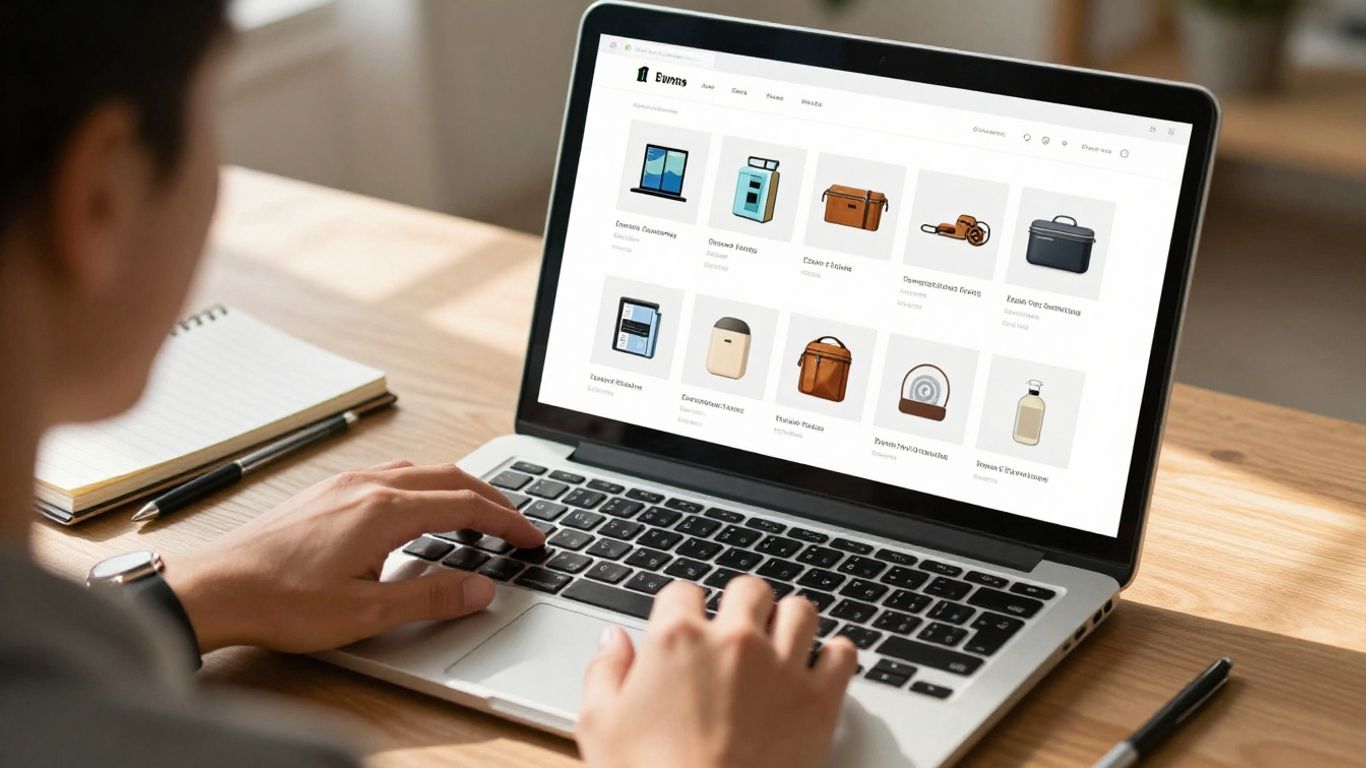
Alright, so you’re ready to pick a niche and some products to promote. This is where things get real, and honestly, it’s more important than you might think. Picking the wrong niche is like trying to sell ice to Eskimos – it’s just not going to work out well.
How To Select A Winning Niche
First off, don’t just jump into something because it seems popular. Think about what you actually enjoy or know something about. Are you obsessed with coffee makers? Do you spend hours researching the latest tech gadgets? Your genuine interest will shine through and make the whole process way more enjoyable. Plus, it’s easier to create content when you’re not faking enthusiasm.
Here’s a quick way to brainstorm:
- List your hobbies and passions: What do you do in your free time?
- Identify problems you can solve: What do people often ask you for advice on?
- Check for market demand: Are people actually searching for information and products in this area? Use tools like Google Trends or keyword research to see if there’s interest. You want to find a niche where people are actively looking for solutions.
- Look at the competition: Is the niche completely saturated, or is there room for you to offer a unique perspective? A little competition is good; it means there’s money to be made. Too much, and it might be tough to get noticed.
Remember, the goal is to find a sweet spot between what you like, what people want, and what you can actually make money from. It’s about finding a profitable niche that aligns with your interests.
High Ticket vs. Low Ticket Affiliate Marketing
When you’re looking at products, you’ll see they fall into two main categories: high ticket and low ticket. High ticket items are expensive, like software or courses, and they usually give you a bigger commission per sale. Low ticket items are cheaper, like a book or a small gadget, and the commission is smaller. For beginners, it can be tempting to go for high ticket because a single sale can make you a good chunk of money. However, selling high ticket items often requires more trust and a more involved sales process. Low ticket items are easier to sell because the price point is lower, but you’ll need to make a lot more sales to earn the same amount. Many successful affiliates use a mix of both.
Identifying The Best Affiliate Programs For Beginners
Not all affiliate programs are created equal, especially for someone just starting out. You want programs that are:
- Reputable: Partner with companies that have good products and a solid reputation. You don’t want to promote junk.
- Beginner-friendly: Look for programs that offer resources, like marketing materials or clear tracking, to help you succeed. Some programs are designed with new affiliates in mind.
- Relevant to your niche: This seems obvious, but make sure the products actually fit what you’re talking about.
- Offer decent commission rates: While not the only factor, you want to make sure the payout is worth your effort.
Some popular places to start looking include Amazon Associates (great for physical products, though commissions are lower), and various affiliate networks like ShareASale or ClickBank, which host thousands of different programs across many niches. You can also look directly at the websites of companies you like to see if they have their own affiliate program.
Evaluating Product Value For Your Audience
This is super important. You’re not just picking products to make a quick buck; you’re recommending things to people who trust your opinion. So, you need to ask yourself:
- Does this product genuinely solve a problem for my audience?
- Is it high quality?
- Would I use this myself?
- Is the price fair for what it offers?
If you can’t answer these questions honestly, it’s probably not the right product. Building trust is key in affiliate marketing, and that starts with recommending things you truly believe in. Think about the AI Online Business Builder Challenge – it focuses on teaching you how to build a business by offering real value, not just pushing random products. Your audience will thank you for it, and your affiliate income will grow more steadily in the long run. It’s all about providing genuine help and recommendations. You can find great resources on how to identify lucrative affiliate marketing niches to make sure you’re on the right track from the start.
Building Your Affiliate Marketing Foundation
Alright, so you’ve got the idea, you’ve maybe debunked some myths, and you’re ready to actually do this affiliate marketing thing. That’s awesome. But where do you even start? It can feel like standing at the bottom of a mountain, right? Don’t worry, we’re going to break down how to build a solid base so you can start climbing.
Step-By-Step Guide For Beginners
Getting started doesn’t have to be complicated. Think of it like building with LEGOs – you start with the basic bricks and build up. Here’s a simple path:
- Choose Your Niche: What are you interested in? What problems can you help people solve? Pick something you won’t get bored with.
- Find Affiliate Programs: Look for programs related to your niche. Amazon Associates is a classic starting point, but there are tons of others.
- Set Up Your Platform: This could be a simple blog, a YouTube channel, or even just social media profiles.
- Create Content: Start making helpful posts, videos, or articles that your target audience will find useful.
- Add Affiliate Links: Naturally weave your affiliate links into your content where they make sense.
- Drive Traffic: Get people to see your content. We’ll cover this more later.
- Analyze and Adjust: See what’s working and what’s not, then tweak your approach.
Creating Your First Affiliate Website
While you can do affiliate marketing without a website, having one gives you a central hub. It’s your own little piece of the internet where you control everything. For beginners, a simple blog is often the best way to go. You don’t need fancy design skills right away. Focus on clear navigation and easy-to-read content. Think about platforms like WordPress – they’re pretty user-friendly and have tons of resources available. Your website is your digital storefront.
Affiliate Marketing Without Social Media
Is it possible? Yes. Is it ideal for everyone? Maybe not. Social media can be a great way to connect with people and share your content quickly. However, it can also be a time sink, and algorithms change all the time. If social media isn’t your thing, you can absolutely focus on other traffic methods like SEO for a blog, or even paid ads if you have a budget. Building an email list is also a powerful way to communicate directly with your audience, bypassing social platforms entirely.
Can You Start Affiliate Marketing With No Money?
This is a big one for beginners. The short answer is: yes, you can start with very little money. You can create content on free platforms, use free website builders (though they often have limitations), and join free affiliate programs. The main things you’ll invest are your time and effort. You might need a small amount for a domain name and basic hosting if you go the website route, but you can often find very affordable options. It just means you’ll need to be more creative and patient.
Starting affiliate marketing without a big budget means you’ll rely heavily on organic traffic and building genuine connections. It’s a slower path, but it can build a very strong foundation if you stick with it. Don’t let a lack of funds stop you from getting started.
Driving Traffic And Generating Sales
Okay, so you’ve got your niche, your products, and your website is looking pretty good. Now comes the part where we actually get people to see it and, hopefully, buy something. This isn’t magic; it’s about smart strategies. Getting eyes on your affiliate offers is the name of the game.
SEO Strategies For Affiliate Blogs
Search Engine Optimization, or SEO, is how you get found on Google and other search engines. Think of it as making your website speak the language search engines understand. It takes time, but it’s one of the most sustainable ways to get free traffic.
Here’s a quick rundown:
- Keyword Research: Figure out what terms people are actually searching for related to your niche. Tools can help with this, but also just think like a potential customer. What would you type into Google?
- On-Page SEO: This is about making your content itself search-engine friendly. Use your keywords naturally in titles, headings, and throughout your text. Make sure your content is helpful and answers the user’s questions.
- Off-Page SEO: This mostly involves building backlinks. These are like votes of confidence from other websites. The more quality sites link to yours, the more authority Google thinks you have.
- Technical SEO: This covers the behind-the-scenes stuff like site speed, mobile-friendliness, and how easily search engines can crawl your site. A fast, well-structured site is key.
It’s a marathon, not a sprint. You won’t rank overnight, but consistent effort here pays off big time.
Leveraging Paid Traffic Effectively
While SEO is great for the long haul, paid traffic can bring results much faster. This means paying for ads on platforms like Google, Facebook, or others. It’s a way to get your offers in front of people right now.
- Targeting is Everything: The biggest mistake is just blasting ads everywhere. You need to know exactly who you’re trying to reach – their interests, demographics, and online behavior.
- Start Small: Don’t blow your budget on day one. Test different ad creatives, targeting options, and platforms with a small amount of money to see what works.
- Track Your Results: You absolutely need to know which ads are making money and which are just burning cash. Set up tracking so you can see your return on investment (ROI).
- Understand the Funnel: Often, paid ads don’t directly lead to an affiliate sale. You might send traffic to a landing page or a bridge page first to capture leads or build trust before promoting the affiliate product. This is where something like the One Funnel Away Challenge can be super helpful for beginners.
Paid traffic can be powerful, but it requires careful management and a willingness to learn from your data.
Building An Email List For Conversions
Think of your email list as your most valuable asset. These are people who have actively opted in to hear from you. They’ve raised their hand and said, "Yes, I’m interested." This is gold.
- Offer a Lead Magnet: Give people a reason to subscribe. This could be a free checklist, a short guide, a discount code, or access to exclusive content.
- Use an Email Autoresponder: Tools like Mailchimp, ConvertKit, or AWeber help you manage your list and send automated emails.
- Nurture Your Subscribers: Don’t just spam them with offers. Send helpful content, build a relationship, and then strategically introduce your affiliate products when it makes sense.
- Segment Your List: As your list grows, you can group subscribers based on their interests, allowing you to send more targeted and effective emails.
An engaged email list is a powerful tool for driving consistent sales over time.
Turning Traffic Into Your First Affiliate Sale
So, you’ve got traffic coming in, whether from SEO, paid ads, or your email list. How do you actually get that first sale? It boils down to trust and relevance.
- Be Honest and Transparent: Always disclose that you’re using affiliate links. People appreciate honesty.
- Recommend Products You Trust: Only promote things you’ve used, believe in, or have thoroughly researched. Your reputation is on the line.
- Solve a Problem: Frame your recommendations around how the product helps your audience solve a specific problem or achieve a goal.
- Clear Calls to Action: Make it obvious what you want people to do. Use buttons or clear links that say things like "Check Price on Amazon" or "Learn More Here."
The key is to provide genuine value first. When your audience trusts your recommendations because they know you have their best interests at heart, sales will follow. It’s about serving them, not just selling to them. This is the core of affiliate marketing.
Getting that first sale is a huge milestone. It proves the system works and gives you the confidence to keep going. Celebrate it, learn from it, and then focus on getting the next one.
Essential Tools And Mindset For Growth
Alright, so you’ve got the basics down, you’re picking niches, and maybe even building your first website. That’s awesome. But to really make this affiliate marketing thing stick, you need the right gear and, more importantly, the right head space. It’s not just about slapping links everywhere; it’s about building something that lasts.
Key Affiliate Marketing Software
Think of software as your digital toolkit. You don’t need the fanciest stuff right away, but a few key pieces can make a big difference. For starters, you’ll want a reliable way to track your links. This helps you see what’s actually working and what’s just… not. Tools that help with email marketing are also super important for building relationships with your audience. And don’t forget about basic website builders or content management systems if you’re going the blog route.
Here’s a quick look at some categories:
- Website/Blogging Platform: WordPress is a popular choice for a reason. It’s flexible and has tons of options.
- Email Marketing Service: Services like Mailchimp or ConvertKit help you collect emails and send out messages.
- Link Tracking Software: Tools that show you clicks, conversions, and where your traffic is coming from.
- Keyword Research Tools: To find out what people are actually searching for.
Developing A Disciplined Mindset
This is where a lot of people stumble. Affiliate marketing isn’t a ‘set it and forget it’ kind of deal. It takes work, and sometimes that work doesn’t pay off immediately. You need discipline to keep going even when you’re not seeing the results you hoped for. Motivation is great, but it comes and goes. Discipline is what keeps you showing up.
You’re going to face days where you feel like you’re spinning your wheels. That’s normal. The key is to have a plan and stick to it, even on those tough days. Consistency beats sporadic bursts of effort every single time.
Overcoming Common Beginner Mistakes
We all make mistakes when we start out. It’s part of the learning process. One of the biggest is probably trying to promote too many things at once. Or maybe focusing too much on getting sales instead of helping your audience. Another common pitfall is getting distracted by shiny new offers or strategies – you know, the ‘get rich quick’ stuff that rarely pans out. Focus on providing genuine value first, and the sales will follow.
Some common mistakes to watch out for:
- Chasing every new trend: Stick to your niche and strategy.
- Ignoring your audience: Always think about what they need.
- Not tracking results: You can’t improve what you don’t measure.
- Giving up too soon: Success takes time and consistent effort.
Tracking Your Affiliate Link Performance
This ties back to the software section, but it’s worth repeating. You absolutely need to know how your links are performing. Are people clicking them? Are they buying? Which links are leading to sales and which aren’t? Without this data, you’re just guessing. You can use the tracking features built into many affiliate networks, or dedicated tracking software. Understanding these numbers helps you refine your strategy and put your effort where it counts the most. It’s how you move from hoping for success to actually building it, and it’s a key part of understanding your earnings potential.
Here’s a simplified way to think about tracking:
- Clicks: How many people are clicking your links?
- Conversions: How many of those clicks result in a sale or desired action?
- Earnings: How much money are you making from those conversions?
- ROI: Are your efforts (and any ad spend) generating a positive return?
So, What’s the Real Deal?
Alright, let’s wrap this up. We’ve talked about a lot of the stuff people say about affiliate marketing, and hopefully, it’s clearer now what’s real and what’s just noise. It’s not a magic button for instant cash, that’s for sure. Building something that actually makes money takes time and real effort, like anything worthwhile. You’ll need to learn, try things out, and stick with it even when it feels tough. Forget the get-rich-quick stories; focus on learning how to help people find products they actually need. That’s the path that leads to actual results, not just dreams. Keep learning, keep working, and you’ll get there.
Frequently Asked Questions
Is affiliate marketing a way to get rich fast?
Nope, not really. Many people think you can make tons of money super quickly with affiliate marketing, but that’s mostly a myth. It takes time and hard work to build up your audience and start earning money. Think of it more like planting a garden – you need to tend to it for a while before you see the fruits of your labor.
Do I need a lot of followers to start affiliate marketing?
Actually, you don’t need a massive following to begin. While having a big audience helps, you can start small. Focus on creating helpful content for a specific group of people who are interested in what you have to say. Even a small, engaged group can lead to sales.
Can I do affiliate marketing without a website?
Yes, you can! While a website is a great tool, it’s not the only way. You could use social media platforms, YouTube, or even email marketing to share your affiliate links. The key is to find a way to connect with people and offer them value.
How long does it take to make money with affiliate marketing?
It really depends. For some, it might take a few weeks to see their first small commission. For others, it could take several months to build enough trust and traffic to make consistent money. The important thing is to be patient and keep putting in the effort.
What’s the difference between high-ticket and low-ticket affiliate marketing?
High-ticket means you’re promoting products that are expensive, so you earn a bigger commission per sale. Low-ticket is for cheaper items, meaning you need to sell a lot more to make the same amount of money. Both can work, but they require different strategies.
What if I have no money to start affiliate marketing?
You can absolutely start affiliate marketing with no money! Many platforms are free to use, like social media or free blogging sites. You can also find free tools for basic website building or email marketing. Your main investment will be your time and effort.