
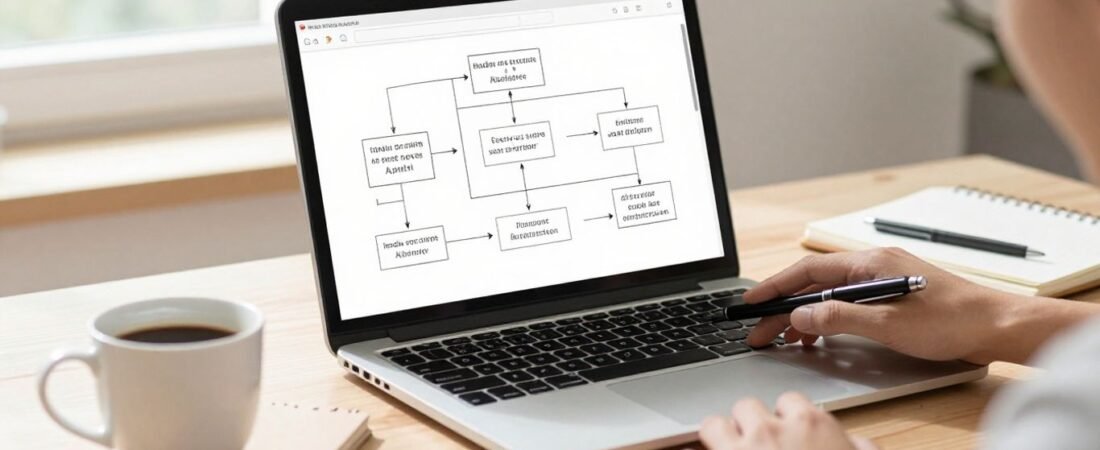
Starting affiliate marketing can feel like a lot, right? Especially when you’re just beginning. This guide is all about a solid first 30 days affiliate marketing plan, broken down into simple steps. We’ll cover the basics you need to get going without getting too bogged down. Think of this as your roadmap to making your first steps in the affiliate world. We’re not aiming for overnight riches here, just a clear path forward.
Key Takeaways
- Choosing the right niche is the first big step in your first 30 days affiliate marketing plan.
- You’ll need to find affiliate programs that match your chosen niche and audience.
- Setting up a basic website or platform is necessary to share your affiliate links.
- Having a plan for how you’ll get people to see your content is important.
- Understanding what tools you need early on will save you time and confusion.
1. Niche Selection
Alright, let’s talk about picking your niche. This is probably the most important step you’ll take when you’re starting out in affiliate marketing, so don’t rush it. Think of it like choosing the foundation for a house; if it’s shaky, the whole thing can fall apart later.
What’s a niche, anyway? It’s basically a specific topic or area you’re going to focus on. Instead of trying to sell everything to everyone, you narrow it down. This helps you become an authority in that area and attract people who are genuinely interested in what you have to say.
So, how do you actually pick one? Here are a few things to consider:
- Your Interests: What do you actually enjoy talking about or learning about? If you’re passionate about something, it’ll show, and you’ll be more likely to stick with it when things get tough. Trying to fake enthusiasm for something you hate is a fast track to burnout.
- Profitability: Is there money to be made in this niche? Are people already buying products or services related to it? You can do some basic research on affiliate networks to see what kinds of products are available and how much they pay.
- Audience Size & Competition: You want a niche that has enough people interested, but not so much competition that you can’t get noticed. It’s a balancing act. Sometimes a smaller, more specific niche can be easier to dominate than a huge, broad one.
Here’s a quick look at some popular areas, but remember, the best niche is one that fits you:
| Niche Category | Example Sub-Niches |
|---|---|
| Health & Fitness | Keto diets, yoga for beginners, home workouts |
| Personal Finance | Budgeting apps, investing for young adults, saving money |
| Hobbies | Gardening tools, drone photography, board games |
| Technology | Smart home devices, budget laptops, gaming accessories |
Choosing a niche isn’t just about picking something popular; it’s about finding that sweet spot where your interests, what people are willing to pay for, and the level of competition all align. It takes a bit of thought, but getting this right makes everything else so much easier.
Don’t overthink it to the point of paralysis. It’s okay to start with something and adjust later if needed. The goal is to get started and build momentum. You can always pivot or expand once you’ve learned more about affiliate marketing and your audience. For more on getting started, check out this affiliate marketing roadmap 2026.
2. Affiliate Programs
Alright, so you’ve picked your niche, which is awesome. Now, let’s talk about how you’re actually going to make money from it: affiliate programs. These are basically partnerships where you promote other companies’ products or services, and when someone buys through your unique link, you get a commission. It’s a pretty sweet deal if you find the right fit.
There are tons of affiliate programs out there, and they fall into a few main categories. You’ve got:
- Networks: These are like marketplaces that host thousands of programs from different companies. Think of Amazon Associates, ShareASale, or CJ Affiliate. They make it easy to find and manage multiple programs all in one place.
- In-House Programs: Some companies run their own affiliate programs directly. You’ll usually find links to these on their websites, often in the footer under "Affiliates" or "Partners".
- High-Ticket vs. Low-Ticket: High-ticket programs offer bigger commissions per sale, but usually, fewer sales happen (think expensive software or courses). Low-ticket programs have smaller commissions but sell more easily (like everyday products).
Choosing the right program is super important for your success. You want to promote products that genuinely align with your niche and that you can actually see yourself recommending to people. It’s no good pushing something you don’t believe in, right?
Here’s a quick look at some popular types of programs:
| Program Type | Example Products/Services | Typical Commission Range | Ease of Sale |
|---|---|---|---|
| E-commerce | Physical goods | 1-10% | Medium |
| Software (SaaS) | Subscriptions, tools | 10-50% (often recurring) | Medium-Hard |
| Digital Products | Courses, ebooks, templates | 20-70% | Medium |
| Services | Coaching, consulting | Varies widely | Varies |
When you’re starting out, it can be tempting to join every program you find. But honestly, it’s better to focus. Pick a few that really fit your audience. For example, if you’re in the fitness niche, you might look for programs related to workout gear, supplements, or online fitness coaching. If you’re building a website, you might partner with a website builder company.
Remember, the goal isn’t just to slap links everywhere. It’s about building trust with your audience and recommending solutions that actually help them. When you do that, the commissions tend to follow naturally. Think long-term value, not just quick cash.
Don’t forget to check the terms and conditions for each program. Some have specific rules about how you can promote their products, and you don’t want to get kicked out for breaking them. It’s all part of building a sustainable affiliate marketing business.
3. Website Builder
Alright, so you’ve picked your niche and figured out which affiliate programs make sense. Now, it’s time to actually build the place where you’ll share your stuff. This is your online home, your affiliate marketing headquarters. You need a website builder that’s not going to make you want to pull your hair out.
For beginners, WordPress is usually the way to go. It’s super flexible and there are tons of resources out there if you get stuck. You can start with a free version, but honestly, getting your own domain name and hosting is way better for looking professional. Think of it like this: you wouldn’t open a physical store in a rented garage, right? You want a proper storefront.
When picking a builder, think about ease of use. Do you want to drag and drop things around, or are you okay with a bit more of a learning curve? Some platforms are really simple, like Wix or Squarespace, but they can be more limiting down the road. WordPress, on the other hand, has a steeper initial climb, but it opens up a lot more possibilities. It’s a trade-off between quick setup and long-term flexibility.
Here are a few things to consider:
- Ease of Use: How intuitive is the interface? Can you figure it out without a manual?
- Customization: Can you make it look exactly how you want, or are you stuck with templates?
- Scalability: Will it grow with your business, or will you outgrow it quickly?
- Cost: What’s the monthly or yearly fee? Are there hidden costs?
Your website is your primary asset in affiliate marketing. It’s where you build trust and provide value to your audience. Don’t rush this step. Take some time to explore different options and see what feels right for you. Many beginners start with a platform like WordPress because it’s so widely supported and offers a solid foundation for growth. You can find great resources on how to build your first affiliate website to get started.
4. Hosting Provider

Alright, so you’ve picked your niche and figured out which affiliate programs you’re going to join. Now, where is your website going to live? That’s where a hosting provider comes in. Think of it like renting space on the internet for your digital home. You need a reliable place that’s always online and loads fast for your visitors.
Choosing the right hosting is more important than you might think. A slow website will frustrate people, and they’ll just leave before they even see your amazing content or affiliate offers. Plus, search engines like Google don’t like slow sites either, so it can hurt your rankings.
Here are a few things to look for:
- Uptime: This is how often the server is actually running and accessible. You want this to be as close to 100% as possible. Most good hosts offer 99.9% uptime or better.
- Speed: How quickly your website loads. This is huge for user experience and SEO. Look for hosts that use SSD storage and have good server infrastructure.
- Support: When things go wrong (and they sometimes do), you want to be able to get help quickly. Look for providers with 24/7 support, ideally via live chat or phone.
- Scalability: As your site grows, you might need more resources. A good host will allow you to easily upgrade your plan without a lot of hassle.
For beginners, shared hosting is usually the most affordable way to start. You’re sharing server resources with other websites, which keeps costs down. As your traffic increases, you can then look at upgrading to a VPS or dedicated server.
Don’t get too caught up in the super cheap options that seem too good to be true. Often, they come with hidden costs, poor performance, or terrible support. It’s better to pay a little more for a reputable provider that will actually help your business succeed.
Some popular choices for affiliate marketers include Bluehost, SiteGround, and Hostinger. Do a little research on their plans and see which one fits your budget and needs best. Getting your website set up on a good hosting provider is a solid step forward.
5. Email Software
Alright, so you’ve got your niche, you’ve picked some affiliate programs, and maybe you’ve even got a basic website up. Now, let’s talk about something super important for the long haul: email software. Think of this as your direct line to the people who are interested in what you’re sharing. It’s not just about sending out newsletters; it’s about building a relationship.
Building an email list is one of the most powerful assets you can create in affiliate marketing. Why? Because you own that list. Social media platforms can change their rules, websites can go down, but your email list is yours. It’s how you can consistently reach out, offer more value, and, yes, make more affiliate sales over time. It takes patience, though; you won’t see huge numbers overnight. Building a solid foundation with consistent effort over months is key to seeing sustainable income [5ac7].
When you’re starting out, you don’t need the most expensive, feature-packed software. You need something reliable that lets you:
- Collect email addresses from your website visitors.
- Send out emails to your list.
- Automate a few basic emails, like a welcome message.
Here’s a quick look at what to consider:
| Feature | Basic Plan Example | Advanced Plan Example |
|---|---|---|
| Email Sending | 1,000 contacts | 10,000+ contacts |
| Automation | Welcome email only | Drip campaigns, triggers |
| Landing Pages | Limited | More templates, custom |
| Support | Chat, Phone | |
| Pricing (Monthly) | $10 – $20 | $50 – $100+ |
Many platforms offer free plans to get you started, which is perfect for beginners. You can always upgrade as your list grows. Some popular choices that are often recommended for affiliate marketers include MailerLite, Brevo, and Moosend, each with its own strengths and weaknesses [8419]. It’s worth checking out a comparison to see which fits your budget and needs best.
Don’t get bogged down trying to pick the ‘perfect’ email software right away. The most important thing is to start collecting emails. You can always switch later if you outgrow your initial choice. Focus on getting people onto your list first.
6. Keyword Tool
Alright, so you’ve picked your niche and figured out which affiliate programs make sense. Now, how do you actually get people to find your stuff? That’s where keyword research comes in. Think of keywords as the search terms people type into Google when they’re looking for something. Your job is to figure out what those terms are and then create content around them.
Finding the right keywords is like finding the treasure map for your affiliate business. Without it, you’re just wandering around hoping someone stumbles upon you. We need a more strategic approach.
Here’s a quick breakdown of why keywords matter and how to start:
- Understand Search Intent: What is someone really looking for when they type a phrase into Google? Are they just curious, or are they ready to buy?
- Find Low-Competition Terms: As a beginner, you don’t want to go head-to-head with huge websites. Look for phrases that aren’t too crowded.
- Map Keywords to Content: Each keyword or group of related keywords should ideally become a piece of content on your site – like a blog post or a review.
There are a bunch of tools out there to help with this. Some are free, some cost money. For beginners, starting with a free tool can be a good way to get a feel for it. You’ll want to look for tools that show you:
- Search Volume: How many people search for this term each month?
- Keyword Difficulty: How hard is it to rank for this term?
- Related Keywords: What other terms are people searching for?
One popular option for building out your content strategy is using tools that help you organize your ideas, like ClickFunnels. It’s not just for building sales pages; it can help you brainstorm and structure your content around the keywords you find.
Don’t get bogged down trying to find the perfect keyword right away. The goal is to start finding terms that your target audience is actually searching for and create helpful content around them. You’ll get better at this with practice.
Remember, the whole point of affiliate marketing is to help people solve problems or achieve goals. Your keyword research should guide you in creating content that does just that. This is how you build trust and eventually make sales. It’s a marathon, not a sprint, and consistent effort over time is key to seeing results, often taking months to build momentum [2b31].
For finding keywords, you might start with something like Google Keyword Planner (it’s free with a Google Ads account, though you don’t need to run ads) or explore other dedicated tools as you grow.
7. Lead Magnet
Okay, so you’ve picked your niche and figured out some affiliate programs. Now, how do you actually get people interested in what you’re promoting? That’s where a lead magnet comes in. Think of it as a freebie, a little something you give away in exchange for someone’s email address. It’s not just about collecting emails, though; it’s about offering something genuinely useful that relates to your niche.
The goal is to attract your ideal audience and give them a taste of the value you provide.
What kind of freebie should you create? It really depends on your niche. Here are a few ideas:
- Checklist: Super simple and effective. For example, a "10-Point Checklist for Choosing Your First Affiliate Niche."
- Short Ebook or Guide: A bit more in-depth, maybe covering a specific problem your audience faces. Like a "Beginner’s Guide to Setting Up Your First Affiliate Website."
- Template: If you’re in a niche where people need tools, a template can be gold. Think a "Social Media Content Calendar Template for Affiliate Marketers."
- Mini-Course: A short email series that teaches a specific skill or concept.
Creating a lead magnet doesn’t have to be a huge production. You can use simple tools to design PDFs or set up email sequences. The key is that it solves a small problem for your audience and positions you as someone who knows their stuff. This is how you start building that email list, which is super important for long-term success. You can even use tools like ClickFunnels to help build out landing pages for your lead magnet.
Remember, your lead magnet is the first real interaction many people will have with your brand. Make it count by being helpful and relevant.
8. Content Calendar
Alright, so you’ve picked your niche, found some affiliate programs, and maybe even got a website up. Now what? You need a plan for what you’re actually going to put on that website. That’s where a content calendar comes in. Think of it as your roadmap for what to publish and when. Without a calendar, it’s easy to get lost and just post randomly, which rarely works.
Creating a content calendar doesn’t have to be complicated. You can use a simple spreadsheet, a notebook, or even a dedicated tool. The main goal is to organize your ideas and schedule your content production. This helps you stay consistent, which is super important in affiliate marketing.
Here’s a basic structure you can follow:
- Week 1: Foundational Content
- Write your first few blog posts covering core topics in your niche. These should be helpful and answer common questions. Think about keywords like "how to start affiliate marketing in 2026" or "affiliate marketing step by step for beginners".
- Plan out 2-3 more posts for the following week.
- Week 2: Product Reviews/Comparisons
- Start reviewing products you’re promoting. Be honest and focus on how they help your audience. If you’re promoting tools, compare a couple of options. This is where you can naturally include affiliate links.
- Develop a lead magnet if you haven’t already. This could be a checklist, a short guide, or a template.
- Week 3: Deeper Dive/Problem Solving
- Create content that addresses more specific problems your audience faces. This shows you really understand their needs.
- Start promoting your lead magnet to build your email list.
- Week 4: Traffic & Engagement
- Focus on promoting your content. Where are you getting traffic from? If it’s SEO, keep publishing those helpful articles. If you’re trying paid ads, analyze what’s working.
- Plan content for the next month, looking at what performed well this month.
Here’s a quick look at what a week might involve:
| Day | Content Type | Topic Idea | Status |
|---|---|---|---|
| Monday | Blog Post | "Best Affiliate Programs for Beginners" | Drafted |
| Wednesday | Social Media Post | Share a tip related to the blog post | Scheduled |
| Friday | Email Newsletter | Recap of the week’s content, promote lead magnet | To Write |
Consistency is key. It’s better to publish one good piece of content every week than to publish five pieces one week and then nothing for a month. Your audience needs to know they can rely on you for regular information.
Remember, this is just a starting point. As you get more data on what your audience likes and what drives traffic, you can adjust your calendar. The goal is to have a clear plan so you’re always moving forward, not just guessing. You can find more details on how to create an effective content calendar here.
It’s also important to remember that while affiliate marketing can be rewarding, results aren’t guaranteed. Things like the MillionairePartnerSystem offer guidance, but your own effort plays a huge role. Don’t get discouraged if you don’t see massive results immediately; stick to your plan.
9. Traffic Strategy
Okay, so you’ve got your niche, your affiliate programs lined up, and your website is looking sharp. Now, how do you get people to actually see it? This is where traffic strategy comes in. It’s not enough to just build a great site; you need eyeballs on it.
The goal is to attract people who are actually interested in what you’re promoting. Think of it like opening a shop – you wouldn’t open it on a deserted street, right? You want to be where the customers are.
There are a few main ways to get traffic, and for beginners, it’s usually best to focus on a couple.
- Search Engine Optimization (SEO): This is about making your website friendly to search engines like Google. When people search for something related to your niche, you want your site to show up. This takes time, but it’s like building a steady stream of visitors that doesn’t cost you money per click. It involves things like using the right keywords in your content and making sure your site loads fast. Building topical authority in affiliate marketing is key here.
- Social Media Marketing: Picking the right platform where your target audience hangs out is important. Are they on Pinterest, Instagram, TikTok, or Facebook? You’ll need to create content that fits that platform and encourages people to check out your site.
- Paid Advertising: This is where you pay for traffic, like Google Ads or Facebook Ads. It can get you visitors fast, but you need to be careful with your budget. It’s easy to spend a lot of money without seeing results if you don’t know what you’re doing. For beginners, it’s often better to start with free or low-cost methods first.
Here’s a quick look at how you might start:
- Focus on SEO first: Spend time researching keywords and creating helpful content. This is a long-term play, but it’s super effective. Aim to rank blog posts by providing in-depth, valuable content.
- Choose one social platform: Don’t try to be everywhere at once. Pick one platform that makes sense for your niche and audience and get good at it.
- Consider paid ads later: Once you have some income coming in from SEO and social media, you can experiment with paid ads to speed things up.
Getting traffic isn’t just about numbers; it’s about getting the right numbers. You want people who are likely to click your affiliate links and make a purchase. This means understanding who your audience is and where they spend their time online. Don’t chase every shiny object; stick to a plan and be consistent.
Remember, affiliate marketing is a real business requiring strategy and dedication, not a get-rich-quick scheme. For full-time workers, seeing significant commissions may take 3-6 months, with substantial income taking a year or more. Building a foundation with a simple WordPress website and consistent content is crucial. Focus on SEO, including keyword research and on-page optimization, to drive traffic to your affiliate offers. Ranking blog posts by providing in-depth, valuable content is key to attracting consistent, free traffic.
10. Tracking Pixel
Alright, let’s talk about tracking pixels. This might sound a bit technical, but it’s actually super important for understanding what’s working with your affiliate marketing efforts. Think of a tracking pixel as a tiny piece of code you put on your website. Its main job is to record when someone takes a specific action after clicking one of your affiliate links.
This helps you see which of your marketing activities are actually leading to sales or desired outcomes. Without it, you’re kind of flying blind, not knowing if your efforts are paying off.
Here’s a breakdown of why they matter:
- Understanding Your Audience: Pixels help you gather data on user behavior. This means you can learn more about who is visiting your site and what they’re interested in.
- Measuring Campaign Performance: You can see which traffic sources, ads, or content pieces are driving the most valuable actions. This lets you focus your energy where it counts.
- Retargeting: This is a big one. If someone visits your site but doesn’t buy, a tracking pixel can help you show them ads later on other platforms, reminding them of what you offer. It’s like a gentle nudge.
Setting up a tracking pixel usually involves adding a snippet of code to your website. Many website builders and analytics platforms make this process pretty straightforward. For instance, if you’re using Google Analytics, you’ll be setting up their tracking code, which serves a similar purpose. You can also use pixels from ad platforms like Facebook or Google Ads to track conversions from your paid campaigns. It’s all about getting a clearer picture of your affiliate marketing funnel.
Don’t get bogged down in the super technical details at first. The key is to understand that these pixels provide data. Data helps you make smarter decisions about where to spend your time and money to grow your affiliate income. Start simple, and you can always learn more advanced tracking methods later on.
Wrapping Up Your First 30 Days
So, you’ve made it through the first 30 days. That’s a big deal! Remember, this journey isn’t about getting rich overnight; it’s about building something real, step by step. You’ve learned the basics, picked a niche, and maybe even set up your first piece of content. Keep showing up, keep learning, and don’t get discouraged by the slow start. Consistency is your best friend here. Trust the process, stay disciplined, and you’ll start seeing progress. You’ve got this.
Frequently Asked Questions
What is affiliate marketing, really?
Affiliate marketing is like being a helpful friend who tells others about cool stuff they might like. When you recommend a product or service and someone buys it through your special link, you get a small thank you payment. It’s a way to earn money by sharing things you believe in.
Do I need a lot of money to start?
Nope! You can actually start affiliate marketing with very little money, sometimes even none. Many tools and platforms have free options to begin with. The key is to be smart with your time and effort, not necessarily your wallet.
How long does it take to make money?
It’s not a get-rich-quick thing. Think of it like planting a garden. It takes time and consistent care before you see the fruits of your labor. Some people see results in a few weeks, while for others it might take a few months. Patience and steady work are super important.
What’s a ‘niche’ and why is it important?
A ‘niche’ is just a specific topic or area you want to focus on, like ‘healthy dog treats’ or ‘budget travel tips.’ Picking a niche you’re interested in helps you create content that people actually want to read and makes it easier to find products to recommend.
What kind of content should I create?
You can create all sorts of content! Think blog posts with helpful tips, honest product reviews, comparison guides, or even simple videos. The goal is to help your audience solve a problem or make a decision, and naturally include your recommendations.
How do I get people to see my recommendations?
You need to attract visitors, which is called ‘traffic.’ This can be done through search engines like Google (SEO), social media, or even by building an email list. The more people you can help with your content, the more likely they are to check out your recommendations.