

Starting affiliate marketing can feel like a lot, right? You see people making money online and think, ‘How do they do that?’ Well, it’s not magic. There’s a path, a kind of blueprint, that can guide you. This guide is for absolute beginners, the ones who are just dipping their toes in. We’ll break down the affiliate marketing blueprint for beginners into simple steps. No fancy jargon, just real talk about what works and what doesn’t. Let’s figure this out together.
Key Takeaways
- Understand the basic steps of affiliate marketing, from choosing a niche to making your first sale.
- Learn how to pick a profitable niche and find the best affiliate programs for newcomers.
- Discover strategies for building your affiliate website and creating a sales funnel.
- Identify the tools you’ll need and how to use them effectively for your affiliate business.
- Develop the right mindset, including patience and persistence, to achieve long-term success in affiliate marketing.
Understanding The Affiliate Marketing Blueprint For Beginners
So, you’re looking to get into affiliate marketing, huh? It sounds like a lot, but really, it’s just about recommending products you like and getting a commission when someone buys through your link. Think of it like telling your friends about that amazing pizza place you found – but online, and you get paid for it. This guide is your blueprint, a step-by-step plan to get you started without all the confusion.
Affiliate Marketing Step By Step For Beginners
Getting started doesn’t have to be complicated. We’ll break down the whole process into manageable steps. It’s not about getting rich overnight; it’s about building something real.
- Choose Your Niche: What topics are you actually interested in? What problems can you help people solve?
- Find Affiliate Programs: Look for companies that offer products or services related to your niche.
- Build Your Platform: This could be a simple website, a blog, or even just a social media profile.
- Create Content: Share helpful information, reviews, or tutorials related to the products.
- Promote Your Links: Naturally weave your affiliate links into your content.
- Track and Adjust: See what’s working and do more of that.
Choosing A Profitable Affiliate Niche
This is a big one. Picking the right niche means you’ll actually enjoy the work and have a better shot at making money. You want something that has enough people interested, but isn’t so crowded that you can’t get noticed. Think about your hobbies, your job, or even problems you’ve solved for yourself. What do you know a lot about? What do people ask you for advice on?
Don’t just chase trends. Pick something you can stick with long-term. Authenticity matters, and people can tell when you’re just in it for the money.
Realistic Timeline For Your First Affiliate Sale
Let’s be real here. Most people don’t make their first sale the next day. It takes time to build trust and an audience. For many beginners, seeing that first commission can take anywhere from a few weeks to a few months. It really depends on how much effort you put in and how smart you work. If you’re consistent and follow a solid plan, like the One Funnel Away Challenge, you’ll speed things up.
Here’s a rough idea:
- Month 1-2: Focus on setting up your platform, choosing products, and creating initial content. You might not see many clicks, let alone sales.
- Month 3-6: You should start seeing more traffic and some clicks on your links. Your first few sales are likely to happen here.
- Month 6+: With consistent effort, you’ll build momentum, get more sales, and start understanding what works best for your audience.
Affiliate Marketing Myths Versus Reality
There are a lot of wild claims out there about affiliate marketing. Let’s clear some of that up.
- Myth: You can get rich quick with no effort.
Reality: It takes consistent work, learning, and patience. There’s no magic button. - Myth: You need a huge audience or lots of followers to start.
Reality: You can start with a small, targeted audience. Quality over quantity is key. - Myth: You need to be an expert in everything you promote.
Reality: You need to be knowledgeable enough to be helpful and honest. Focus on providing value and sharing your genuine experience.
Building Your Affiliate Marketing Foundation
Alright, so you’ve got the blueprint idea, and you’re ready to actually start building something. This section is all about getting your feet wet and setting up the basics so you can begin your affiliate marketing journey. It’s not about fancy tricks; it’s about putting the right pieces in place.
How To Start Affiliate Marketing Today
Starting affiliate marketing today means taking action, even if it’s small. Forget waiting for the ‘perfect’ moment. The first step is usually picking a topic you’re interested in, or one where you see people having problems you can help solve. Then, you need to find products or services related to that topic that you can recommend. Think about what you already use or what you’d genuinely suggest to a friend. The key is to start simple and build from there.
Here’s a quick rundown:
- Choose Your Niche: What are you interested in? What problems can you solve?
- Find Affiliate Programs: Look for companies that offer affiliate programs in your niche.
- Pick a Platform: Decide where you’ll share your recommendations – a blog, a simple website, or even just a social media profile if that’s your thing.
- Create Content: Start writing or making videos about your niche and the products.
- Add Links: Integrate your affiliate links naturally into your content.
Starting today means accepting that your first efforts won’t be perfect. It’s about learning by doing and getting that initial momentum going. Don’t get stuck in analysis paralysis.
Best Affiliate Programs For Newcomers
When you’re just starting, you don’t want to get bogged down with complicated programs. You need something straightforward that pays reasonably well and has products people actually want. Some programs are great for beginners because they have a wide range of products and are well-known.
- Amazon Associates: This is a classic for a reason. They have almost everything, so it’s easy to find products for any niche. Commissions aren’t the highest, but the conversion rates are usually good because people trust Amazon.
- ShareASale: This platform hosts tons of different merchants, from small businesses to larger brands. It gives you a lot of variety and can be a good place to find programs with better commission rates than Amazon.
- ClickBank: Known for digital products, ClickBank often has higher commission percentages. It’s worth checking out if your niche leans towards online courses, software, or e-books. Just be sure to vet the products carefully.
Building Your First Affiliate Website
Your website is your home base online. It’s where you control the experience and build trust with your audience. For beginners, the goal is to get something functional up and running without breaking the bank or getting lost in technical details. A simple blog format is often the best place to start.
- Get a Domain Name and Hosting: Pick a name that fits your niche and get reliable web hosting. Many hosting providers offer easy WordPress installation.
- Install WordPress: It’s a free, user-friendly platform that’s perfect for blogging and affiliate marketing.
- Choose a Theme: Select a clean, professional-looking theme that’s easy to read on all devices.
- Create Core Pages: You’ll need an ‘About Me’ page, a ‘Contact’ page, and a ‘Privacy Policy’ page.
- Start Publishing Content: Write helpful articles, guides, or reviews related to your niche.
Affiliate Marketing Without Social Media
Some people think you have to be all over social media to succeed in affiliate marketing. That’s not true. While social media can be a powerful tool, you can absolutely build a successful affiliate business without it. Focusing on platforms you control, like a website or an email list, is often more stable long-term. You can drive traffic to your website through search engines (SEO), paid ads, or even by guest posting on other blogs. This way, you’re not dependent on ever-changing social media algorithms. Building an email list is particularly effective, as it allows you to communicate directly with your audience whenever you want. This direct line of communication is invaluable for building relationships and making sales. You can learn more about how affiliate marketing works by checking out resources on affiliate marketing.
Crafting Your Affiliate Marketing Funnel Strategy
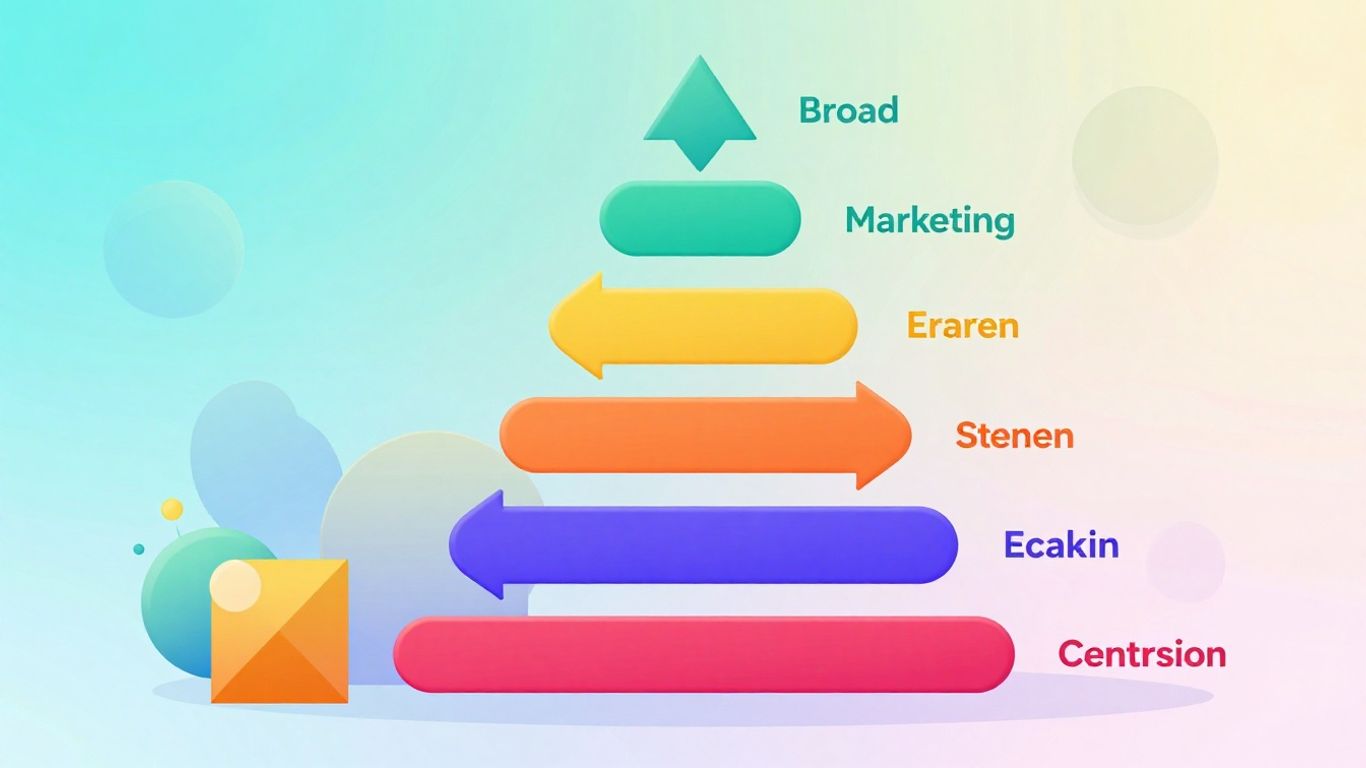
Alright, so you’ve picked your niche and found some good products. Now what? You can’t just slap links everywhere and expect sales. That’s where the funnel comes in. Think of it as a path you guide people down, from just hearing about something to actually buying it.
Affiliate Marketing Funnel Structure Explained
A basic affiliate marketing funnel has a few key stages. It starts with getting people aware of a problem or a solution you can offer. Then, you build their interest, maybe by showing them how a product can help. Next, you want them to consider buying it, and finally, you guide them to the purchase.
Here’s a simple breakdown:
- Awareness: This is where people first discover you or the topic you’re talking about. Think blog posts, social media shares, or even ads.
- Interest: They’re curious now. They might sign up for an email list or download a free guide.
- Decision: They’re comparing options. This is where reviews and comparisons shine.
- Action: They’re ready to buy. Your affiliate link comes into play here.
The goal is to move people smoothly from one stage to the next. It’s not about tricking anyone; it’s about helping them find what they need.
Bridge Page Strategy For Affiliates
So, what’s a bridge page? It’s a page that sits between where someone clicks your link (like from an ad or a social post) and the actual offer page. It’s super important for affiliates. Why? Because it lets you talk directly to the person who just clicked, remind them why they were interested, and get them excited about the product before they even see the sales page.
This is a great spot to offer a lead magnet, like a checklist or a short guide, in exchange for their email address. This way, you capture leads and can follow up later. Building a good landing page for affiliate marketing is key here, focusing on what the visitor wants. You want to pique their curiosity so they’ll give you their email.
Affiliate Marketing Email Sequence Blueprint
Once you have someone’s email, you don’t want to just send them one offer and be done. An email sequence is a series of automated emails sent over time. It’s how you build a relationship and keep people engaged.
Here’s a simple sequence idea:
- Welcome Email: Thank them for signing up, deliver any promised freebie, and introduce yourself briefly. Set expectations for what kind of emails they’ll get.
- Value Email: Share helpful tips or information related to your niche. Don’t push a product yet, just provide value.
- Problem/Solution Email: Talk about a common problem your audience faces and hint at how a product can solve it.
- Product Review/Recommendation: Now you can introduce a specific product, share your honest thoughts, and include your affiliate link.
- Follow-up/Urgency: Remind them about the product, maybe share a testimonial, or mention any limited-time offers.
This approach helps build trust over time. You’re not just a salesperson; you’re a helpful resource.
Writing Affiliate Product Reviews That Convert
Writing reviews that actually get people to click your link and buy is an art. It’s not just about listing features. People want to know if a product will actually help them.
Here’s what works:
- Be Honest: Talk about the good and the bad. Nobody trusts a review that’s all sunshine and rainbows.
- Focus on Benefits: Instead of saying "It has X feature," say "Because of X feature, you can achieve Y result."
- Tell a Story: Share your own experience with the product. How did it help you?
- Address Objections: Think about what might stop someone from buying and address it directly.
- Clear Call to Action: Tell people exactly what to do next, like "Click here to check the latest price" or "Get it now from [Retailer Name]."
Ultimately, your reviews should help the reader make an informed decision. If they trust your review, they’re much more likely to use your link. Remember, building trust is key to long-term success in affiliate marketing, and a realistic timeline for seeing results is important [8c50]. Your content should feel like helpful guidance, not just an advertisement.
Essential Tools For Your Affiliate Marketing Stack
Alright, so you’re building your affiliate marketing thing, and you’re wondering what kind of gear you actually need. It can feel like a lot, right? Like you need all this fancy software to even get started. But honestly, you can begin with less than you think. The key is to pick tools that help you do the important stuff better and faster.
Best Affiliate Marketing Tools For Success
When you’re starting out, it’s easy to get lost in all the options. You don’t need everything at once. Focus on what moves the needle. Think about things that help you find good products, create content, and track what’s working. Some tools are great for research, others for writing, and some help you manage your affiliate accounts.
Here’s a quick rundown of categories and some popular choices:
- Website & Content: You’ll need a place to put your content. WordPress is a solid choice for most beginners. Then, tools like Grammarly help clean up your writing, and Hemingway App makes your sentences clearer. For SEO, Yoast SEO is a go-to plugin.
- Affiliate Networks: These are where you find products to promote. ShareASale is a big one with lots of offers. Others include CJ Affiliate and Rakuten Advertising.
- Research & Analysis: To see what people are searching for and what your competitors are doing, tools like SEMRush or Ahrefs are powerful, though they can be pricey. For a more budget-friendly start, Google Keyword Planner is free.
- Email Marketing: Building an email list is super important. Mailchimp, ConvertKit, or ActiveCampaign are popular options.
The right tools can seriously speed up your progress.
Affiliate Marketing Tech Stack Setup Guide
Setting up your tech stack doesn’t have to be complicated. Start with the basics and add as you grow. Think of it like building a house – you need a foundation before you worry about the fancy curtains.
- Website Platform: Get a domain name and hosting. Install WordPress. It’s pretty straightforward.
- Content Creation: Use a good text editor and a grammar checker. If you’re writing reviews, maybe a tool to check for plagiarism, like Duplichecker.
- Affiliate Network Accounts: Sign up for a couple of networks that fit your niche.
- Email Marketing Service: Set up an account and create a simple signup form for your website.
- Tracking: Initially, you can use the tracking provided by the affiliate networks. As you get more serious, you might look into dedicated tracking software.
It’s about creating a system that works for you. Don’t just copy someone else’s stack if it doesn’t make sense for your workflow. You can always adjust later. For instance, if you’re looking for a structured way to build an online business, there are programs that can guide you through the process, even using AI to help launch your business.
Choosing The Right Analytics And Tracking Software
Tracking is where you see what’s actually making you money. Without it, you’re just guessing. You need to know which links are getting clicked, which pages are performing well, and where your traffic is coming from.
- Basic Tracking: Most affiliate networks provide dashboards showing clicks and sales for your links. This is your starting point.
- Website Analytics: Google Analytics is free and gives you a ton of info about your website visitors – how they find you, what they do on your site, and how long they stay.
- Link Tracking: For more advanced tracking, especially if you’re using multiple networks or running ads, you might consider dedicated link tracking software. These tools can help you see which specific campaigns or keywords are driving sales.
- Conversion Tracking: This is about understanding the whole journey, not just the click. Did someone click your link, visit the merchant’s site, and then buy something later? Good tracking software can help connect those dots.
Understanding your numbers is non-negotiable. It tells you what’s working and what’s a waste of time. Don’t skip this part.
Leveraging AI Writing Tools For Affiliates
AI writing tools have gotten pretty good lately. They can help you brainstorm ideas, write outlines, and even draft sections of content. This can be a huge time-saver, especially when you’re trying to produce a lot of content quickly.
Think of them as assistants, not replacements. You still need to guide them, edit their output, and add your unique voice and perspective. They’re great for overcoming writer’s block or getting past that initial blank page. Tools like Jasper, Copy.ai, or even ChatGPT can be useful. Just remember to fact-check and ensure the AI’s output aligns with your brand voice and provides genuine value to your audience. You can find comparisons of these AI writing tools to help you choose.
Developing The Right Mindset For Affiliate Success

Starting affiliate marketing can feel like a big leap, and honestly, it’s easy to get tripped up by your own thoughts. You might look at successful affiliates and think, ‘How did they get there?’ or ‘I could never do that.’ That’s where the mindset part comes in. It’s not just about picking the right niche or tools; it’s about how you approach the whole thing.
Overcoming Imposter Syndrome In Affiliate Marketing
Ever feel like you’re just faking it until you make it, and everyone’s about to find out? That’s imposter syndrome. In affiliate marketing, this can stop you before you even start. You might hesitate to share your content or promote products because you don’t feel like a "real" expert. But here’s the thing: everyone starts somewhere. The key is to focus on helping your audience, not on being the ultimate guru. Share what you’re learning, be honest about your journey, and build trust. People connect with realness, not perfection.
Affiliate Marketing Discipline Versus Motivation
Motivation is great. It gets you excited to start. But motivation fades. Discipline is what keeps you going when you don’t feel like it. Think about it: some days you’ll be super pumped to write articles or create videos, and other days you’ll want to do anything but. Discipline means showing up anyway. It’s about having a routine and sticking to it, even on the tough days. Building a simple WordPress website and consistently adding content, for example, requires discipline more than fleeting motivation. This is how you build a sustainable foundation for your affiliate business [a5aa].
Building Confidence As An Affiliate Marketer
Confidence doesn’t just appear overnight. It grows with action and small wins. Every piece of content you publish, every bit of feedback you get, and every small sale you make builds that confidence. Don’t wait until you feel 100% confident to start promoting. Start small, learn from each step, and celebrate your progress. You have to put yourself out there to grow.
Affiliate Marketing Patience And Persistence Strategies
Affiliate marketing is not a get-rich-quick scheme. It takes time to build an audience, create content, and see results. Many people quit too soon because they expect instant success. Instead, focus on the long game. Set realistic goals and understand that it might take months, or even a year or more, to see significant income. Persistence means continuing to show up, learn, and adapt, even when the results aren’t immediate. It’s about the consistent effort over time that truly pays off.
Scaling Your Affiliate Marketing Income
So, you’ve gotten your first few sales, maybe even hit a decent monthly income. That’s awesome. But what’s next? You don’t want to stay stuck at that level forever, right? Scaling is where the real freedom comes in. It’s about building systems that work for you, so you’re not just trading time for money.
How To Scale Affiliate Marketing Income
Scaling isn’t just about doing more of the same. It’s about working smarter. Think about what’s working best right now. Is it a specific type of content? A particular traffic source? Focus your energy there. You can also look at expanding your offers. Instead of just promoting one product, can you promote a related service or a higher-ticket item?
Here are a few ways to start thinking about scaling:
- Diversify Traffic Sources: Don’t put all your eggs in one basket. If you’re relying heavily on SEO, explore paid ads or social media. If social media is your jam, see if you can build an email list to have a more direct line to your audience.
- Optimize Your Funnel: Look at your conversion rates. Where are people dropping off? Small tweaks to your landing pages, email sequences, or even your review articles can make a big difference.
- Outsource Tasks: What takes up too much of your time but doesn’t directly generate income? Things like content writing, social media posting, or even basic website maintenance can often be handed off to freelancers or virtual assistants.
- Build Relationships: Deeper partnerships with affiliate managers can sometimes lead to better commission rates or exclusive offers. This is about quality over quantity when it comes to your affiliate programs.
Affiliate Marketing 10k Per Month Strategy
Hitting $10k a month is a big goal, and it usually requires a more strategic approach than just basic promotion. It often involves a combination of high-ticket offers, recurring commissions, and a solid understanding of your audience’s needs. You’ll likely need to invest in tools that automate processes and provide better data. This is where building an authority site or a strong personal brand can really pay off, as people trust your recommendations more.
Reaching $10k per month is achievable, but it demands a shift from simply promoting products to building a sustainable business. This means focusing on audience value, consistent optimization, and smart reinvestment.
Affiliate Marketing Scaling Roadmap
Think of this as a general plan, not a rigid schedule. Your roadmap will depend on your niche, your audience, and your resources.
- Analyze Current Performance: What’s working? What’s not? Use your analytics to identify your strongest assets.
- Identify Bottlenecks: Where are you getting stuck? Is it traffic, conversions, or time?
- Test New Strategies: Experiment with different traffic sources, content formats, or offers. Don’t be afraid to try new things.
- Automate & Outsource: Start delegating tasks that drain your time and energy. Look into tools that can handle repetitive jobs.
- Reinvest Profits: Use some of your earnings to improve your website, invest in better tools, or run paid ad campaigns. This is how you fuel further growth.
Scaling takes time and consistent effort. It’s about building something that can grow beyond your direct involvement. Keep learning, keep testing, and don’t get discouraged by setbacks. You’ve got this. Scaling affiliate programs effectively is key to long-term success.
Wrapping It Up
So, that’s the basic rundown on getting started with affiliate marketing. It’s not some magic trick to get rich overnight, and honestly, it takes some real work. You’ve got to pick a niche you actually care about, build a simple website or platform, and start putting out content that helps people. Remember, consistency is key here. Don’t get discouraged if your first few sales don’t happen right away. Keep learning, keep trying new things, and most importantly, keep showing up. You have what it takes to build something here, one step at a time. Let’s go.
Frequently Asked Questions
What exactly is affiliate marketing?
Think of affiliate marketing like being a helpful friend who recommends something they really like. When someone buys that thing because of your recommendation, you get a small thank you payment. You’re basically helping people find products or services they might need, and companies pay you for sending customers their way.
Do I need a lot of money to start affiliate marketing?
Nope, you don’t need a ton of cash to begin. Many successful affiliate marketers start with just a free blog or social media account. The main things you need are time, effort, and a willingness to learn. You can definitely start without spending much, if anything at all.
How long will it take to make my first sale?
This is where patience comes in! It’s different for everyone. Some folks might see a sale in a few weeks, while for others it could take a few months. It really depends on how much effort you put in, the niche you choose, and how well you connect with your audience. There’s no magic switch, but consistent work pays off.
What’s the best way to choose what to promote?
It’s smart to pick things you’re genuinely interested in or know a lot about. This makes it easier and more fun to talk about them. Also, look for products that people actually need or want, and companies that have good affiliate programs. Your passion will shine through, and that helps a lot.
Can I do affiliate marketing without a website?
Absolutely! While a website can be super helpful, it’s not the only way. You can use social media platforms like YouTube, Instagram, or even Pinterest to share your recommendations. Some people also use email lists or online communities to connect with potential buyers.
What are the biggest mistakes beginners make?
A common slip-up is trying to promote too many things at once, which can confuse people. Another is not being patient and giving up too soon. Also, some beginners forget to be honest and helpful, just pushing products without real value. Focusing on building trust and providing real help is key.